
The Climate Trust describes itself as the country's longest-standing source of carbon funding for grassland conservation. Rather than paying for practice change, its grassland projects pay ranchers for avoided conversion: the landowner places a perpetual conservation easement on their grassland, agreeing never to till or convert it to cropland, while continuing to graze cattle and run daily operations exactly as before. Keeping the soil intact avoids the large carbon emissions that conversion would release, and those avoided emissions generate carbon offsets.
A nonprofit with over 30 years in carbon markets, The Climate Trust works directly with landowners from the first site visit: determining eligibility, recording the easement with a land trust, modeling emissions, developing and monitoring the project, managing third-party verification, and selling the resulting credits on the landowner's behalf, returning revenue on an ongoing basis. It helped write the Climate Action Reserve Grassland Protocol in 2015 and the American Carbon Registry's Avoided Conversion of Grasslands Methodology in 2013, transacted the first ACR grassland conservation offsets in 2014, and formed the first rancher carbon cooperatives in the country.
The Trust aims to open carbon markets to family-owned ranches that historically could not access them because of high technical barriers and smaller holdings. Carbon revenue also stabilizes ranch income in drought years: when herds shrink, carbon volumes and revenue increase.
Enterprises
Eligibility
-
Grassland at risk of conversion to cropland; the program's value rests on avoiding that conversion.
-
Willingness to record a perpetual conservation easement on the property, held by a qualified local land trust. Grazing and ranch operations must comply with the conservation easement terms and values.
-
The Climate Trust works with family-owned ranches and smaller holdings, including through rancher carbon cooperatives. A minimum acreage of 2,000 eligible acres is required.
-
Active grassland projects are located in Montana, Oregon, Colorado, and Kansas.
Details
Organization
Financial Instrument
Environmental Market
Contract Length
Permanent
Terms
Structure. The landowner grants a perpetual conservation easement restricting conversion of grassland to cropland. The carbon project itself runs on a 20-year agreement with The Climate Trust, during which the landowner provides annual monitoring data and allows periodic rangeland health assessments; the land trust holding the easement continues to monitor the property separately. The easement is permanent — unlike term contracts, this commitment binds the land in perpetuity, which is what makes the avoided emissions creditable.
Payment. The Climate Trust offers flexible payment models depending on the conservation easement's funding layout, letting landowners choose to receive money upfront or every two years following the verification cycle. Payments are made directly to landowners and are subject to current market prices.
Application Instructions
Contact The Climate Trust through the form on their site (climatetrust.org/who-we-are/contact) — the form asks specifically whether you are a landowner interested in earning revenue from the carbon market. The Trust then meets landowners on their land, determines carbon project eligibility, and works through a project feasibility assessment before developing the project with no out-of-pocket costs for the landowner.
Office: Portland, Oregon. Senior Grassland Carbon Analyst Kate Brow is the program-level contact.
Related Programs

Acequia and Community Ditch Fund (New Mexico)
New Mexico Department of Agriculture
- GrantWater ManagementConservationLegal & FinanceResearchNM
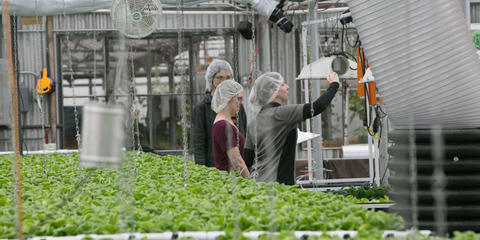
ACRE3 Agricultural Energy Efficiency
Colorado Department of Agriculture
- GrantCost ShareLoanAlternative EnergyConservationIrrigationStorageGreenhouseCOAny
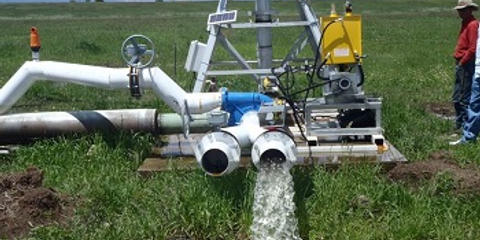
ACRE3 Irrigation Hydropower Programs
Colorado Department of Agriculture
- GrantCost ShareLoanHydro PowerAlternative EnergyIrrigationConservationWater ManagementEquipmentCOAny

ADM re:generations
ADM
- Environmental MarketCarbon CreditsCarbon CaptureSoil HealthCover CropsClimate-SmartNationalCornSoybeansWheatCanolaPeanuts
Updated October 13, 2026
Image Credit: Bernd Dittrich
Run this program? Email fundinglibrary@ambrook.com to request changes to this listing.
This information was gathered from public sources. Ambrook is not responsible for or able to affect the results of any financial programs listed, nor are they responsible for any incorrect information that is listed or is on the hyperlinked external sites. All information is subject to change.
Explore hundreds more programs on Ambrook.