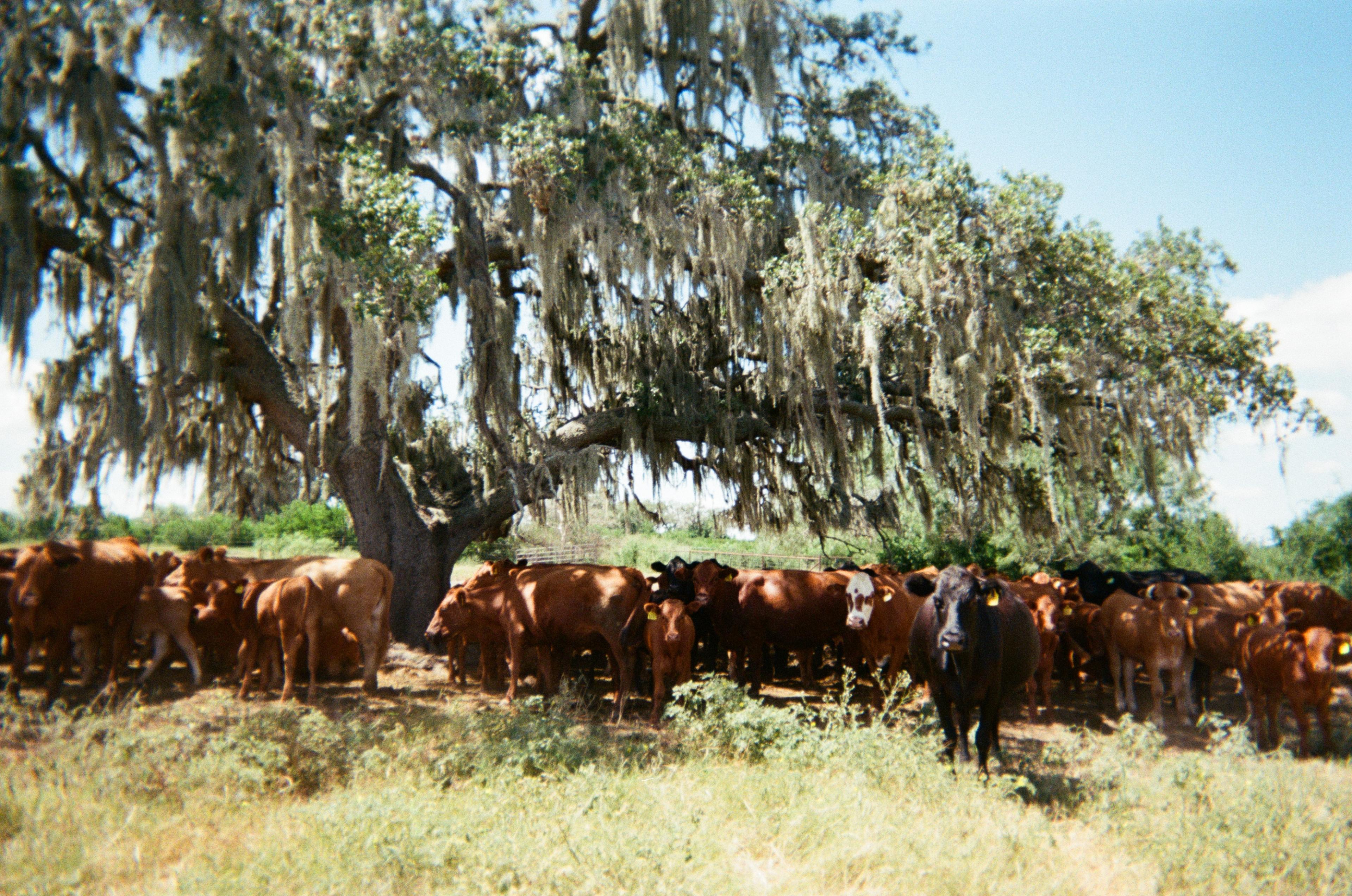
Tony Dunkerley teaches agricultural business management at Midwestern State University. After years of teaching self-built spreadsheets and QuickBooks, he started using Ambrook in his agriculture management course. This switch helped him introduce students to skills and tools they can take with them to real operations.
Meet Tony
When he first arrived in Wichita Falls, Texas, over 40 years ago, Tony Dunkerley was building a career as an agricultural science teacher at the largest high school in Clay County. His background was in ag, but he quickly found his niche working across multiple disciplines: He started to specialize in teaching bookkeeping for agriculture.
So in 2018, when the parent of a former student asked him to come to Midwestern State University (MSU) and help bring back its agribusiness program, the job was right up Tony’s alley. He’s been building the program at MSU’s Dillard College of Business Administration ever since.
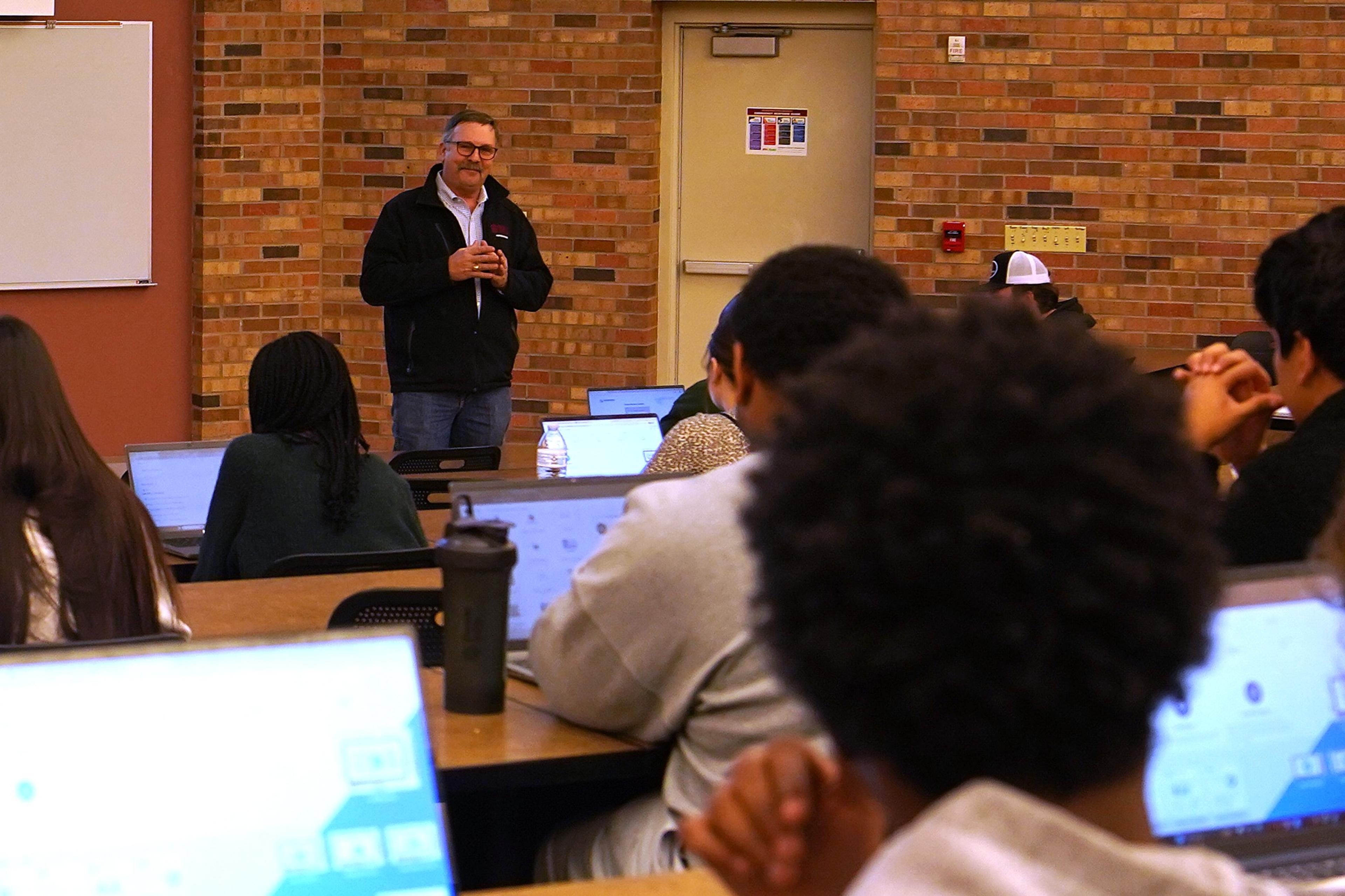
Tony teaches in the agribusiness program at MSU Texas.
The whole thesis of his teaching is to show students real financial management practices they can use right away at a family farm or another business. Because after decades of living in cow-calf country and consulting for large ranches, Tony knows how important it is to understand both running an operation and running its books. A student who learns to do both, he argues, has a practical skillset that stays valuable forever.
“If you can talk the language of agriculture, but you can also talk the language of business, there's always a place for you.”
The challenge: Teaching tools that weren’t built for the realities of agriculture
Every spring semester for years, Tony has taught a course called Intro to Agribusiness Management. He used to create many of his own course materials and tools, including spreadsheets to help students learn and apply financial management concepts.
The problem was, this cut too much into class time. "If you use a lot of spreadsheets, you have to spend time and teach spreadsheets," Tony said. Some students knew Excel, some were more familiar with Google Sheets, others preferred Apple products. That meant dealing with different learning curves before the class even got near a balance sheet.
Later, his dean asked him to incorporate more accounting into the class. Tony turned to QuickBooks, since some high schools in Texas already offer classes on the platform. But Tony always felt like QuickBooks didn’t fit his subject. “There wasn’t anything that dealt with agriculture,” he explained. “You can’t break things up into classes vs. enterprises.” Because of that mismatch, the platform wasn’t intuitive for the course and didn’t serve his students well.
There’s an important reason Tony cares so much about getting the tools and materials right. His class is a mix of students who were raised on farms or ranches, students who are starting their own businesses, and students who are majoring in business management. They will all use what they learn in this course beyond his classroom or a final exam, which means they need tools that are current and actually make sense for their industries.
"All our kids work, so the software we teach needs to be practical and straightforward."
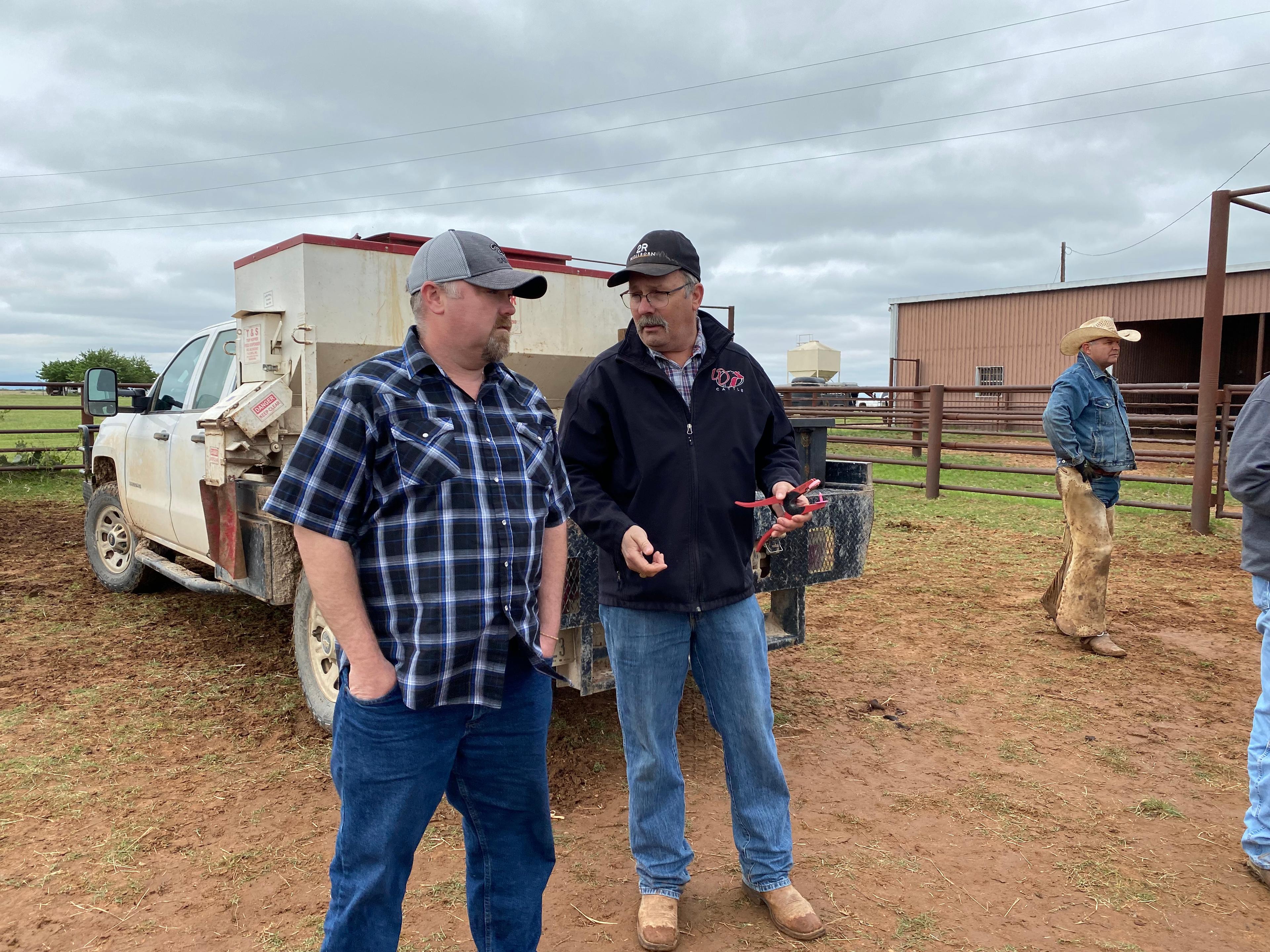
Besides teaching agribusiness courses, Tony consults for large ranches near Wichita Falls.
Making the switch to Ambrook
Tony first heard about Ambrook online. He kept seeing it pop up in his news feed on social media, then he listened to a podcast that featured a rancher from Ambrook’s own team. Eventually, he did some more research on the platform, got on the phone with Abby Gudgell from Ambrook’s Education Partnerships team, and liked that Ambrook was specifically built for agriculture.
"I wasn’t sure how I would use Ambrook, but I felt it would be easier for my students to learn than QuickBooks."
He started partnering with Abby, a rancher and former ag educator herself, to get him and his students access to Ambrook for the Spring 2026 course. Together, they also created custom datasets, recorded videos, and held live walkthroughs so students would have opportunities for hands-on learning and practice throughout the semester.
What changed: Intuitive to teach, intuitive to learn
At the start of his course, Tony worked with Abby to get each of his students set up with their own sample organization in Ambrook. “It’s an online platform,” he said, “and it was easier for kids to get on it than QuickBooks, as far as getting them set up."
He then trained students on the software by having them work through actual agribusiness workflows. They started the semester by importing bank transactions, classifying expenses, setting up a chart of accounts, and building out their assets in Ambrook. To check their understanding, Tony had students print out their balance sheets and compared them to his own. “If their balance sheet looked like mine, we’re in good shape.”
Dedicated support on the curriculum
Getting to collaborate with Abby on course materials was just as important to Tony as the platform itself. He remembered one week in the semester when he reached out to Abby for last minute support with Ambrook. She soon got the entire classroom scheduled on a video call and quickly showed them how to finish setting up their accounts live. "She walked everybody through and got them lined up within five or ten minutes."
Tony and Abby also worked on a custom set of sample transactions that students could import into Ambrook. They created two scenarios, a cattle operation and a trucking company, with revenue and expense data that resembled actual numbers students might come across in a similar real-life business. Then, in class, Tony taught students how to classify and tag all of the different sample transactions from their Ambrook ledger.
One thing Tony realized from this partnership was that having a second voice to explain concepts to his class was a teaching asset in its own right. For one lesson, Abby filmed a video to walk the class through a workflow in Ambrook, which gave students access to multiple ways of learning the same content.
"I think it helps to have two different people telling students something. You hear it from Abby one way, and then I could say it another way if they have problems. All kids learn differently."
Skills that transfer beyond the classroom
For Tony, the goal was never that students master a piece of software. It was that they left his class capable of running the finances of any business in the future. That could be a ranch, a row crop operation, a fencing business, a healthcare facility, or something else entirely.
While course materials were designed around agricultural scenarios, Tony helped students understand that Ambrook workflows like running profit and loss by enterprise could translate to many different situations. "If I'm doing two or three different side gigs, if I'm walking dogs or I'm washing cars, which ones make me the most money?"
He even encouraged students to use Ambrook as they started their own businesses. By partnering with Ambrook, Tony was also able to give the 20 students in his class ongoing access to the platform for a year after they finished the course. He knew one student in particular was graduating and planning to launch a waste removal operation with his brother, so Tony reminded him he could keep using Ambrook as he launched the business.
“You can delete everything out from class. Go ahead and start working on your own business.”
Looking forward: Expanding Ambrook to a permanent curriculum
After a successful first semester teaching Ambrook to students, Tony’s excited about how it’s helped him evolve Intro to Agribusiness Management:
5 scenario-based course materials created with Ambrook’s education team
20 students trained on Ambrook’s accounting platform
Scaling Ambrook from one pilot semester into a permanent curriculum
Recently, the university asked Tony to teach his intro course every semester in an online format. “Today's students, they want more online options,” he said. “A lot of our students are working, so they're going to want to fit class around their work schedule.” As he prepares for the next installment this fall, he’s started working with Ambrook’s team to develop materials for the brand new format.
He also has ideas for how to expand his use of Ambrook in future courses. One of his ambitions is to guide students through a full-year business scenario. They’ll manage the finances for a diversified operation with cattle, equipment purchases, asset depreciation, and a year-end close, working through the books week by week like a real business would.
Above all, Tony continues to focus on finding the best ways to teach his students lessons that will serve them even after they leave MSU. “With technology moving as fast as it is right now, we’ve got to learn stuff in the real world. That's where we're at.”