
North Carolina Beaver Management Assistance Program (BMAP)
The North Carolina Beaver Management Assistance Program (BMAP) is designed to help manage problems caused by beaver on private and public lands. The program's goal is to address specific beaver damage problems rather than to eliminate beaver from North Carolina.
BMAP is primarily implemented by USDA Wildlife Services through cooperative service agreements with the NC Wildlife Resources Commission (NCWRC), the NC Department of Transportation (NCDOT) and participating counties. The participation fee a county contributes allows landholders in that county to receive beaver and dam removal services at the reduced BMAP cost-share rate, as well as free technical assistance (guidance) from wildlife specialists. Technical assistance includes recommendations, advice, and hands-on training aimed at teaching interested landholders and others how best to alleviate problems caused by beaver.
BMAP specialists work to educate customers about a variety of beaver management options, including exclusion, pond levelers, and other nonlethal techniques. When deemed necessary, they will remove beavers and/or dams using humane and environmentally acceptable techniques. In NC fiscal year 2023-2024, BMAP services prevented the loss or repair costs of an estimated $20 million in roads, bridges, timber and other agricultural crops, railroad trestles, dams, sewer systems, water treatment facilities, landscaping, homes, airport runways, and golf courses.
Eligibility
-
Public (municipalities) and private (residents, businesses) landholders in participating counties may request BMAP services.
-
Landholders in a participating county are those who own/lease land or operate a business in that county, including publicly and privately-owned businesses, municipalities, county governments, soil and water conservation districts and others.
-
County participation is required before any direct beaver damage management assistance is provided to landholders under the BMAP. Counties can opt into BMAP each year by contributing $6,000.
-
Landholders in non-participating counties are ineligible to receive BMAP services, but may request assistance directly from USDA Wildlife Services and receive beaver management services at full cost.
Details
Organization
Financial Instrument
Cost Share
Terms
$25 per site visit; $150 per dam removed; free initial assessment; full cost after 15 site visits in a fiscal year.
Published amounts: Landholders pay the following cost-share fees for services: $25 per site visit; $150 per dam removed. Initial damage assessments are provided at no charge. Services average 10 site visits over a 30-day period to resolve the problem. After 15 visits to a specific landholder's property or properties in any given fiscal year, the landholder is required to pay full costs for any additional BMAP services.
Landholders who are willing to manage beavers themselves are provided individual training at no cost. Landholders requesting BMAP services that require beaver damage management work on adjacent lands are required to provide for payment of those services, and written permission from adjacent landholders is required. BMAP activities are guaranteed for 30 days following the completion of a project; if a problem recurs within the guarantee period, the project is reworked at no additional charge. Landholders are given 30 days following billing to pay their cost share.
Application Instructions
Landholders should make requests for assistance through their designated county BMAP liaison, listed in the Landowner Guide to BMAP Services or by clicking on your county in the interactive map on the BMAP page. If your county is not enrolled in BMAP, you may request assistance directly from USDA Wildlife Services at (866) 4USDA-WS and receive beaver management services at full cost.
Before assistance begins, the wildlife specialist makes an initial assessment with all relevant landholders to determine the extent of the problem caused by beaver, if any, and makes recommendations on the best course of action. The wildlife specialist offers to teach the landholder how to address the problem, including hands-on training on the landholder's property. If the landholder requests that the wildlife specialist conduct the work, the specialist estimates the time and cost share, and the landholder signs an agreement that includes the estimated costs, the type of activities to be conducted, and permission for wildlife specialists to work on the land.
Deadline text on the page: BMAP provides year-round, site-specific beaver damage management services to landholders. Requests for assistance are handled on a first-come, first-served basis; projects that address threats to public health and safety receive top priority. Administration of BMAP follows the state fiscal year (July 1 – June 30), and counties opt in each year.
Related Programs

480-a Enrollment Incentive Program
New York City Watershed Agricultural Council

ACRE3 Agricultural Energy Efficiency
Colorado Department of Agriculture
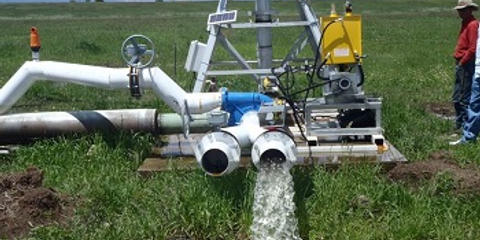
ACRE3 Irrigation Hydropower Programs
Colorado Department of Agriculture

Advancing U.S. Pork Sustainability and Market Value Grant
National Pork Board, U.S. Department of Agriculture
Updated November 21, 2026
Image Credit: Derek Otway
Run this program? Email fundinglibrary@ambrook.com to request changes to this listing.
This information was gathered from public sources. Ambrook is not responsible for or able to affect the results of any financial programs listed, nor are they responsible for any incorrect information that is listed or is on the hyperlinked external sites. All information is subject to change.
Explore hundreds more programs on Ambrook.