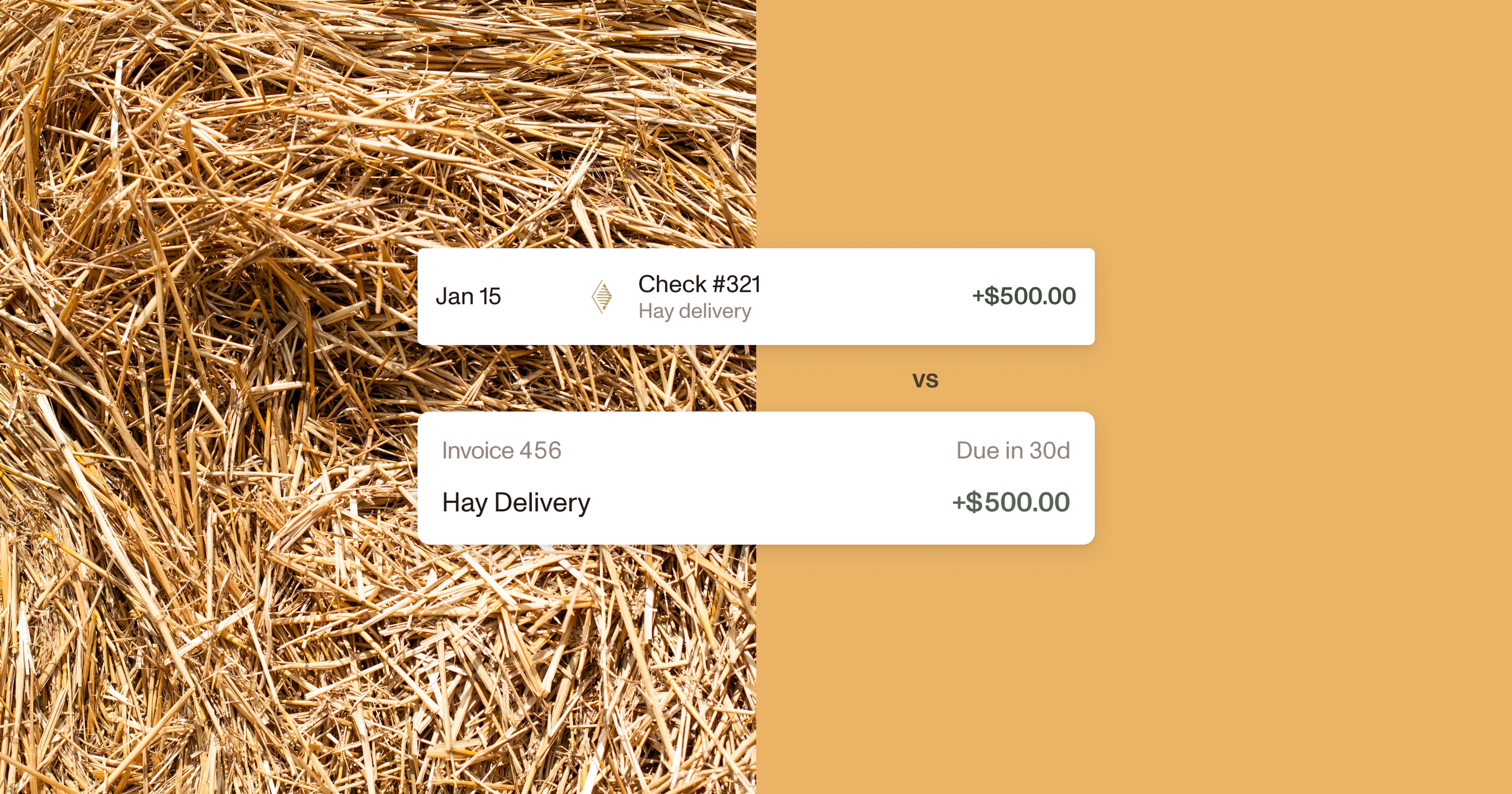
Liquid assets like cash, receivables and inventory–also known as current assets–are the lifeblood of your business, funding ongoing activities and keeping the business moving.
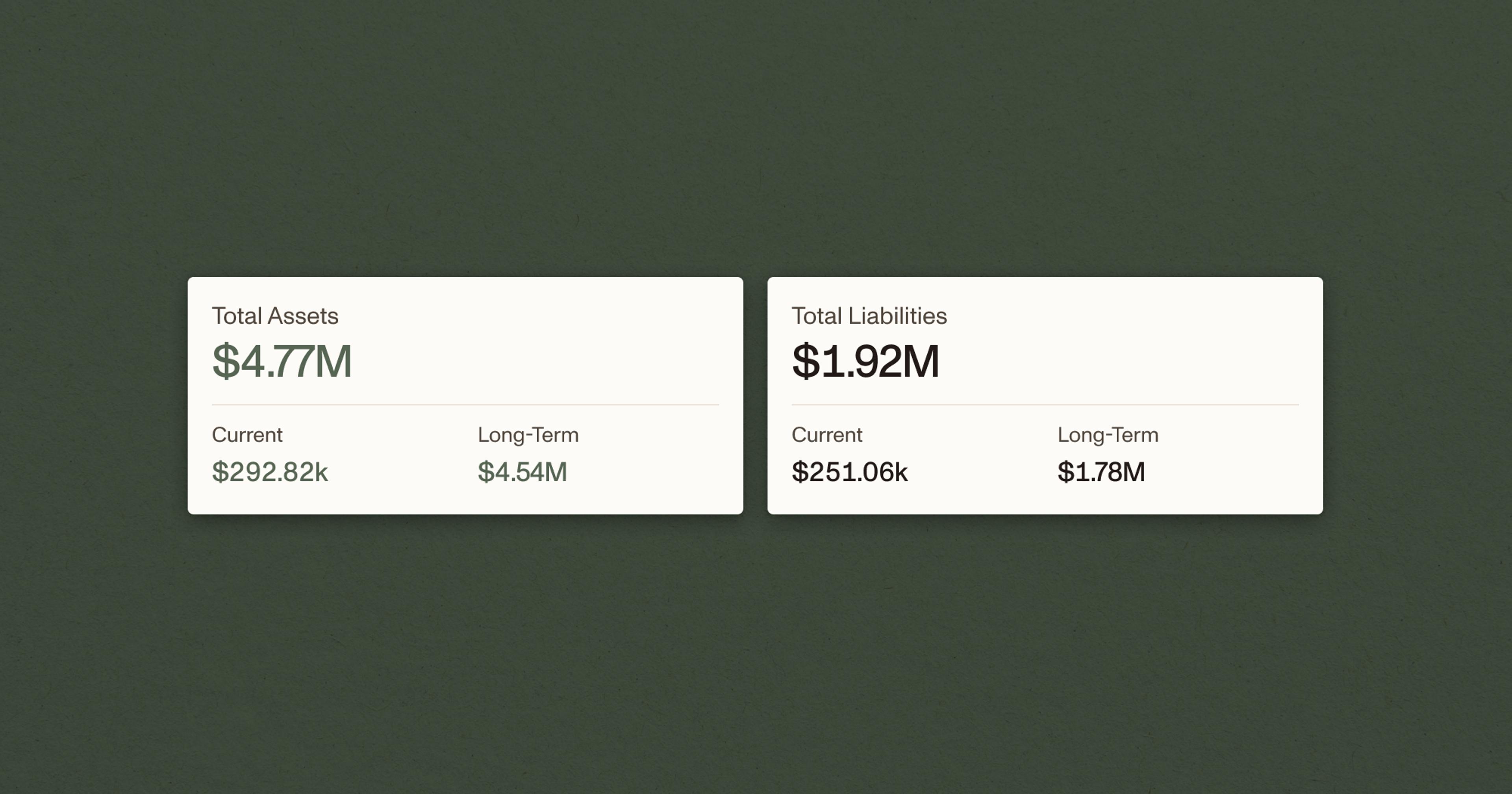

In accounting terms, current assets are resources owned by the business that are expected to be converted into cash, sold or used up within twelve months. They include things like cash, receivables, inventory and other liquid assets that can help you cover family living and operating expenses, short term debts, tax payments and other day-to-day financial obligations.
Maintaining a healthy ratio between current assets and current liabilities—a business‘ short term debts—is an important goal for many businesses, helping them avoid cash flow problems, secure loans when additional funding is needed, and get peace of mind.
What are current assets?
Current assets are assets that a business expects to convert into cash, sell or use up within twelve months. They include things like cash and cash equivalents (e.g. treasury bills, commercial paper), receivables, marketable securities (e.g. stocks, futures and options), inventory and prepaid liabilities.
Your current assets are an important measure of your business’ short-term financial health. You use them to calculate your working capital and current ratio, which can tell you how liquid your business is and whether it can cover its short term debts.
‘Fixed’ or ‘non-current’ assets are any assets that you don’t expect to use up within one year, and include things like vehicles, equipment, land, buildings and breeding livestock.
Current assets: examples
Liquid assets are any assets that can be converted into cash relatively easily and quickly. A business’ current assets include any assets that a business expects to sell, use or otherwise use up within twelve months, and include:
Cash and equivalents like petty cash, milk-cheque deposits, treasury bills and commercial paper
Marketable securities like grain or cattle futures, option contracts
Accounts receivable like custom-feeding charges owed, uncollected crop sales, pending milk payments, grazing fees due
Inventory like feedstock, seed, fuel, fertilizer and chemicals
Prepaid expenses like prepaid feed contracts, pasture leases, vet services and insurance
Other short-term assets like input credits, refundable deposits and easily liquidated co-op shares
Your current assets are like the lifeblood of your business, providing resources to cover short-term obligations, fund ongoing activities and keep the business going.
Where are current assets located on the balance sheet?
Because they’re the most liquid, current assets are listed at the very top of the assets section on the balance sheet, before any long-term or fixed assets.
Why are current assets important?
Current assets are crucial because they reflect the business’ ability to fund ongoing activities, operate smoothly through seasonal cycles, meet short-term obligations and keep production running, even in periods when income is low. In other words, they tell you how liquid the business is.
Without sufficient current assets, even a profitable farm can run into cash flow problems. Keeping close tabs on current assets can be especially important for agricultural producers for a few reasons:
1. Your lender will want to know about them
Farmers often rely on operating loans to cover seasonal expenses and large purchases. A sufficient level of current assets on the balance sheet demonstrates to lenders that the business can cover its short-term debts, and could increase the owner’s chances of securing financing.
2. You need them to operate day-to-day
Current assets are part of working capital, which can be calculated using the following formula:
Working Capital = Current Assets − Current Liabilities
Positive working capital generally indicates the business can meet its short-term obligations and invest in production, while negative working capital could mean the business is struggling to cover its day-to-day expenses.
The current ratio–the ratio between a business’ current assets and current liabilities–is another important liquidity measure that you (and possibly your lender) will want to know about:
Current Assets / Current Liabilities = Current Ratio
What constitutes a healthy current ratio is highly dependent on your industry, but the University of Minnesota’s Farm Financial Scorecard suggests that a current ratio above two generally indicates that a business has more than enough assets to cover its short term liabilities for the year.
3. They’re central to cash flow and financial planning
In a seasonal business like agriculture, current assets help farmers keep going in times when expenses are high and income is low. They’re like a shock absorber of financial cushion for the business, keeping it moving along smoothly even when there are potholes or bumps in the road.
Ambrook makes it easy to stay on top of current assets
Ambrook‘s real-time, interactive reports and easy-to-use workflows help you build habits around balance sheet maintenance, ensuring your financial data is always ready.
Plus, with time-saving bookkeeping automation features, streamlined bill pay and invoicing, and other powerful accounting and financial management tools, Ambrook doesn’t just make staying on top of your numbers easy: it takes the guesswork out of running your business. Curious to learn more? Schedule a demo.
Want to learn more about Ambrook?
This resource is provided for general informational purposes only. It does not constitute professional legal advice and may not apply to your specific situation. Consult with professional legal counsel before making any decisions about your business.