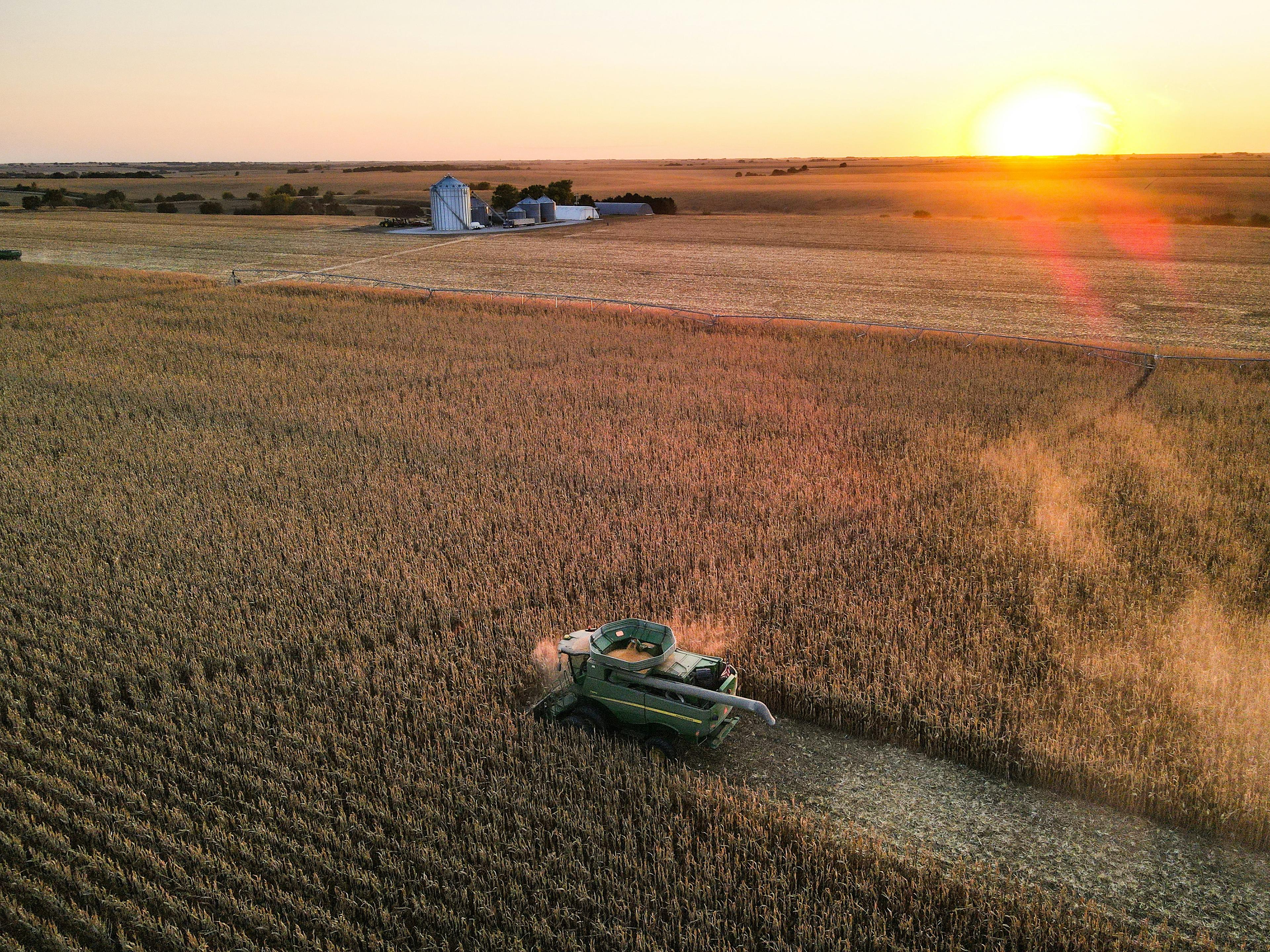
Finish the year strong, clean up your books and start the new year with confidence.
Year-end close is the process of finalizing your farm or ranch’s financial records for the year so they accurately reflect what happened—and set you up for better decisions going forward. For agricultural producers, it’s more than an accounting exercise: it’s also a chance to reconcile inventories, evaluate enterprise performance, prepare for taxes and give lenders and advisors a clear picture of the operation.
1. Prepare your records before you start
Before making adjustments, make sure all routine activity for the year is recorded.
Enter all income and expense transactions through year end
Confirm bank and credit card activity is complete
Post payroll entries and benefits
Record loan payments, including interest and principal splits
For livestock operations, double-check that feed purchases, vet bills, trucking, and yardage are fully recorded. Missing transactions at this stage create bigger problems later.
2. Reconcile bank accounts and loans
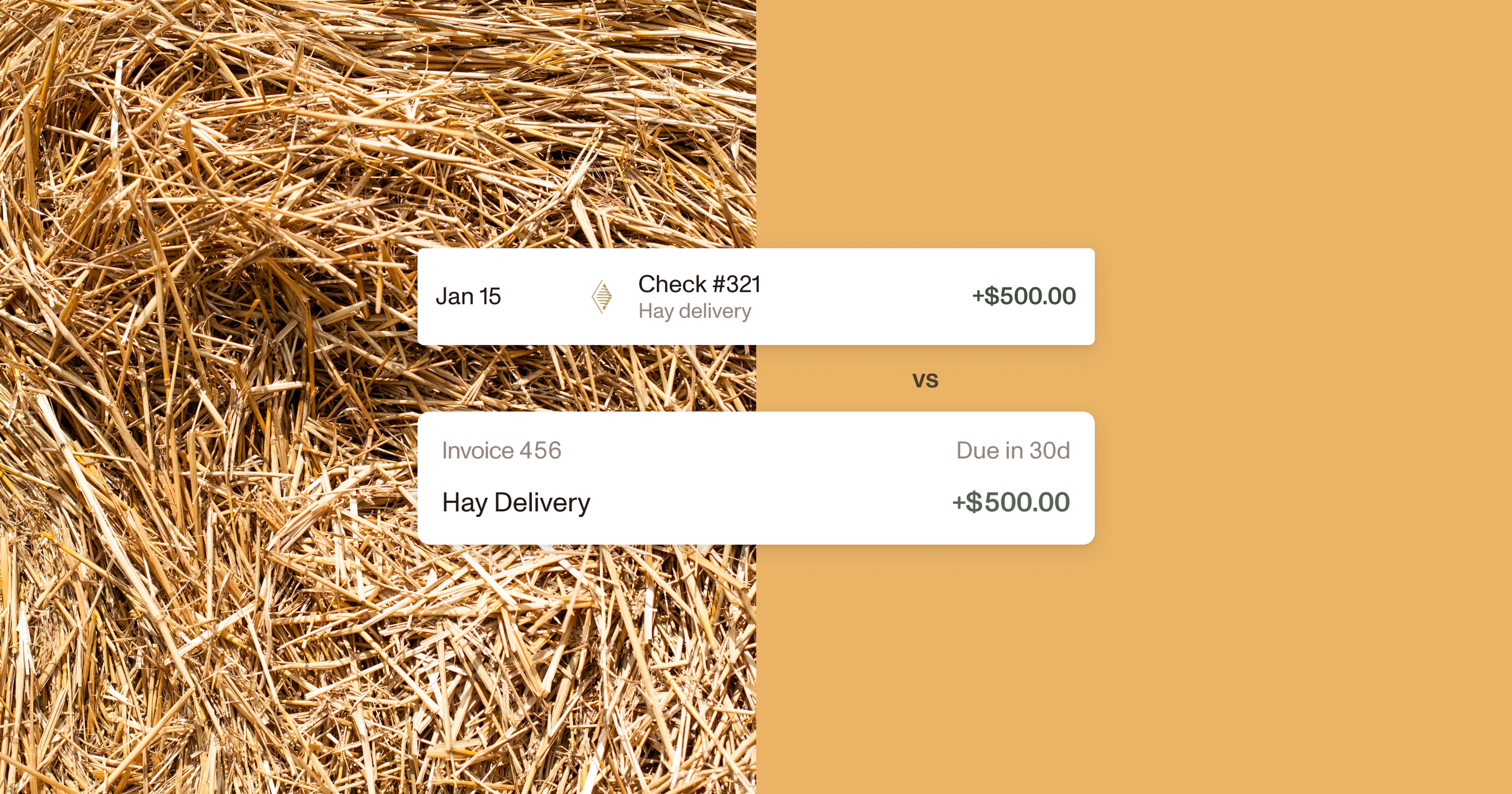
Reconciliation ensures your books match external records.
Reconcile all checking and savings accounts
Reconcile credit cards used for farm expenses
Reconcile operating loans and term debt
For producers using multiple accounts (operating, cattle purchases, feedlot settlement accounts), this step is especially important. Loan balances should match lender statements exactly at year end.
Read more: What Is a Bank Reconciliation, and How Does It Work?
3. Verify accounts receivable and payable
Year end close should reflect what you are owed and what you owe.
Review outstanding livestock, crop, or milk sales not yet paid
Confirm unpaid bills for feed, fuel, custom work, and veterinary services
Remove old or incorrect balances
This step supports accrual adjustments and improves the accuracy of your income statement, particularly for feedlots and dairies where sales and expenses often cross calendar years.
4. Count and value inventories
Inventory is one of the most important — and most error-prone — areas in agricultural accounting.
Livestock inventory
Count animals by class (cows, calves, feeders, replacements)
Verify numbers against production records
Apply consistent valuation methods
Cow-calf and feedlot operations should clearly separate breeding stock from market animals. Dairy operations should distinguish between mature cows and replacement heifers.
Feed and supply inventory
Measure hay, silage, grain, supplements, and mineral
Inventory fuel, chemicals, and supplies
Assign reasonable year end values
Crop producers should also inventory harvested grain and inputs on hand. Accurate inventory changes can significantly affect reported profit.
Read more: Farm Inventory Accounting 101
5. Record depreciation and asset changes
Fixed assets must be updated before closing the year.
Record depreciation for equipment, buildings, and breeding livestock (if applicable)
Remove assets sold, traded, or scrapped
Add new purchases placed in service during the year
Depreciation affects both tax planning and management analysis, so consistency year to year is key.
Read more: A Simple Guide to Depreciation and MACRS
6. Make accrual adjustments
Accrual adjustments align income with the expenses that produced it.
Common adjustments include:
Accounts receivable and payable
Inventory changes
Prepaid expenses
Accrued interest
For example, feed purchased late in the year but not yet used should remain in inventory rather than expense. Accrual adjustments are critical for comparing profitability across years and across enterprises.
7. Review income and expense categories
Before finalizing reports, review your chart of accounts.
Check for misclassified expenses (repairs vs improvements, feed vs supplies)
Confirm enterprise coding where applicable
Look for unusually large or missing balances
Livestock producers should confirm that feedlot, cow-calf, dairy, and crop expenses are allocated correctly to support enterprise analysis.
Read more: Building a Chart of Accounts that Works for You
8. Generate and review financial statements
Once adjustments are complete, generate year end reports.
Income statement
Balance sheet
Cash flow summary (optional but recommended)
Review these with an eye toward:
Overall profitability
Changes in working capital
Debt levels and leverage
Enterprise performance
Comparing results to prior years and benchmarks adds context and value.
9. Prepare for taxes and lender reporting
Year end close feeds directly into tax preparation and financial reporting.
Provide final reports to your tax preparer
Share lender-ready statements if required
Document assumptions used for inventory and accruals
Clean, well-documented records reduce tax prep time and improve credibility with lenders.
10. Back up your data and document the close
Before moving into the new year:
Back up accounting files and supporting documents
Lock or close the fiscal year in your software
Save copies of final reports
This protects historical data and prevents accidental changes after the fact.
Ambrook helps you close the books with confidence
Year end close is not just about finishing the books — it’s about understanding how your operation performed and positioning yourself for the year ahead.
With time-saving bookkeeping automation features, streamlined bill pay and invoicing, and other powerful accounting and financial management tools, Ambrook doesn’t just make staying on top of your numbers easy: it takes the guesswork out of running your business. Curious to learn more? Schedule a demo.
Want to learn more about Ambrook?
This resource is provided for general informational purposes only. It does not constitute professional legal advice and may not apply to your specific situation. Consult with professional legal counsel before making any decisions about your business.