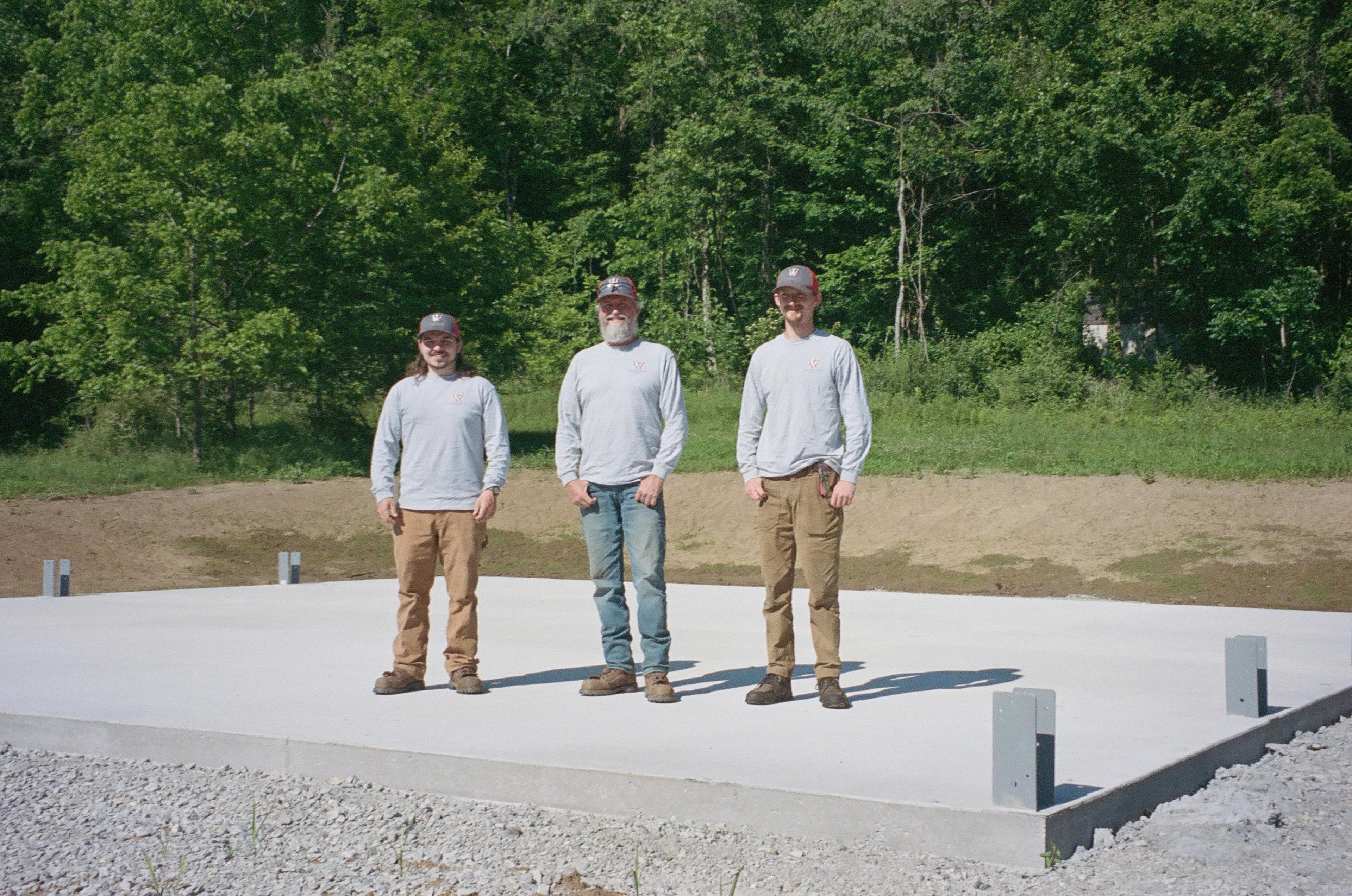
A family-run sawmill and agroforestry operation replaced Facebook messages and spreadsheets with estimates, inventory, and reporting in Ambrook. With a clearer picture of their finances and growth from identifying their highest-margin product, they were able to invest $30K in mill improvements and plan a $90K future investment in a hydraulic sawmill.
Meet Rick, Eric, and Paul
Rick Moser grew up fishing with his dad and grandfather near the woods of Liberty, Indiana. The location was special for the family, so his dad eventually bought a parcel of the land where he would stay for the rest of his life. Years later, when that parcel was passed down to Rick, he didn’t just take it over and move his family in. He grew it into what’s now WhiteWater Ranch.
The business was a side gig at first. Rick worked full-time in IT, but he also started raising livestock and cutting lumber with a small sawmill, mostly to build his own pens and fencing.
This caught the neighbors’ attention. They liked how carefully Rick managed the woods, so they asked to buy lumber from him. The neighbors then told their neighbors, word spread, and a side project turned into an entire business.
Rick’s son Eric got involved in early 2025 when he got back from the Navy, helping double their revenue from the prior year. By January of this year, the operation had grown enough that they needed another partner. Rick and Eric brought on Paul Bachner, Rick’s son-in-law, to run the books and expand their operations.
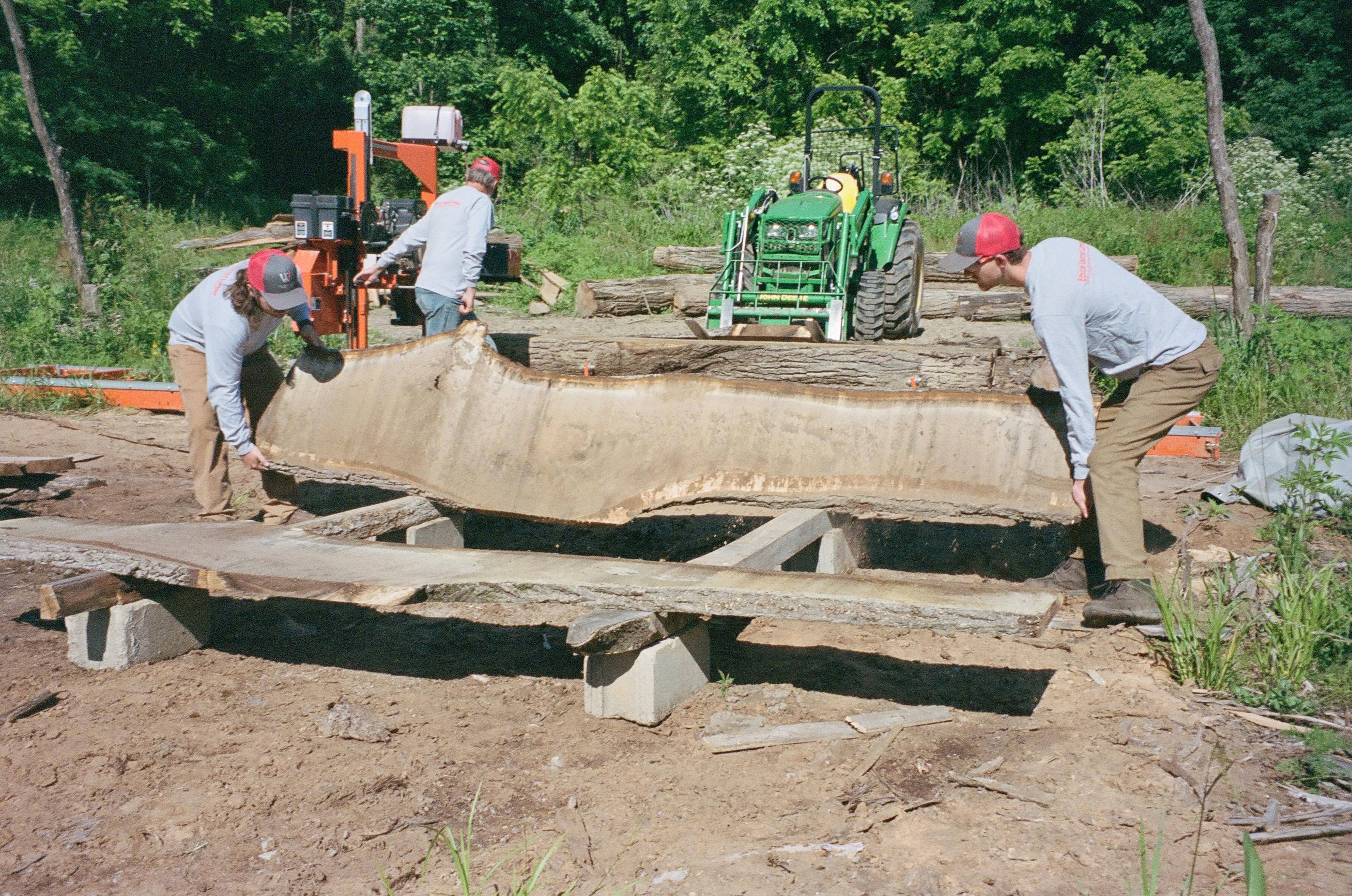
The three of them run an operation unlike your typical logging crew. Instead of taking all the best trees, Rick, Eric, and Paul go for the worst, dead, or dying trees first. This improves the health of the forest and means they can harvest the property year after year; they aren’t just razing the woods once every generation.
"We need to focus on agroforestry," Rick explained. "That's really working here, and we're in the right place for it."
The challenge: Scattered tools and no paper trail
Since Rick had a software background, he started using Jira to organize WhiteWater’s orders, but there wasn’t a real system for accounting or pre-invoicing. Rick managed estimates and negotiations with a mix of phone calls, emails, and hundreds of Facebook Marketplace messages.
Sometimes this caused confusion between the crew and customers. "I'd have 200 chats in my Marketplace," Rick said. "We started cutting on one,” Paul added, “and the guy's like, ‘Well, I didn't say yes yet.’"
Many processes were completely manual. For job estimates, Rick would run calculations in an Excel sheet by hand. When the crew needed to update their inventory, he’d walk out to the log yard and recount what was left. They tried to keep the spreadsheets up to date, but it was easy for things to slip. “Oh, I forgot," Rick would think, "we already sold that."
Making the switch to Ambrook
With their combined experience in IT and accounting, Rick and Paul knew they couldn’t afford some of the tools built for larger companies. They wanted something that fit an independent, custom sawmill: simple enough to manage day to day but able to handle real inventory and multiple product lines.
Paul started doing some research. He eventually found Ambrook online, and it just seemed to match what he and Rick were looking for.
“I was working in Excel, thinking, ‘Oh God, this is terrible.’ Then I found you guys and it was like, ‘Thank God, this can work.’"
A few weeks later, Paul had a new system set up with Ambrook: estimates that became tracked invoices, inventory that updated automatically, and reporting that finally showed them their margins by wood species. The crew had their entire workflow and financial data in one place, which enabled them to make managerial decisions for the business.
What changed: It all starts with an estimate
Instead of working between Jira, Facebook, and email, every job now starts with a formal estimate in Ambrook. The crew sends these estimates out to customers, who have to accept them before work begins. That estimate becomes the official work order.
There aren’t any more misunderstandings about whether a job’s been confirmed or not, Paul says, “We now have a paper trail that you said yes.” The order backlog has gone from something Rick juggled in his head to a real, trackable pipeline they’ve used for dozens of estimates.
Later, when the crew is ready to start an order, they go into Ambrook and convert the estimate directly to an invoice. Everything happens and gets recorded in a single place, so Rick, Eric, and Paul can focus on getting the job started.
Inventory that updates itself
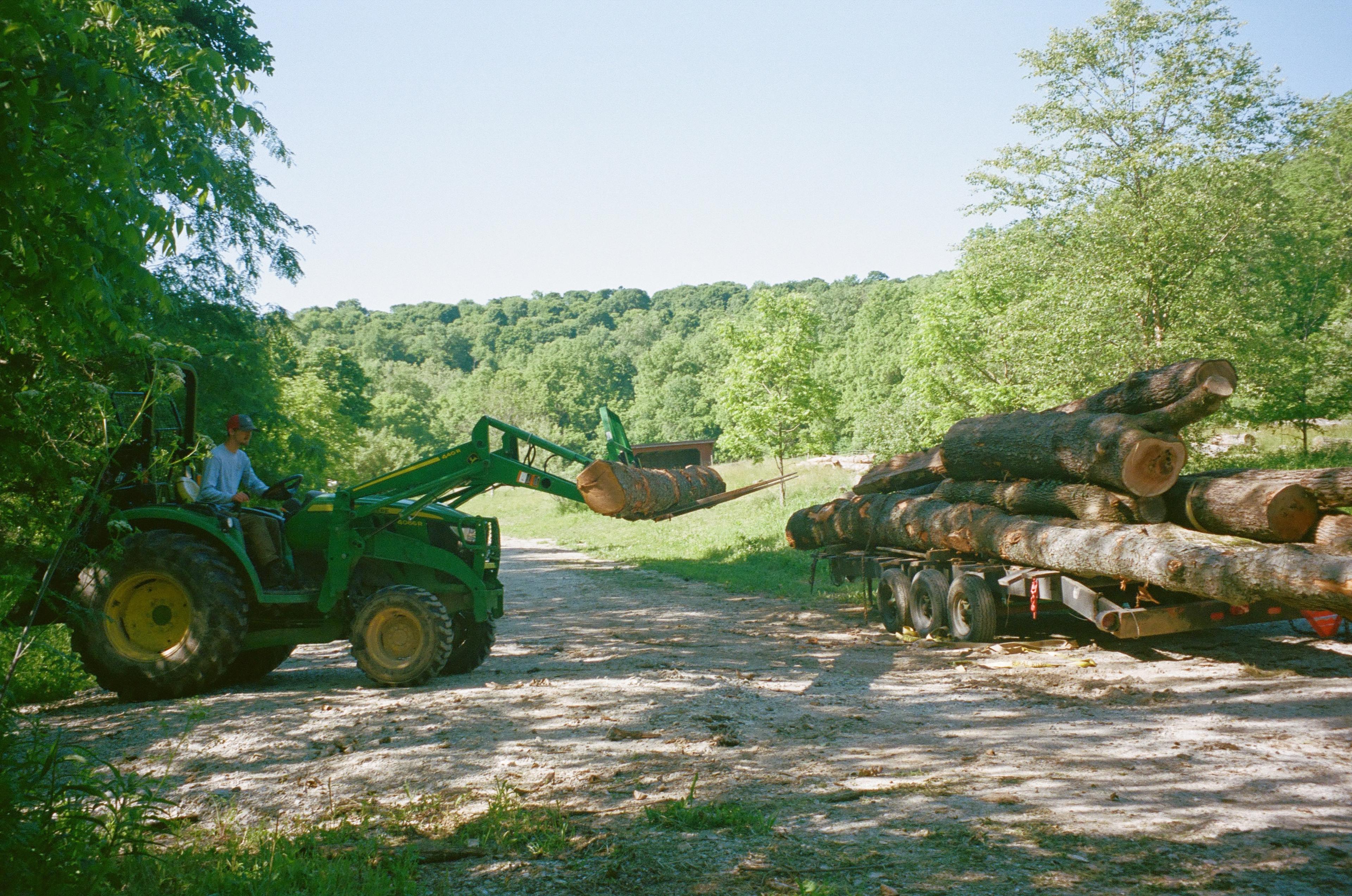
Once Rick starts on an order, he needs to record the changes to WhiteWater Ranch’s inventory. This used to be manual and hard to stay on top of: It relied on Rick, Eric, or Paul going out to the log yard to check what they had and then remembering to update a spreadsheet.
Now, inventory changes happen automatically in Ambrook. Invoices aren’t only a nice way to keep track of orders and customers; they help Rick and Paul directly record the logs they’ve sold, plan what they need to purchase, and keep their catalog up to date.
These days, they’re tracking dozens of catalog items and hundreds of different variants with Ambrook Inventory. The trip to the log yard is now a quick check on the computer.
“We go into Ambrook. We're like, here's our inventory. We still have stuff to get into it, but it just makes things a lot easier."
Reports that revealed their highest-margin wood
One of the clearest shifts for Rick, Eric, and Paul has been in how they prioritize different types of orders and sales.
Walnut is the highest-dollar wood they sell, but it's expensive to source and takes months of kiln and air-drying before it's ready. On the other hand, black locust is easier to source for the crew and can go straight from the sawmill to the stack. It’s a species most sawmills won't touch, because it's hard to mill, but Rick had a feeling it would be profitable for WhiteWater Ranch.
He went into his reports in Ambrook to check. With the numbers in front of him, the opportunity was obvious: The margins were much wider for black locust than they were for other types of wood. Also, the fact that other sawmills avoided the species meant WhiteWater Ranch would be more competitive and could sell more if they doubled down.
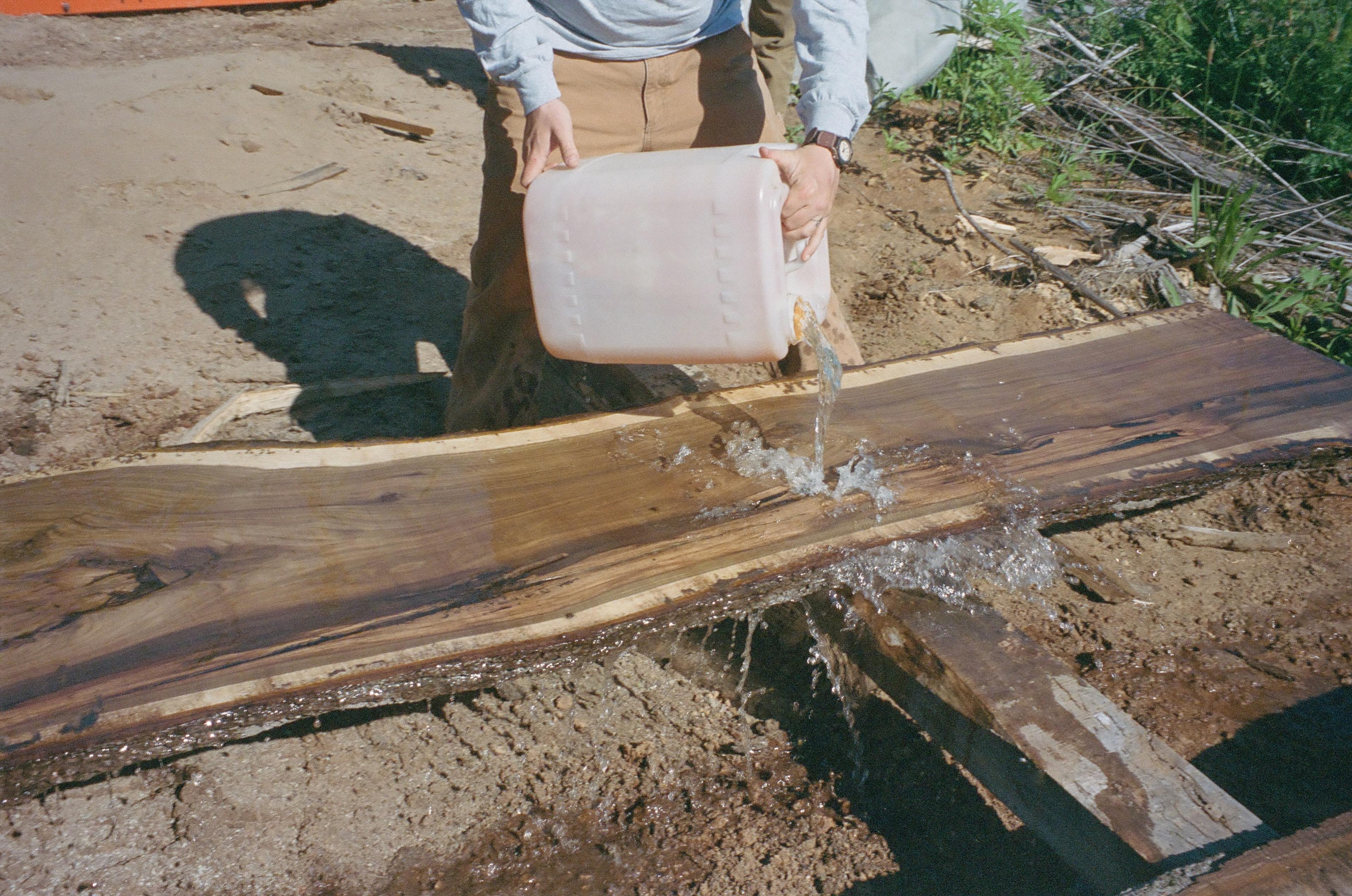
“I knew this intuitively, but when I look at Ambrook and I can see the reports… It makes a big difference. We can push that a little bit more and say, ‘Hey guys, bring us more black locust.’"
Looking forward: The confidence to bet on their business
Taken together, Ambrook gave Rick, Eric, and Paul a single source of truth for their operation:
Fragmented tools replaced with one estimate-to-invoice flow
30+ catalog items and 100+ variants tracked in one place
Product margins confirmed with Ambrook reports
This new system has given them the evidence to justify major investments in WhiteWater Ranch’s growth. “Alright, it’s time. We have enough momentum that we can invest in a building now,” Rick said. They’re putting $30K into mill improvements on the property, and are looking to eventually invest $90K in a hydraulic sawmill.
The mill improvements are their next milestones, but it’s hardly the end of the story. Rick’s goal is for WhiteWater Ranch to grow even further, expand the operation to a commercial facility, and continue to steward this piece of land for generations.