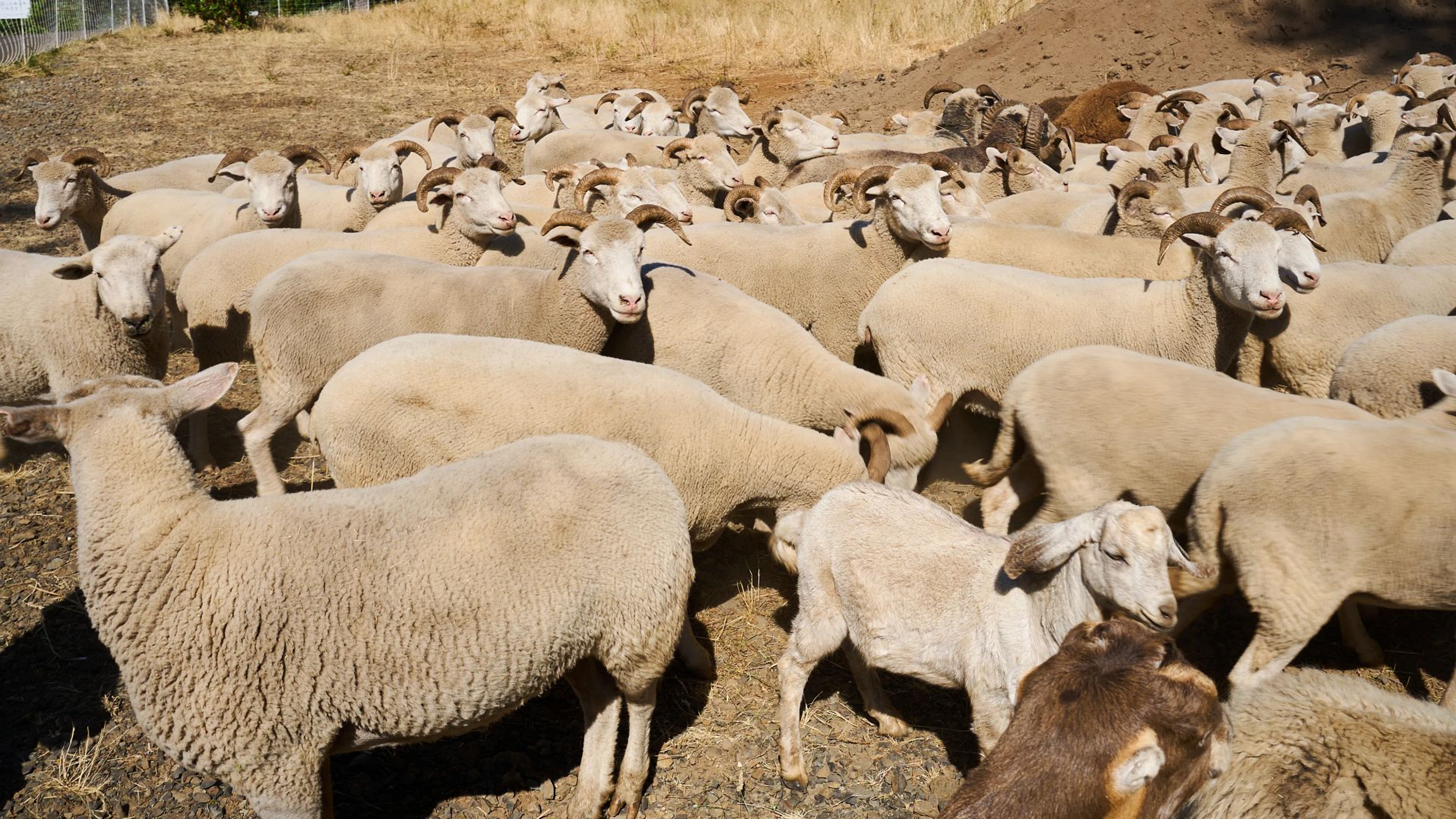
Welcome to Choate Family Farms
Larry and Kelly Choate raise lamb on 225 acres of Georgia pastureland and sell most of it within a few hours’ drive of where it’s grazed. Their customers are restaurants, butcher shops, farmers markets, and local delivery accounts across the Georgia region. Choate Family Farms is multi-generational, with father and daughter running the day-to-day together, and direct-to-consumer enough that the same person who manages pasture rotation is often the one talking to the chef plating the rack.
Since launching in 2018, Larry and Kelly have built the business around a clear ethos: high-quality lamb, close relationships with the people cooking it, and a continual eye on how to do the work more efficiently. That last part is where their financial advisor, Steve Scheppmann, a retired CFO who has spent his career inside finance functions, entered the picture.
"You’re getting a new generational farmer that questions their operations. They’re looking for real financial information to improve."
The before state
Steve explained most small business financial management follows a familiar pattern: keep the receipts, save them somewhere, hand them to a tax preparer in the spring. It’s enough to stay compliant, but it’s often not enough to grow a business.
Choate started in roughly that place. Expenses were tracked after the fact, mostly to satisfy Schedule F reporting. Feed, labor, repairs, animal care: all recorded, but not in a structure that could answer the questions Larry and Kelly were starting to ask about their operations. Was a tractor repair preventable, or a one-off? Were the restaurant accounts more profitable than the farmers market route? Should they invest in a no-till drill?
The data existed, but it just wasn’t in a form anyone could actually use. Larry and Kelly needed bookkeeping they could realistically maintain alongside busily running their farm, and Steve needed records clean enough that he could spend his time interpreting the business rather than hours upon hours reconstructing it. Without both of those pieces in place, the decisions weren’t possible.
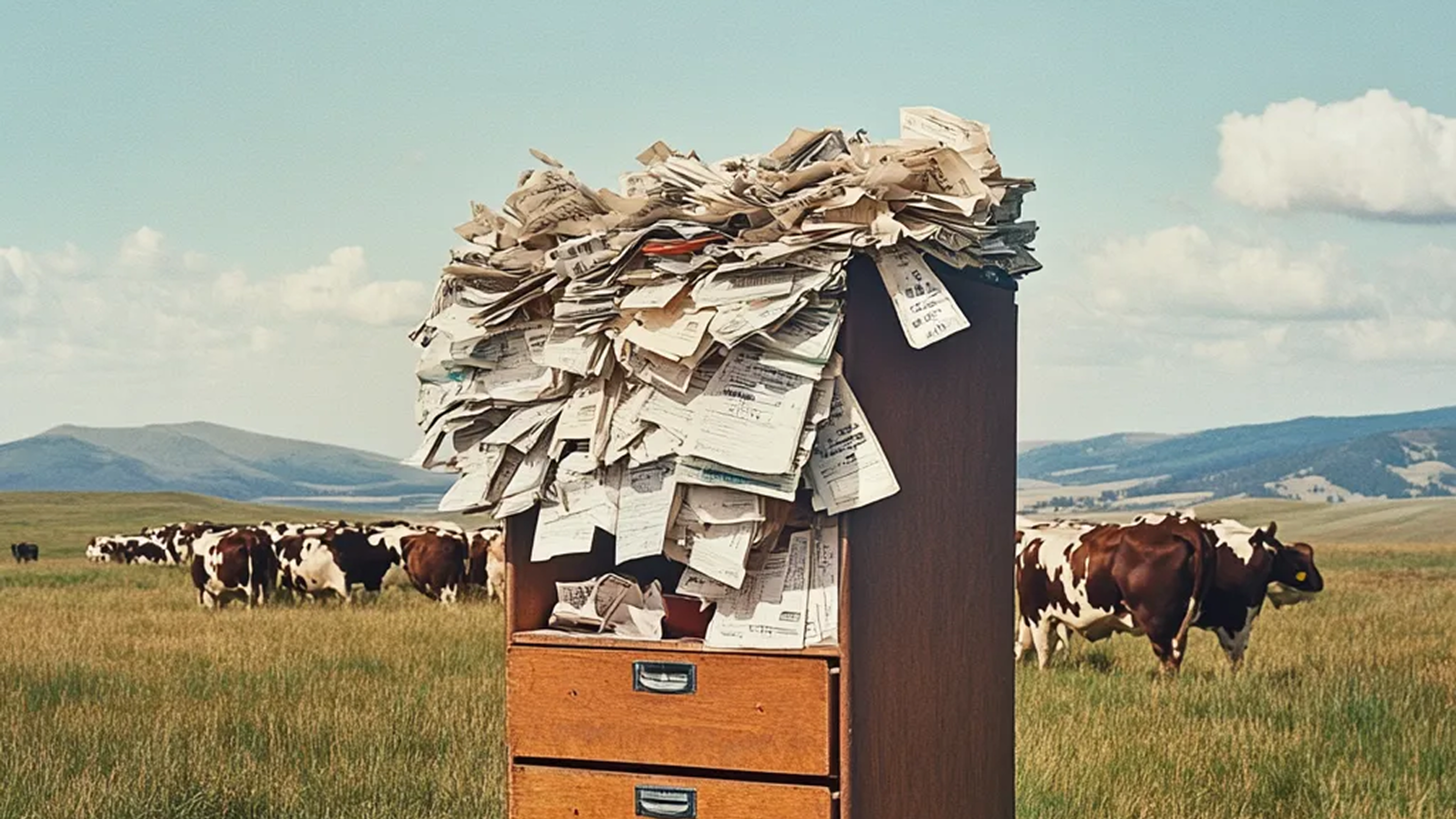
"The typical thing that I’ve seen small, local farms do is put everything in a shoebox. The old shoebox. The box of all the receipts."
Switching to Ambrook
The team rebuilt the chart of accounts during their personalized Ambrook onboarding, organizing it around how Larry and Kelly actually think about the farm: feed, pasture management, labor, equipment maintenance, instead of the categories the IRS happens to ask for. They connected bank accounts and issued Ambrook cards so transactions flowed into the ledger as they happened, and set up recurring journal entries for predictable line items.
With those pieces in place, bookkeeping stopped being a once-a-year scramble and became part of the weekly rhythm of running the operation.
What changed: Books Larry and Kelly can easily keep current
The daily bookkeeping upkeep stopped being a headache. With the Ambrook card linked to the operating accounts and the chart of accounts mapped to farm activities, transactions categorized themselves on the way in. Larry and Kelly kept doing what they already did, and Ambrook organized it.
That difference matters because the alternative, trying to interpret farm operations through a tax-prep chart of accounts, is the reason most small farms never get past the shoebox. Now, Steve also has numbers he can actually work with.
Once the ledger was current and structured, Steve could stop reconstructing the past and start interpreting the present. He works exception-first, and Ambrook’s structure gave him something to scan against. When a tractor repair hit, he could ask whether it was preventable or a sign of a maintenance gap. When feed costs spiked, he could see the pattern instead of the line item.
The dynamic that made this work was three things together: Larry and Kelly keeping the books current, the chart of accounts reflecting how they actually run the farm, and Steve providing the financial context to turn what the numbers said into what the operation should do.
"What Ambrook does is turn transactional financial data into actionable operational information. It makes the invisible visible."
Business decisions that paid for themselves
With clean monthly data and Steve’s review, the team started making important decisions in the open instead of in the dark. The first major one was a $5,000 no-till drill. By tracking labor, equipment use, and seeding productivity, they calculated an expected payback period before the purchase. The drill paid for itself in roughly twelve months.
The second was feed. Analyzing the recurring purchase pattern made the math obvious. Installing a grain bin and buying feed in bulk cut hundreds of dollars per month off delivery costs, with a payback window short enough to justify the upfront investment.
The same structure now supports profitability tracking by customer and sales channel and the analysis that lets Larry and Kelly see exactly which restaurants are worth the delivery time and which markets carry their own weight.
"Once you start measuring it, you can look at alternatives. You can see where the opportunities are and make better decisions."
Results: closing the loop between bookkeeping and financial management
Identified a $5,000 no-till drill investment that paid back in 12 months
Saved hundreds of dollars per month on feed by installing a grain bin and buying in bulk
Moved bookkeeping from a year-end shoebox to a monthly rhythm Larry and Kelly maintain alongside running the farm
The shift at Choate has been less a software story than a working-relationship one. Larry and Kelly have an accounting system they can now easily keep current. Steve has data clean enough to analyze. Together, they make decisions grounded in what the operation is actually doing with the financial clarity they need to keep growing.