If you’re forced to sell livestock due to a weather-related disaster such as drought, two tax provisions – 451(g) and 1033(e) – could help soften the blow. Here’s how they work.
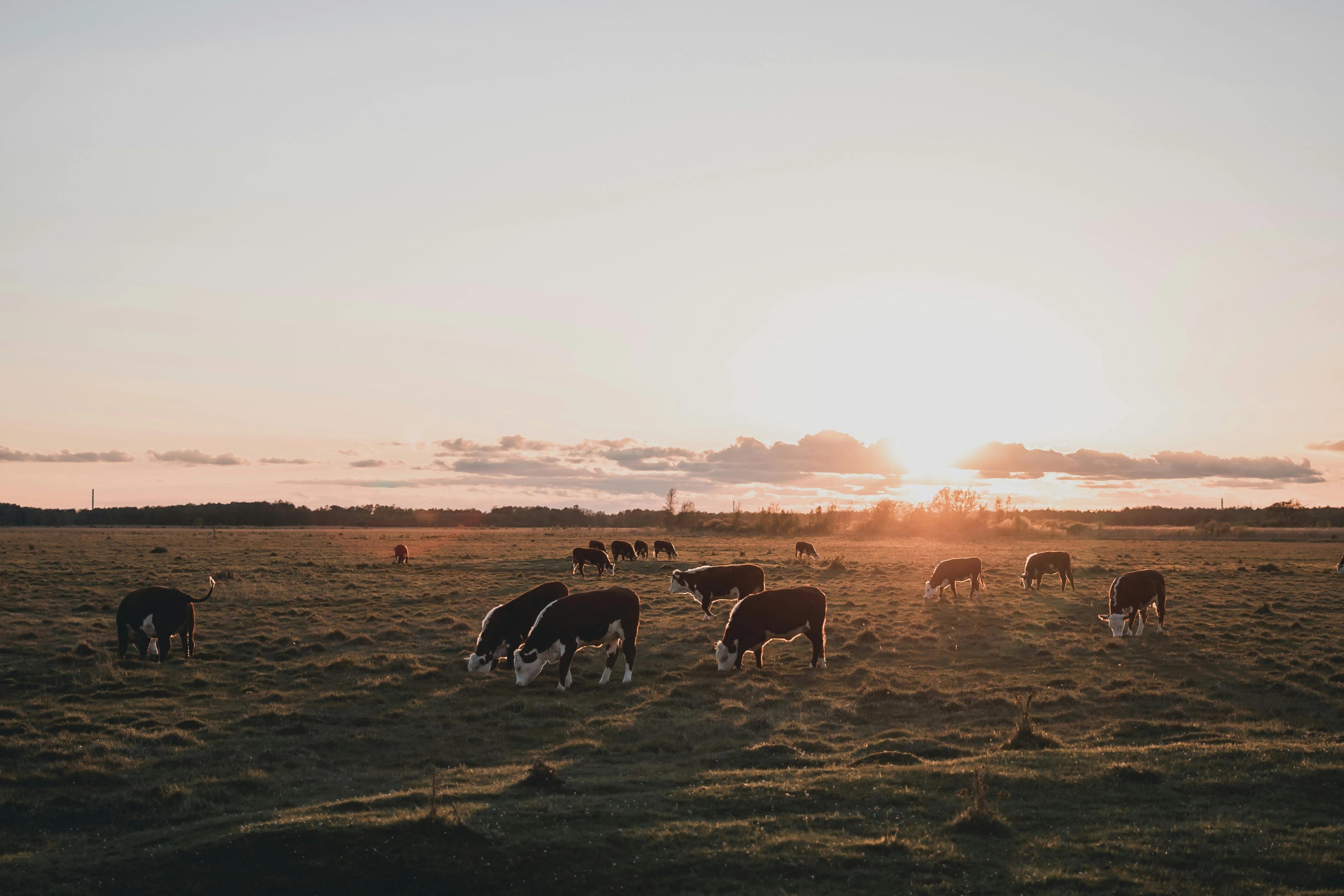
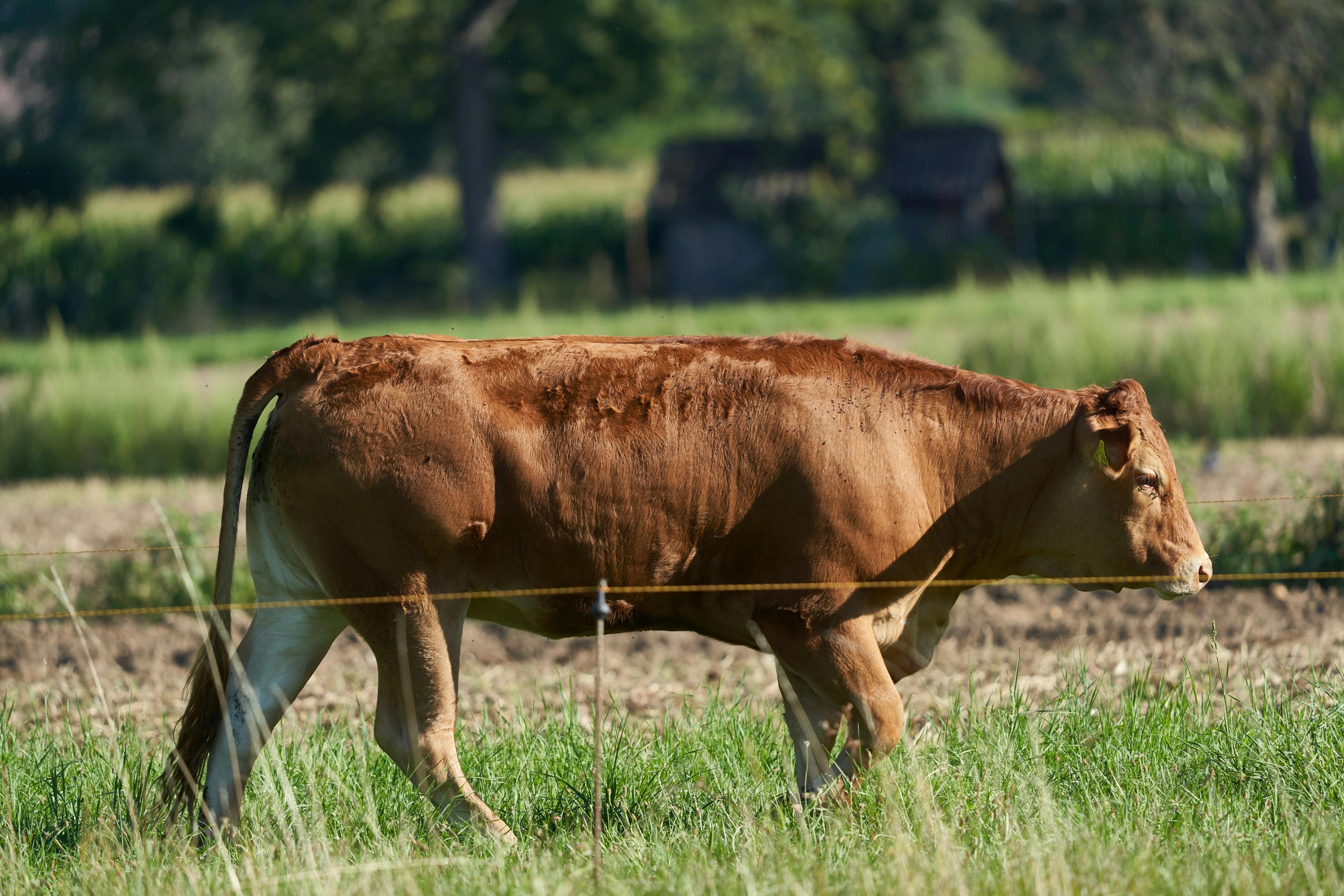
Drought and other weather-related factors can sometimes force producers to sell livestock earlier or in greater numbers than they would under normal operating conditions. These unplanned sales can concentrate income into a single year, increasing taxable income and reducing flexibility in an already difficult period.
To ease this burden, the IRS provides two income-deferral options for weather-related livestock sales: 451(g) and 1033(e). These rules allow qualifying producers to postpone reporting certain gains, which can help smooth income. Here’s how they work and what to ask your tax preparer about.
IRC Sec 451(g), the one year deferral
You may defer income for one tax year on livestock sold early because of weather-related conditions if all of the following apply:
Your principal trade or business is farming
You use the cash method of accounting
Your normal practice is to sell the livestock in the following year
The area has a federal disaster declaration
The animals don’t need to be raised or sold inside the declared area, but the key is that the same weather event both triggered the disaster declaration and forced the sale. Only sales above your normal practice qualify.
What does “normal” mean?
If you typically market your calves in February but must sell them in the fall due to drought, you can defer the excess income. “Normal” is based on your three-year average for that class of livestock, and the election must be included with your return for the year of sale.
How do I make the election?
Attach a statement to your tax return for the year of sale. It must include:
Your name, address and tax ID
A statement electing postponement under IRC 451(g)
Evidence of the weather event and the federal disaster designation
An explanation of how the conditions caused the sale
The normal number of animals you would have sold (three-year average)
The total sold this year and the number attributable to weather conditions
The amount of income you are deferring
IRC Sec 1033(e), the multi-year deferral
Draft, dairy and breeding livestock producers have a second option: they can defer gain when weather forces excess sales by replacing those animals within two years. If the same weather event triggers a federal disaster declaration, the replacement window extends to four years.
The deferred gain reduces the basis of the replacement animals. If replacing animals is still not feasible after the allowed period, you may use the proceeds to buy other farm assets — but not land. This option is only available after the full two- or four-year window. Until then, replacements must be livestock of the same purpose (e.g., beef for beef, dairy for dairy). As with the one-year deferral, only sales above your normal practice qualify.
How do I make the election?
Attach a statement to your tax return for the year of sale. It must include:
Your name, address and tax ID
Proof of the weather event and its connection to the sale
The number and type of animals sold
Your normal three-year average for that class of livestock
The gain realized and the amount you want to postpone
How do crop insurance proceeds work?
Deferring crop insurance proceeds works much like the one-year deferral discussed above. You may defer proceeds only if you sell over 50% of your crop the year after harvest, are a cash basis farmer, and receive the insurance payment in the same year the damage occurred. The payment must also be for physical crop loss, not lost revenue.
Keep in mind that payments received the year after production can’t be deferred again, and that the election is all-or-nothing—you must defer all eligible proceeds from all crops grown that year, even if your normal sales timing differs by crop.
What to know before you defer
Remember that it might not always be in your best interest to elect. If you don’t replace breeding animals within the allowed period, for example, you must amend your return and recognize the deferred gain, which could lead to a higher tax bill than if you had reported it up front.
Deferral also eliminates basis in the replacement animals, meaning you lose the depreciation that could otherwise offset income and self-employment taxes.
Each case is different, and you should discuss your situation with a tax professional before taking either election.
Turn recordkeeping into an asset with Ambrook
Ambrook is purpose-built for farm accounting, making it easy to categorize and track personal and business expenses while giving you unparalleled insight into your operation’s performance.
With powerful bookkeeping and smart tagging functionalities, dedicated payment cards, automatic expense reporting, and a custom chart of accounts that grows with your business, Ambrook gives busy operators everything they need to get financial clarity now. Interested in learning more? Schedule a demo today.
Want to learn more about Ambrook?