
In a volatile marketplace, the lower of cost and market method can provide stability and consistency, but the nature of farm inventories can also sometimes make it impractical.
This is part two of our four-part series on inventory valuation. Be sure to also read part one “The cost method,” part three “The ‘farm-price’ method” and part four “The unit-livestock-price method.”


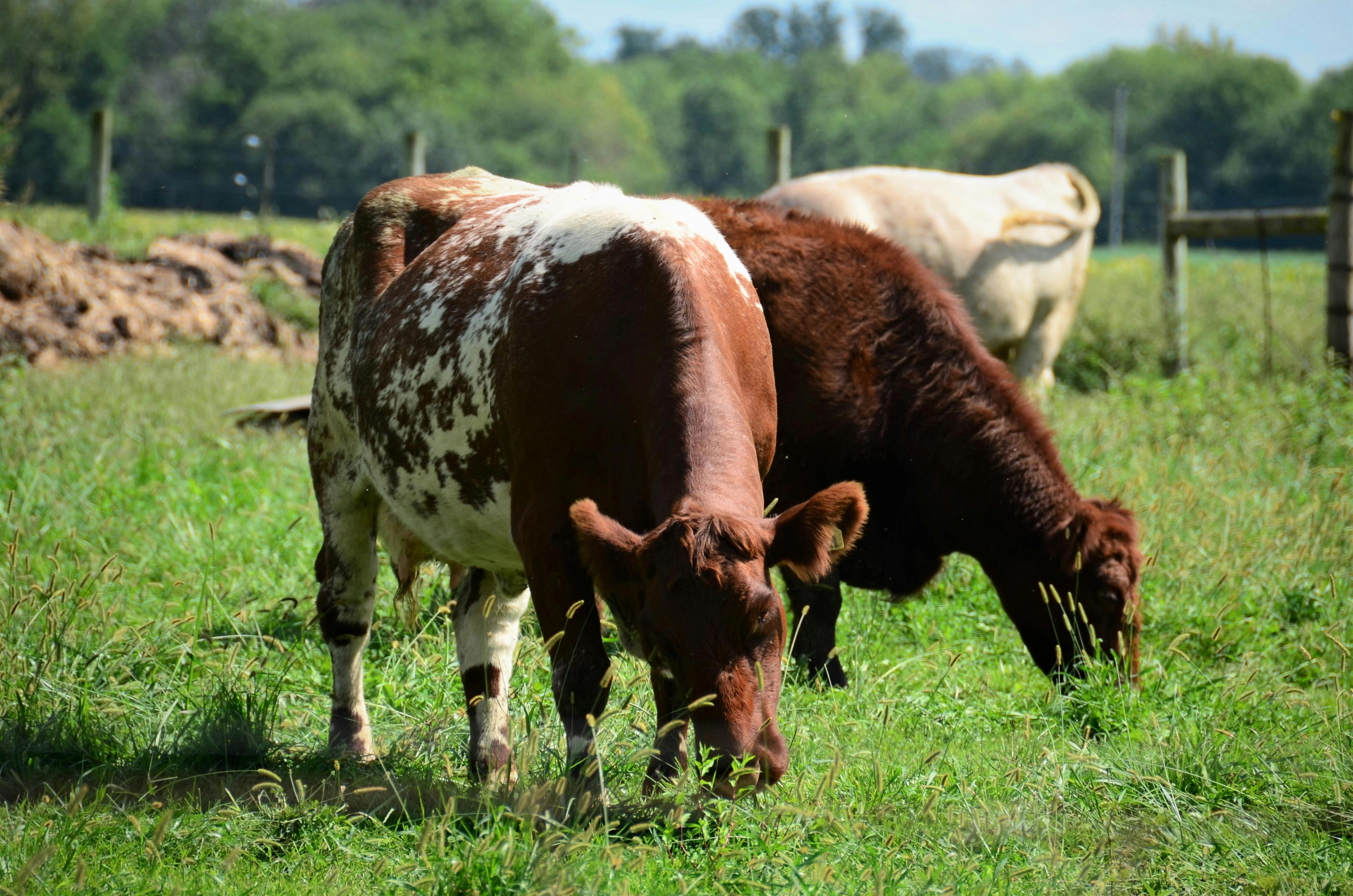
Unlike main street businesses, farmers often raise or harvest their own inventories, intermingle them with purchased inventory, then hold those inventories for both resale and further use in the operation.
That can make coming up with a balance sheet for those inventories a challenge under an accrual accounting system.
One widely recommended approach to farm inventory valuation is the lower of cost and net realizable value (NRV) method, whereby businesses will value their inventory either its cost or market price–whichever one is lower.
This conservative approach helps prevent businesses from overstating the value of their assets, but it can also sometimes be impractical from a recordkeeping perspective. Here we’ll explain how the lower of cost and NRV method works, when farmers should use it and when alternative methods may be more practical.
What is the lower of cost or net realizable value (NRV) method?
The lower of cost or net realizable value (NRV) method, also sometimes referred to as the ‘lower of cost or market value (LCM)’ method, is an accounting rule used to ensure that inventory value isn’t overstated on the balance sheet.
It requires that inventory be valued at the lower of either its original cost or its current net realizable value (NRV) at the reporting date.
Inventory cost refers to the original acquisition or production cost of the inventory (i.e. materials, labor and overhead that went into producing it).
Net realizable value (NRV) is the estimated selling price of the inventory in the ordinary course of business, minus reasonably predictable costs of completion and disposal (i.e. fees, transportation, etc.)
Under the lower of cost and NRV method, if the market value of inventory falls below cost, owners must ‘write down’ the inventory to its lower, more conservative value.
Lower of cost and NRV is what the Generally Accepted Accounting Principles (GAAP) recommend for most inventories, because it avoids overstating inventory values when prices are changing.
When should I use the lower of cost and NRV method?
As suggested by the Farm Financial Standards Council (FFSC), it can be helpful to separate farm inventories into four different categories:
Inventories raised/harvested for sale
Inventories raised/harvested for use in the production process
Inventories purchased for resale
Inventories purchased for use in the production process
The FFSC recommends that the lower of cost and NRV method be used for inventories that fall into category #2 (raised/harvested for use in the production process) and #3 (purchased for resale).
Inventories raised or harvested for use in the production process
According to the FFSC, raised feedstuffs, crops and other items that aren’t available for immediate sale and delivery should be valued at the lower of cost and net realizable value. While the net realizable value (NRV) method of valuation is acceptable, doing so runs the risk of distorting income by reflecting “unrealized gains or losses.”
Inventories purchased for resale
Similar to the above items, feeder livestock, crops, feedstuffs and other items actually purchased with the intention of being resold may be valued using the net realizable value method (NRV), but the lower of cost and net realizable value method is preferable.
For items that were not purchased with the intention of being resold, but which could be resold, the FFSC recommends the lower of cost and net realizable value method.
When should you use another method?
While the lower of cost and NRV method provides a conservative and reliable method for valuing inventories, recordkeeping burdens and the nature of farm inventories can sometimes make it impractical.
In these cases, the FFSC generally recommends you use one of the following inventory valuation methods instead:
1. The cost method
Under the cost method, inventory is recorded and reported on the balance sheet at its actual acquisition or production cost—i.e. the total cost to bring the goods to their present location and condition for sale or use.
The cost method is most practical when these costs can be easily tracked and identified, like veterinary care, vaccination, feed, mineral and nutrient costs tied to a specific feeder cow.
The FFSC generally recommends the cost method for items that fall into category #4: inventory purchased for further use in the production process. These items usually have an easily-identifiable acquisition cost, and also don’t pass the FFSC’s ‘immediate delivery’ rule mentioned above, making NRV inappropriate.
2. Net realizable value (NRV) or the ‘farm-price’ method
When producers have large and complex inventories that make cost accounting impractical, agricultural producers have another inventory valuation method available to them: the net realizable value (NRV) method, also sometimes referred to as the ‘farm-price’ method, or simply ‘market value.’
NRV values inventory at current market prices less the estimated cost of completion, disposition, transportation and selling. This simplifies recordkeeping and aligns inventory values with current market prices. The FFSC recommends using NRV when inventories have:
A reliable, readily determinable and realizable market price
Relatively insignificant and predictable costs of disposal
Are available for immediate delivery
Generally speaking, that means inventories from category #1, inventories raised/harvested for sale, should be valued at NRV.
FFSC recommendations: a summary table
Here’s a summary of the FFSC’s recommendations for each inventory type:
| Inventory raised/harvested | Inventory purchased | |
|---|---|---|
| For (re)sale | Net realizable value (NRV) | Lower of cost and NRV, but net realizable value (NRV) is also acceptable** |
| For further use in the production process | Lower of cost and NRV, but net realizable value (NRV) is also acceptable* | Cost method |
*The FFSC generally recommends against using NRV for raised feedstuffs, since it could distort income by reflecting “unrealized gains or losses” on products not intended to be sold in their present form.
**Feed consumed by finishing livestock, or which will be converted into milk, eggs or other products, or any other foodstuffs used to produce items that will eventually be resold, should be valued using the lower of cost and net realizable value method.
Take stock of your finances with Ambrook
Ambrook is the complete financial platform for your agricultural operation, giving you a complete set of books and detailed financial insights that make it easier to value inventory, track profit and plan for the future.
With time-saving bookkeeping automation features, automatically-generated financial reports, streamlined bill pay and invoicing, and other powerful accounting and financial management tools, Ambrook takes the guesswork out of running your business. Want to learn more? Schedule a demo today.
Want to learn more about Ambrook?
This resource is provided for general informational purposes only. It does not constitute professional tax, legal, or accounting advice. The information may not apply to your specific situation. Please consult with a qualified tax professional regarding your individual circumstances before making any tax-related decisions.