A ranch built by saying yes
Sean Weinert is talking from the cab of an old pickup in southwestern North Dakota, close enough to see the edge of three states on a map. He pauses mid-sentence to wrestle the window up.
“Sorry about that,” he laughs. “Old pickup. Doesn’t like to roll up.”
That combination of persistence and practicality shows up everywhere in Sean’s story. He didn’t grow up in agriculture. His mom was a teacher; his dad ran feed mills and grain elevators. But he had cousins who ranch in the Rocky Mountains, and Sean couldn’t shake the way their family operated: together, with the kids always in the middle of it all.
"That was always my inspiration to want to be part of this," Sean says, looking out the window.
After high school, Sean joined the Marine Corps. He went to Montana State University after he got out, where a single animal science class turned into a major. And where he met his wife Kat. Not long before graduation, they took a job managing a ranch near her hometown of Hettinger. Two years later, they bought their first set of cows.
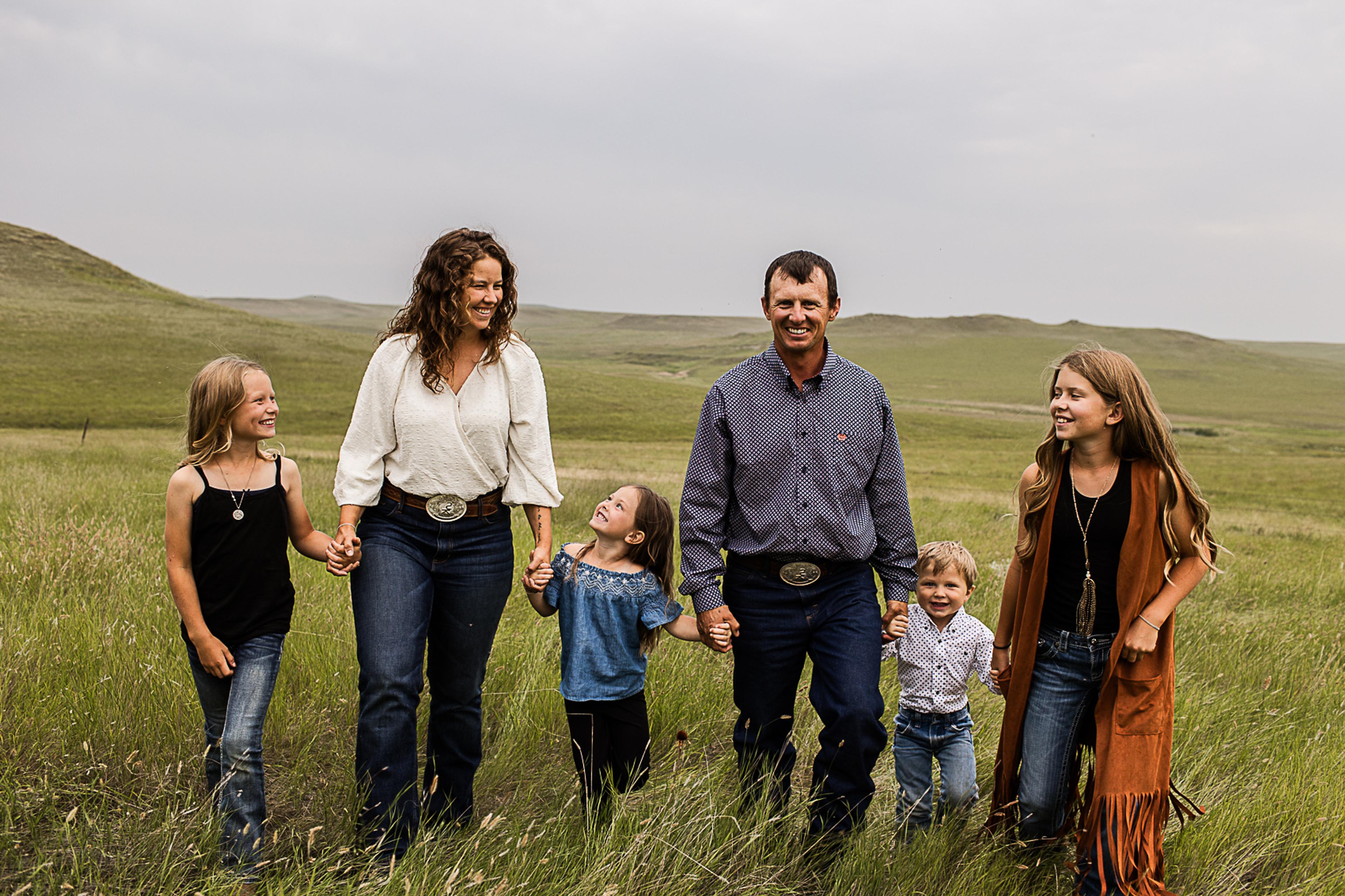
Today, the Weinerts run Lost Creek Cattle Company, a registered Black Angus operation, raising bulls they market through Pharo Cattle Company, a group of producers whose bulls are sold together through a central marketer. They’re also raising four kids (three daughters and a youngest who’s five) while continuing to grow the business one opportunity at a time.
Sean’s approach is simple: say yes, then figure it out.
“When opportunities have come to us, we just say yes, kind of at all costs.”
He means it literally. When they found a 60-acre pasture sitting idle with no fence and no water, the Weinerts didn't wait until everything was perfectly lined up. They moved forward and built the infrastructure it needed. Because, when you're getting started, Sean says, "every acre, every piece of grass counts."
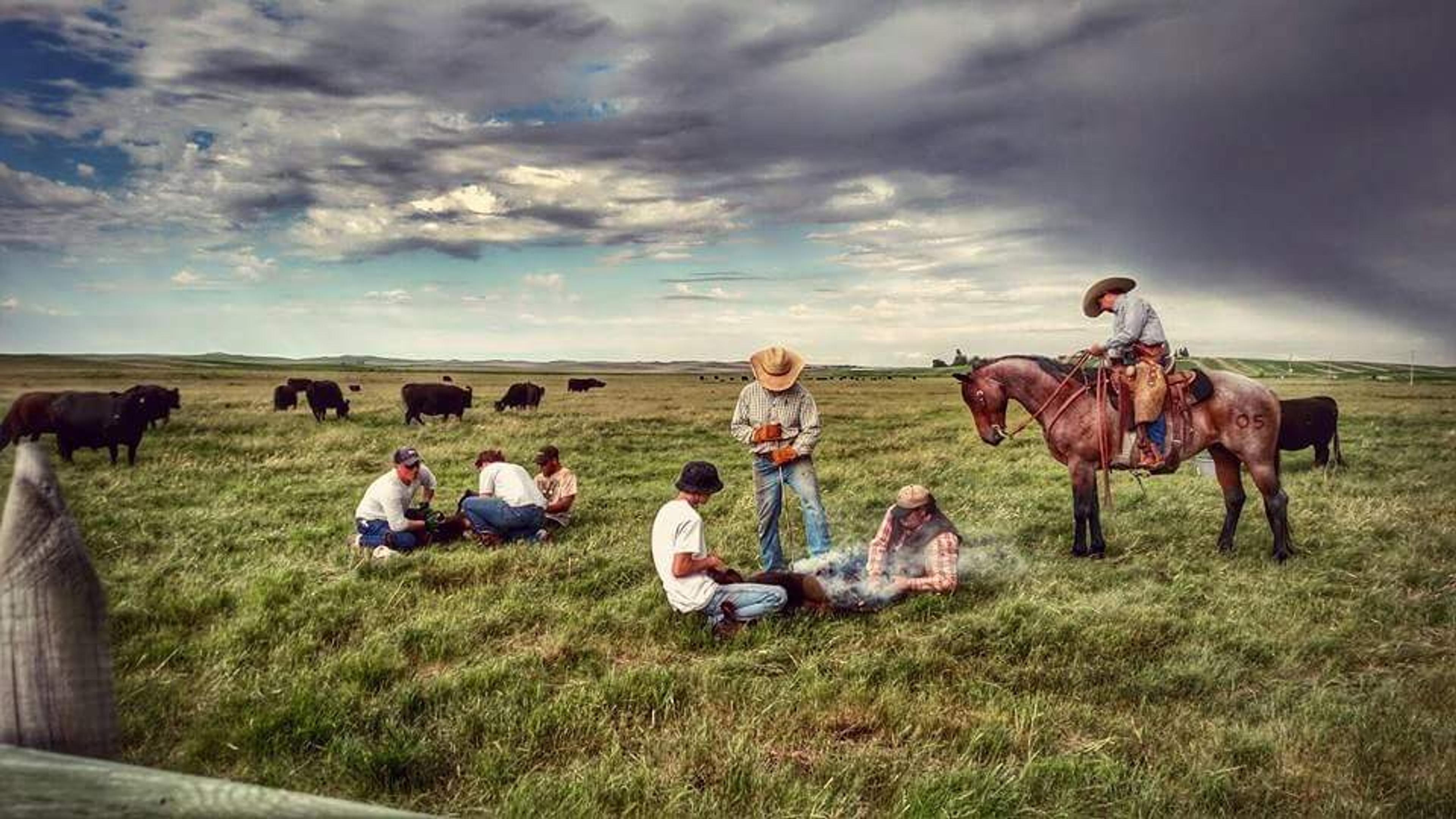
Sean Weinert runs Lost Creek Cattle Company in southwestern North Dakota with his wife Kat and their four kids.
Challenge: When your “system” is a mental tally
For years, Sean’s finances ran on a routine that was common but limiting.
“I would just download my bank statements to Excel and make notes of what things were and send it to the accountant,” he says.
It worked well enough to get taxes filed. But it didn’t give Sean what he needed in the moment: a clear, current view of what was happening inside the business.
“I had no idea other than some kind of mental tally of what was happening,” he says. “Sometimes there was money left over, sometimes not.”
The hardest part wasn’t even categorizing expenses. It was the uncertainty, especially around checks.
Sean doesn’t balance a checkbook. Like a lot of operators, he’d try to hold the details in his head: what checks were written, what hadn’t cleared, what was still out there. And then the business would remind him, suddenly.
“You lose track, and then all of a sudden five grand comes out of your account,” he says. “It's stressful.”
That unpredictability makes it hard to feel steady. And it makes it harder to run a business like a business.
Discovering Ambrook
Sean first heard about Ambrook at a grazing conference, when someone asked about accounting tools. John Haskell, a rancher and educator, mentioned Ambrook. Sean wrote the name down.
When he got home, he looked it up. He’d heard people complain about QuickBooks and Quicken, but he’d never used accounting software at all, so he didn’t have a frame of reference.
“I’d never used an accounting software, period,” he says. “I had zero accounting experience.”
But as he read, something clicked: he needed a system that could help him get organized, and a team that would help him learn it.
Sean started using Ambrook about a year ago, in January 2025.
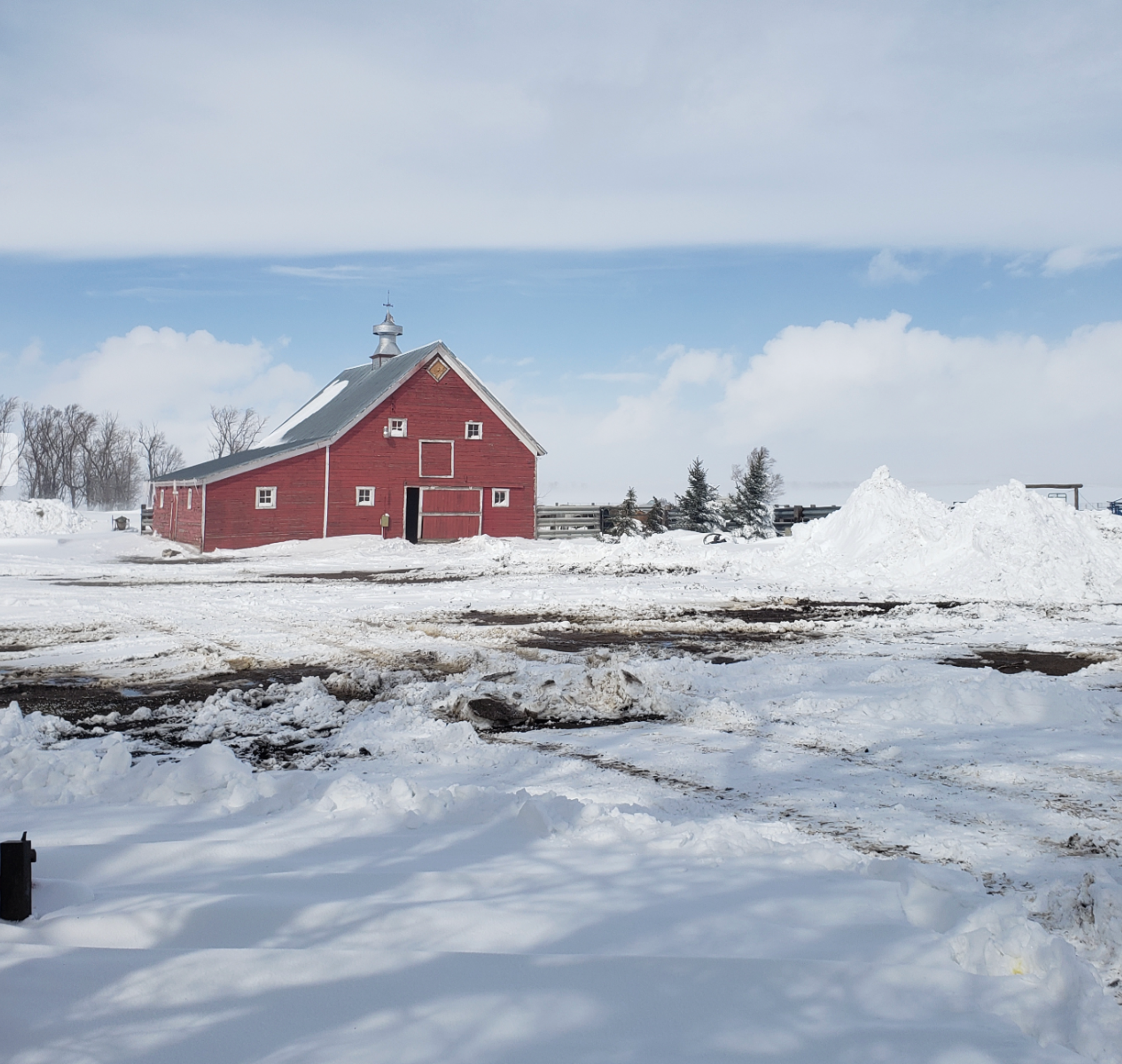
Sean first heard about Ambrook at a grazing conference and started using it in January, despite having zero prior accounting software experience.
What changed: A ledger you can trust
At first, Sean did what most people do: he tried to fumble his way through.
“Ambrook was simple enough that I could get things in there,” he says. “But I just still didn’t understand what I was doing, because I didn't have the background.”
Luckily, Ambrook’s team reached out to check in. Sean didn’t sugarcoat it.
“I just said to them, I'm in over my head.”
That’s where the experience shifted. Support helped him learn the mechanics: how to categorize and tag, how to handle liabilities and notes, how to move money correctly. When Sean hit a wall, he could ask a question, get walked through it by a real human, and keep going.
“The customer service people are proactive about asking, ‘What problems are you having?’” he says. “I tell them the problems. Then they walk you through it and you go about your day.”
With that foundation, Sean started using Ambrook for what mattered most: knowing where his cash actually stood.
“The big thing is just the ledger,” he says. “I can click into my checking account and see where my balance is. I can see what’s outstanding.”
Instead of getting blindsided by a check clearing weeks later, Sean can see it coming.
“Now, we’re sitting good for where we’re at,” he says.
“The big thing is just the ledger. I can just click into my checking account and see where my balance is. I can see what’s outstanding.”
A simple habit: Monday morning bill pay
Somewhere along the way, Ambrook helped Sean build a rhythm.
“Every Monday morning is my bill pay,” he says. “I sit down, try to peg and categorize, and write out checks.”
As he writes checks, he enters bills in Ambrook, attaches the invoice, and includes the check number. When the check clears, Ambrook can match the bank transaction back to what he recorded, so he’s not guessing.
“You keep track of all of those individual invoices so much better,” he says.
For Sean, that’s what “organized” looks like: fewer loose ends, fewer surprises, fewer five-thousand-dollar gut punches.
Impact: More organized books and earlier tax decisions
Sean is only one year in, but the difference is already practical.
He recently invited his accountant into Ambrook so she could log in directly.
“My accountant said it was super simple. I just added her as part of my team in Ambrook.”
And for the first time, he expects to be ahead of tax season instead of racing it.
“It’ll be the first year that I have stuff into her in time to make a decision, if one needs to be made,” he says.
That’s the shift Sean cares about: getting information soon enough to act on it, rather than reconstructing the year after the fact.
He’s also looking ahead. As he builds clean year-over-year data, he wants to use it for better decisions.
“When we can start comparing year to year in Ambrook, I think we’ll be able to make some better business decisions based on that information.”
Running agriculture like a business
Sean doesn’t romanticize ranching. He loves the lifestyle, but he’s blunt about what keeps it sustainable.
“A lot of our problems in agriculture come because we don’t treat it like a business,” he says. “But lifestyle don’t pay the bills.”
In his view, the operations that survive and expand generation after generation are usually strong businesspeople first.
“Ranching just happens to be their business,” he says.
That’s why the numbers matter. For durability.
“If we’re gonna fight these fights that are inevitably gonna come, we have to be financially stable,” Sean says. “You have to be honest with your numbers.”
A year ago, Sean’s system was a spreadsheet export and a mental tally. Now, he has a ledger he can open anytime, one that shows what’s real, what’s outstanding, and where the business actually stands.
“It’s way less stressful,” he says. “That I know.”
“If we’re gonna fight these fights that are inevitably gonna come, we have to be financially stable. You have to be honest with your numbers.”

After a year with Ambrook, Sean has moved from mental tallies and surprise withdrawals to a clear ledger he can check anytime. And he's building the year-over-year data he needs to make better business decisions going forward.
Try Ambrook free