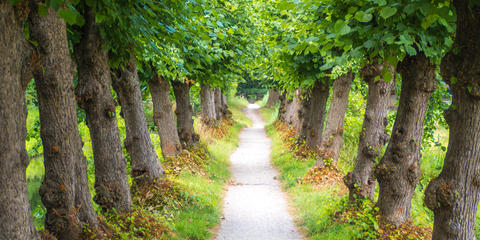
Working Trees™ works directly with landowners to make the transition to silvopasture as simple as possible, and then helps them earn revenue through carbon storage. During to process. Working Trees does helps you does the following with you:
-
Analyzes your farm’s current operations
-
Connects you with a technical service provider who can provide regionally-specific advice (as needed)
-
Helps you finding private and government funding sources to cover the upfront cost of implementing silvopasture
-
Monitors ongoing carbon storage, translating to a steady annual stream of revenue once established (often higher than cash rental rates)
Enterprises
Eligibility
Working Trees is currently accepting applications from farmers into their pilot program. Any pasture or hay farmer east of the Great Plains is eligible as long as their land has been free of trees or shrubs for the last 10 years. When applying, Working Trees will provide a free Land Use Analysis to determine your final eligibility.
Details
Organization
Financial Instrument
Cost Share
Terms
Per-acre establishment money plus optional carbon income, delivered through Virginia Tech's USDA Conservation Innovation Grant (the "ASSETS" program) with Working Trees and Appalachian Sustainable Development:
-
Establishment: "Up to $1200 per acre to cover establishment costs (in select states)."
-
Ongoing: "Optional annual ongoing income up to $90 per acre for carbon credits."
-
Additional upside: "Eligible producers can also pursue additional income via carbon credit sales or delayed timber harvests."
-
Free to explore: "Submit this form for program details. You'll receive a free eligibility check, and if you're eligible we'll reach out to you directly." Support is included — "We provide one-on-one technical assistance to program applicants, ensuring you choose the right species and design for your farm."
-
Current offer is seasonal: "This winter, we're offering funding and technical support to livestock producers who want to get started planting trees in their pastures."
Not published anywhere on the page: which states qualify for the $1,200/acre, any per-farm dollar cap, any acreage minimum or maximum, the length of the carbon or establishment commitment, and whether any match is required. All of that comes out of the eligibility check, so treat the two per-acre rates as the only firm numbers.
Application Instructions
Resources
Related Programs

Acequia and Community Ditch Fund (New Mexico)
New Mexico Department of Agriculture
- GrantWater ManagementConservationLegal & FinanceResearchNM
ACRE3 Agricultural Energy Efficiency
Colorado Department of Agriculture
- GrantCost ShareLoanAlternative EnergyConservationIrrigationStorageGreenhouseCOAny
ACRE3 Irrigation Hydropower Programs
Colorado Department of Agriculture
- GrantCost ShareLoanHydro PowerAlternative EnergyIrrigationConservationWater ManagementEquipmentCOAny

ADM re:generations
ADM
- Environmental MarketCarbon CreditsCarbon CaptureSoil HealthCover CropsClimate-SmartNationalCornSoybeansWheatCanolaPeanuts
Updated September 4, 2026
Image Credit: Wim van 't Einde
This information was gathered from public sources. Ambrook is not responsible for or able to affect the results of any financial programs listed, nor are they responsible for any incorrect information that is listed or is on the hyperlinked external sites. All information is subject to change.
Explore hundreds more programs on Ambrook.