Some studies suggest the Bovaer supplement, intended to reduce methane emissions, may reduce dairy cows‘ feeding behaviors and milk. The cause of the reported poisonings remains unclear.
Authorities in Denmark are investigating claims that Bovaer, a relatively new supplement intended to reduce methane emissions in cows, has sickened animals and reduced milk production in their herds. But separating the conspiracy theories from any actual ill effects could take years, as scientific study of the supplement continues.
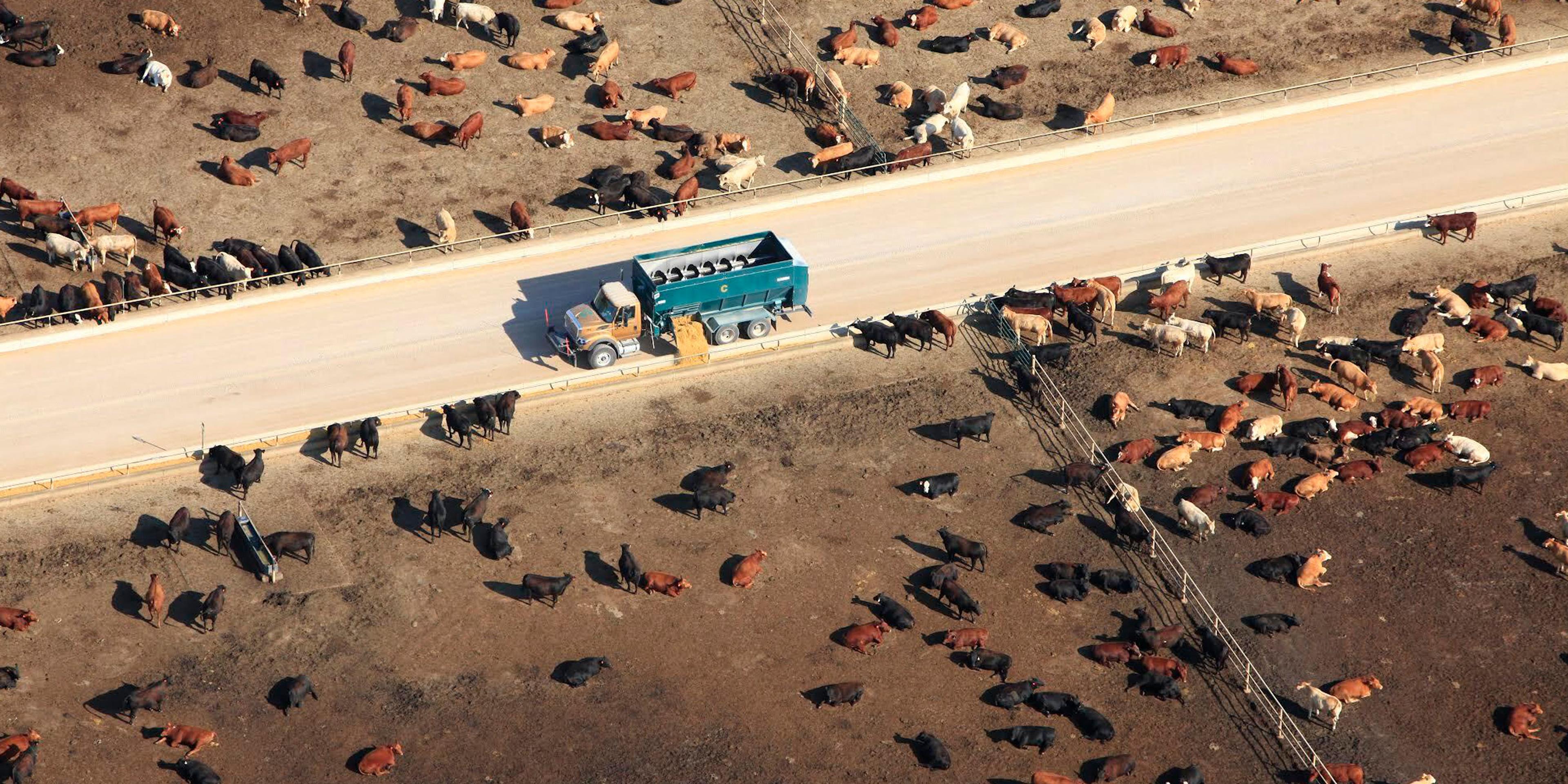

Large numbers of Danish farmers began to use Bovaer on Oct. 1 of this year to comply with a new rule in the country’s Livestock Approval Regulation, according to a November 22 statement by the Danish Veterinary & Food Administration that has since been moved or removed from the agency’s website. As of Nov. 17, according to an official tally, some 400 Danish farmers have reported issues such as diarrhea, fever, “poisoning symptoms,” and other signs of disease in their cows.
Accounts from farmers on social media suggest cows fell ill within days of receiving their first full dose of the Bovaer supplement, becoming unwilling or unable to stand after several days of refusing to eat. But other accounts which frequently express skepticism about climate soon amplified these reports with incendiary language calling Bovaer poison and alleging climate mandates will destroy farming.
Bovaer is no stranger to controversy; dairy products from cows fed the supplement have been subject to boycotts in the UK, mostly driven by conspiracy theories about climate change and tenuous connections to the software mogul Bill Gates, who has invested in other climate-related technologies. Some of those boycotting milk produced from cows using the supplement claimed — without supporting evidence — that it could harm human health.
But Denmark is the first country to experience widespread complaints of health effects in cows since using of the supplement. Aarhus University, a leading Danish educational institution, had launched a study of the supplement’s impact on animal feeding behaviors and welfare earlier this year, before the rash of complaints emerged.
According to SEGES Innovation, a private research firm that is collecting data on the reported illnesses, 419 Danish dairy farmers have reported that their cows are eating less since they began using the supplement. Another 58 farmers report their cows are producing less milk since supplementation began, while 376 farmers say their cows are both eating less and producing less milk. Thirty-nine percent of Danish dairies with more than 50 cows had responded to the SEGES Innovation survey as of Nov. 17.
About three-fourths of survey respondents say the supplement has had a negative effect on their cows, though SEGES Innovation noted on its website that this is likely because the herds that haven’t experienced problems are less likely to report.
About three-fourths of survey farmers say the supplement has had a negative effect on their cows.
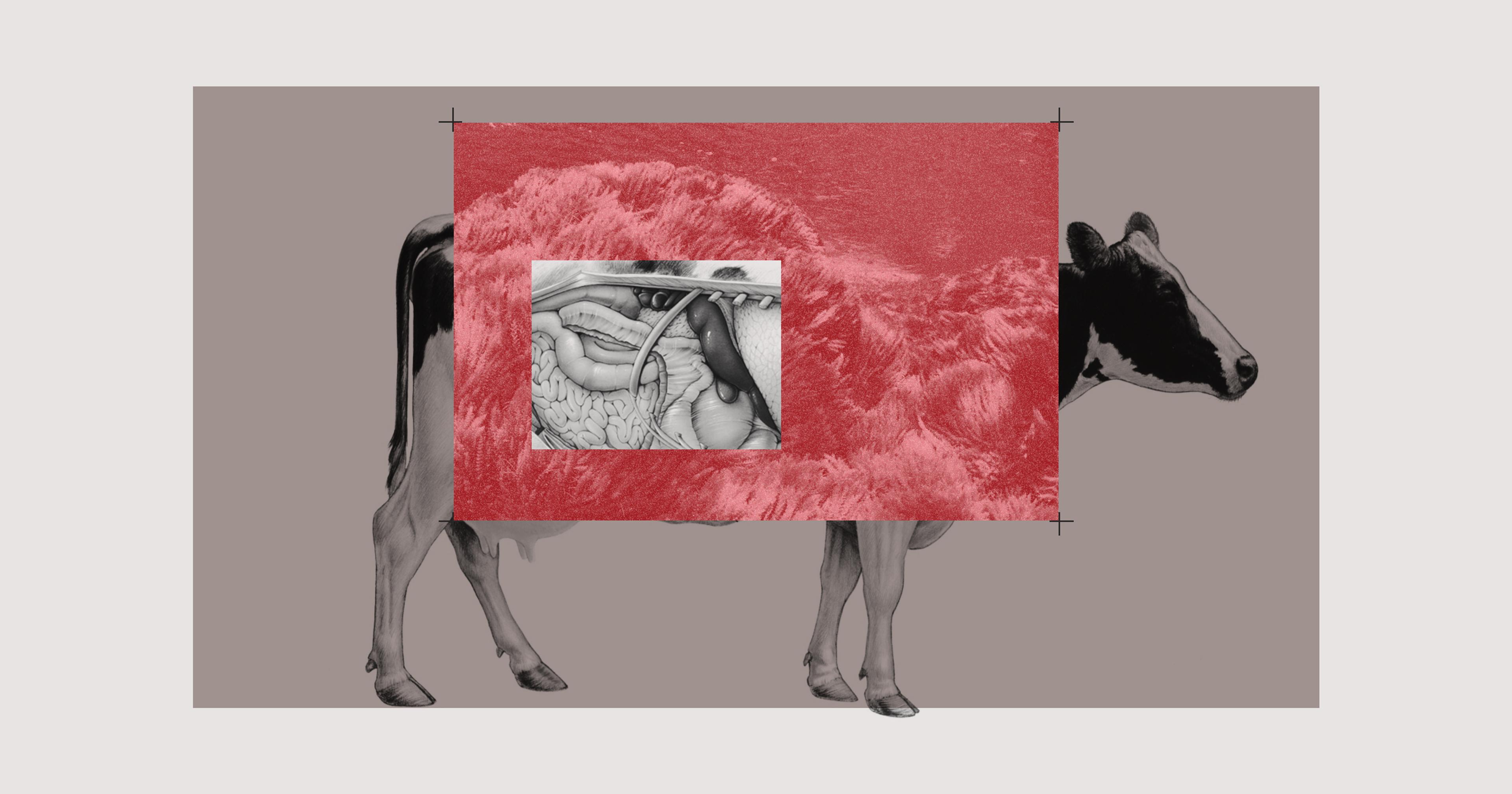
Cows produce methane, a potent but short-lived greenhouse gas, as a side effect of their digestive processes. A Danish mandate requiring dairy farmers to use Bovaer or other dietary supplements known to reduce methane production took effect earlier this year.
Reports of health effects surged in October, when most Danish dairy farmers began to use Bovaer to comply with the mandate, according to SEGES Innovation. Although the supplement was used by farmers prior to October, SEGES collected just 118 complaints regarding the supplement from January to August of this year, and 124 complaints from September.
A spokesperson for dsm-firmenich, the company that manufactures Bovaer, noted that the supplement has undergone 15 years of scientific research and has been approved for use by the European Food Safety Authority. The U.S. Food and Drug Administration also approved Bovaer as safe and effective, and the supplement has been used successfully in diets for more than 500,000 cows in 25 countries, including the U.S., France, the UK, and Spain, according to dsm.
To date, dsm has not received complaints of health effects tied to Bovaer in herds outside Denmark. Additionally, some 400 Danish dairy farmers used Bovaer prior to October 2025 without reporting any ill effects, the company spokesperson said. SEGES Innovation has itself previously conducted trials of Bovaer that showed no signs of negative effects.
“We fully support the Danish Veterinary & Food Administration and Aarhus University’s investigation and encourage all stakeholders to await official findings before drawing conclusions,” the company said in a statement to Offrange. “We agree with the minister that animal welfare is a top priority. We will work with the ministry, farmers, and other stakeholders to get to the bottom of the concerns of these farmers and ensure that we move forward based on the factual evidence.”
“It matters how and under what conditions a feed additive like Bovaer is used in practice.”
Studies of the supplement to date, including those previously conducted by Aarhus University, never identified “the pattern of disease now being described in the media — with fever, diarrhea, and in some cases, dead cows,” Charlotte Lauridsen, head of the department of animal and veterinary sciences at the university, said in a statement when the reports of sick cows began to emerge.
However, a handful of studies, including some conducted at Aarhus, had collected data to suggest that feeding Bovaer might cause cows to eat less feed. Scientists there pushed for a closer look at feeding behavior because “reduced [feed] intake can be an indication of welfare issues,” Jesper Emborg, head of communications for Aarhus University, said in an email to Offrange.
Now, with the results of that study due out in 2028, “I think we would have all liked to be closer to a result,” Emborg said.
Lauridsen said it is possible that differences between real-world scenarios and research trials, which take place under carefully controlled conditions, could result in different outcomes in commercial settings. Factors such as feed composition, management, housing environment, and individual animal temperament could influence how the supplement performs — as could the way in which the supplement itself is dosed and administered.
“You can compare it to being prescribed medication,” Lauridsen said in a statement emailed to Offrange. “If I’m given four pills by my doctor, it’s crucial that I read the leaflet to see whether I should take them all at once or spread them out during the day. Such details make a big difference in how the medicine works. In the same way, it matters how and under what conditions a feed additive like Bovaer is used in practice.”