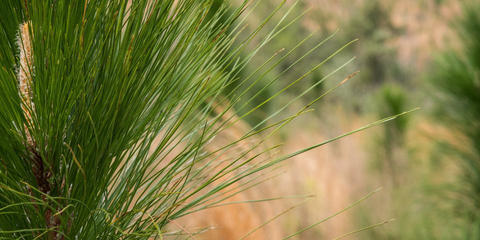
Longleaf pine forests once encompassed more than 90 million acres across the Southeast, stretching from eastern Texas to southern Virginia. These forests represent some of the world’s most biologically diverse ecosystems and are home to nearly 600 plant and animal species, including 29 threatened and endangered species. But over the past two centuries, development, timbering and fire suppression reduced the ecosystem’s range by almost 97 percent.
NRCS works with agricultural producers and conservation partners to restore longleaf forests through the Longleaf Pine Initiative (LLPI), which was launched in 2010. Since 2010, NRCS has helped producers restore more than 870,000 acres on private lands. Together with other conservation efforts, the amount of longleaf pine forests has grown from approximately 3 million acres to nearly 5 million acres during this time, reversing a century-long decline across the region.
Eligibility
-
An official tax ID (Social Security number or an employer ID)
-
A property deed or lease agreement to show you have control of the property; and
-
A farm number.
If you don’t have a farm number, you can get one from USDA’s Farm Service Agency. Typically, the local FSA office is located in the same building as the local NRCS office. You only need a farm number if you’re interested in financial assistance.
Terms
No payment rate, cost-share percentage, payment cap, or contract length is published on the Longleaf Pine Initiative page. LLPI is a targeting mechanism, not a separate funding pot: "LLPI enables producers to make conservation improvements on their forestlands with NRCS providing technical and financial assistance," delivered through the Environmental Quality Incentives Program (EQIP) and the Conservation Stewardship Program (CSP). Your actual dollars come from the EQIP or CSP payment schedule for the practices you install — those schedules are set per state and are not reproduced on this page.
What the page does tell you about how you get paid: "If you're selected, you can choose whether to sign the contract for the work to be done." Then "Once you sign the contract, you'll be provided standards and specifications for completing the practice or practices, and then you will have a specified amount of time to implement. Once the work is implemented and inspected, you'll be paid the rate of compensation for the work if it meets NRCS standards and specifications." In other words: reimbursement after inspection, at a published practice rate, not up front.
One practice is called out as especially favored for this ecosystem — prescribed burning to restore natural fire regimes.
Timing: "Applications for most programs are accepted on a continuous basis, but they're considered for funding in different ranking periods." Ask your local NRCS district conservationist for the ranking-period cutoff. To be checked eligible you'll need an official tax ID, a property deed or lease agreement showing you control the property, and an FSA farm number (the farm number is only required if you want financial assistance).
To get real numbers you must ask your state NRCS office for the current EQIP/CSP payment schedule.
Application Instructions
-
To fill out an AD 1026, which ensures a conservation plan is in place before lands with highly erodible soils are farmed. It also ensures that identified wetland areas are protected.
-
To meet other eligibility certifications.
Once complete, we’ll work with you on the application, or CPA 1200.
Applications for most programs are accepted on a continuous basis, but they’re considered for funding in different ranking periods. Be sure to ask your local NRCS district conservationist about the deadline for the ranking period to ensure you turn in your application in time.
Forms
Related Programs

480-a Enrollment Incentive Program
New York City Watershed Agricultural Council
- GrantNY

A Vibrant Future
International Fresh Produce Association, U.S. Department of Agriculture
- GrantClimate-SmartALCAFLGALABerriesGrapesFruitsVegetables

Acequia and Community Ditch Fund (New Mexico)
New Mexico Department of Agriculture
- GrantWater ManagementConservationLegal & FinanceResearchNM
ACRE3 Agricultural Energy Efficiency
Colorado Department of Agriculture
- GrantCost ShareLoanAlternative EnergyConservationIrrigationStorageGreenhouseCOAny
Updated September 4, 2026
Image Credit: NRCS
This information was gathered from public sources. Ambrook is not responsible for or able to affect the results of any financial programs listed, nor are they responsible for any incorrect information that is listed or is on the hyperlinked external sites. All information is subject to change.
Explore hundreds more programs on Ambrook.