A Georgia peach farmer fiddles with shipping temperatures, hoping customers fall for his tastier fruits
The 2026 Georgia peach season got off to a distressing start. Over two consecutive nights in mid-March, temperatures dropped to 28 degrees Fahrenheit, sending fifth-generation Fort Valley farmer Lawton Pearson and his crew out between the rows of trees with their wind machines. Working these giant fans until dawn to pull down warmer air over branches and young flowers, they managed to save most of the crop from the worst of the frost.
Once temperatures finally climbed back above the chill zone and stayed there, Pearson wondered if his peaches could endure a second round of cold-induced injury, one that had less to do with Mother Nature and more to do with human-devised protocols. It’s what is known in the business as controlled delayed cooling.
According to research conducted by the largest peach farm in South Carolina, peach consumption in the U.S. has declined 50 percent in the last 20 years. Pearson has noticed this shift, too; his farm lost two percent of its national market share of yellow peaches over the last five years, propelling him towards what he called an existential crisis. Some of the drop has to do with annual supply — how many peaches Pearson can grow in a good or bad year. Additionally, there’s fierce competition in grocery store produce departments to secure space among the mangoes and Cotton Candy grapes. But Pearson also recognizes that “We’re missing something between the seat of my truck and your counter in your kitchen.”


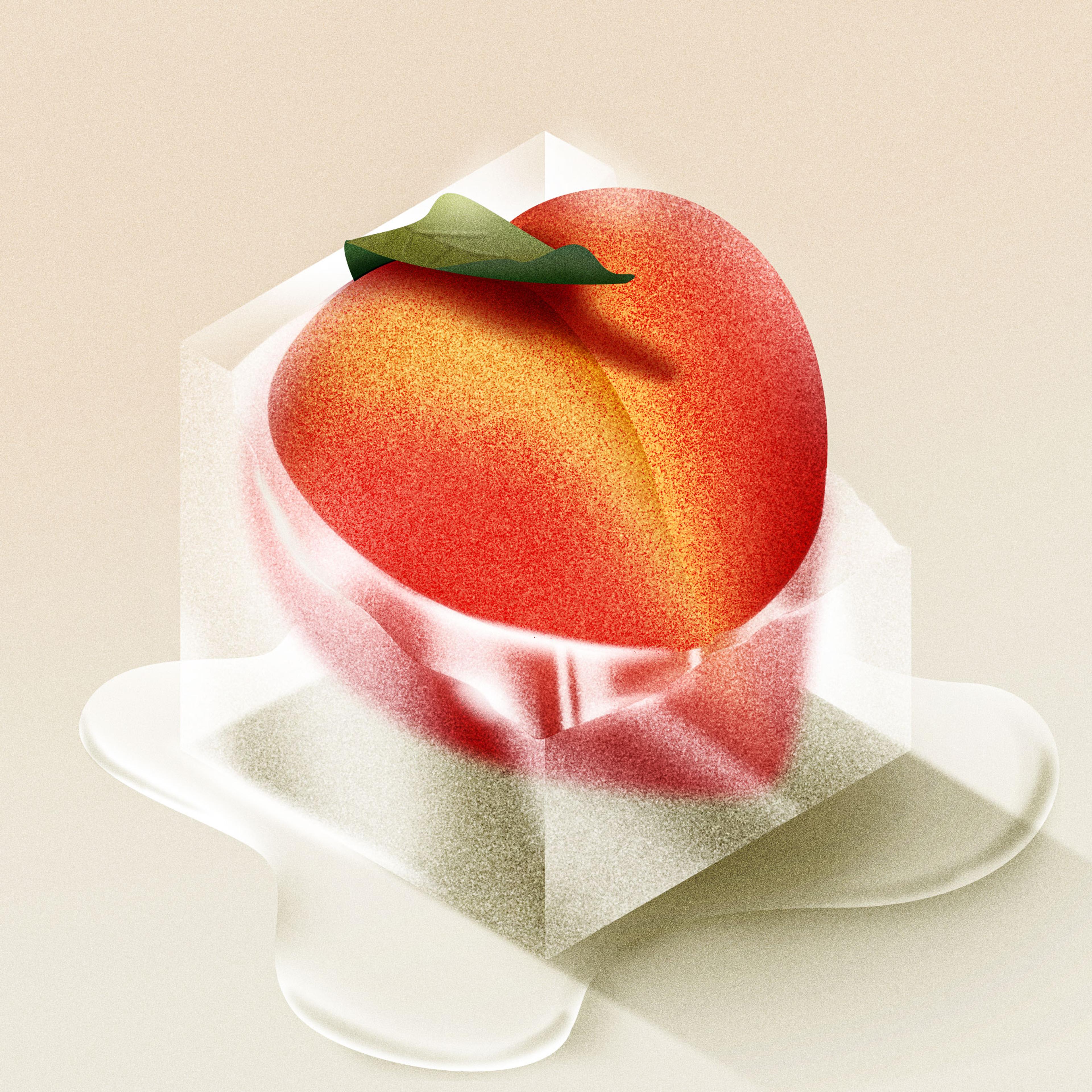
That something is the incomparable sweet flavor of a soft, ripe field peach that sends juice running down your chin. Pearson believes that controlled delayed cooling is the culprit. Meant to keep peaches from ripening too fast while in transit, it’s been the peach industry’s protocol for shipping peaches from rural farms to urban customers for decades. Research from the University of Georgia (UGA) suggests that it may inhibit the classic peach flavor consumers have come to know and love. Pearson aims to change this. He is experimenting with different cooling temperatures for his fruit, hoping he’ll hit on the one that will help him deliver a better peach product. So far, he’s the only farmer trying to figure this out.
Pearson’s peaches are picked while they’re still firm, just beginning to ripen. They are refrigerated in a packing facility near his farm. This preserves their weight during shipping and can extend their shelf life by as much as two weeks —important, since the fruit is trucked as far north as Montreal and as far south as Texas. The facility’s temperature is set to freezing, although Pearson said it’s likely closer to 38℉ due to Middle Georgia’s hot summers.
The peach-shipping process is another place the fruits get over-chilled. Drivers pick up loads in refrigerated trailers called reefers, which are set between 34 and 36℉. Temperatures too close to freezing increase the risk of the reefer malfunctioning and delivering frosted produce — a load retailers are likely to reject when they check product temperature upon arrival. Likewise, if the peaches are delivered too warm, retailers may reject that load and return it at a loss to the farmer.
All this effort to keep the fruit cold is to prevent the release of ethylene, a naturally-occurring plant hormone that triggers ripening “like a waterfall,” said Lawton. If you’ve ever noticed how quickly a peach can go from perfectly ripe to mushy, you’ve observed how fast this metabolic process can happen. Chilling the fruit slows down that process; it also eliminates some of a peach’s natural aromas.
The cold, combined with packing houses’ lack of humidity — “It’s sucking the life out of the peach.“
Angelos Deltsidis co-conducted that UGA research during the 2025 peach season. His findings turn the old, cold standard on its head. Three popular peach varieties — Blaze Prince, Rich Pride and O’Henry — were stored at different temperatures. The effects on the fruit’s firmness, weight, color and acidity were then measured in one-week increments, along with changes in decay and chilling injury. Peaches stored at 50℉ better maintained their aroma and the typical sugar levels that unfold with ripening. Peaches held between 36 and 46℉ — the standard throughout the produce shipping industry — had the worst flavor outcome. Deltsidis calls that temperature range the “killing zone.” Within this 10-degree span, peaches also turn brown quicker and take on a leathery, mealy texture.
“That peach doesn’t want to be refrigerated,” Pearson said upon learning of these findings. The cold, combined with packing houses’ lack of humidity — “It’s sucking the life out of the peach.”
Pearson and his sales manager and cousin, Will McGehee, set out to conduct an experiment of their own. They shared the UGA research with three customers, in the Southeast, in Ohio and in the Upper Midwest. These buyers agreed to participate in a trial in which most peaches would be shipped to them at the current industry standard of 34 to 36℉, with a few loads shipped at 50℉. They would compare customer response to the cold-shipped peaches versus those sent warm. The results were notable.
When produce aisles were stocked with the warmer fruit, personnel and customers reported that they could smell peaches as they shopped, “which is not something we hear anymore,” McGehee said. In fact, he said it led to increased peach sales. Participating buyers thought the trial went so well that one of them, a major grocery chain with thousands of stores across the U.S., asked Pearson Farms to expand it for a second peach season to more of its distribution centers.
Although it seems like an easy and logical fix for what ails the Georgia peach industry, keeping peaches at higher temperatures creates new challenges. Shrinkage, or the weight reduction that occurs during shipping, happens more rapidly when peaches are held at 50℉. Faster-ripening fruit also has a shorter shelflife. “Storing fruit at 50℉, if you want to hold them for a month, it’s not going to work,” Deltsidis said. Adjustments to the way peaches are held and shipped would be necessary to make warmer peaches a possibility, but no one is clear about how to do that efficiently.
It doesn’t help that some peach farmers remain un-swayed by the new data, if only because they believe updating years-old protocols dictated by peach distributors will be an uphill battle. With the exception of the single-fruit inventory that is shipped to giant chain grocers, most buyers have to load trucks with other produce, too. Altering that “would be a…drawback for some people,” said David Sherrod, President and CEO of the Southeast Produce Council. “They’ve got to maximize their load because freight’s so high.”
Deltsidis is continuing his research with another round of cold storage and taste testing. Pearson will be awaiting the results. His ultimate goal is to find the right balance between shipping temperature and efficiency. He also wants to reintroduce to customers the joy of smelling a peach’s sweet aroma — and trigger impulse buys of the once-favored fruit. “That’s how we get people eating more peaches, ” said McGehee.