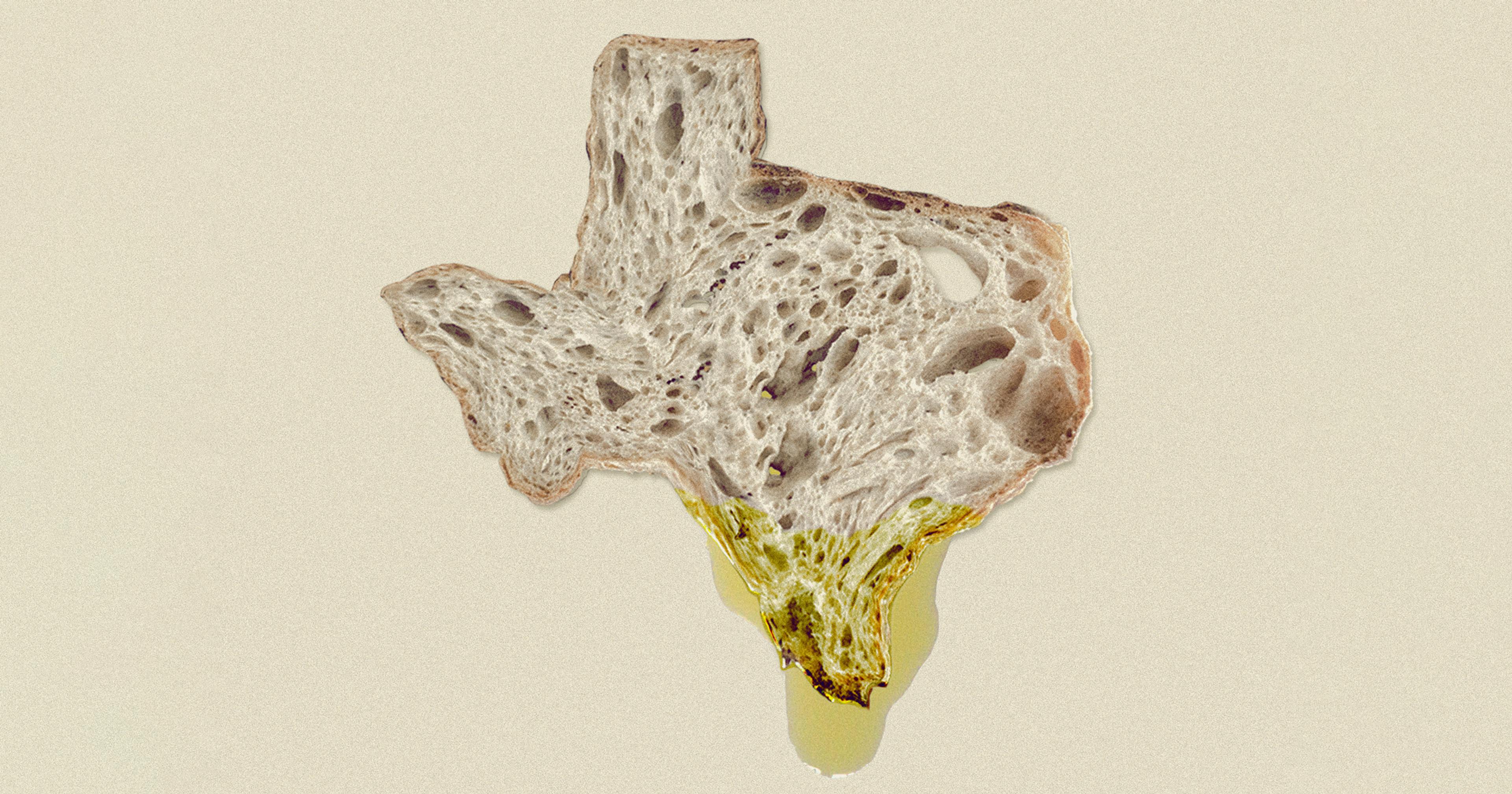
As Japan’s liquor companies slowly lose traction at home, Japanese-style spirit production is picking up steam here.
Be it gastronomy, video games, music, or gardens, Japan’s soft culture is an undeniable powerhouse in the U.S. Since 2012, inbound tourism to Japan has also substantially increased; what was roughly one million U.S. travelers visiting in 2012 nearly quintupled in 2025. And, as younger generations become more open to new flavors, these factors firmly complement the rise of Japanese liquor producers in the United States.



Before going further, let’s clear something up: The way many of us have used the term sake is misleading. In Japanese, sake simply translates to “alcohol.” That said, the remainder of this article will adhere to the international definition of sake, which specifically refers to rice wine, otherwise known as nihonshu.
As of 2023, sake sales have only mustered about 0.2% of the total U.S. liquor market. Nevertheless, as enthusiasm for Japanese cuisine continues to grow — 2023 saw a 6% increase in the number of Japanese restaurants and bars — a greater interest in Japanese liquor is following suit, with sake being the front-runner. As a result, there are nearly 30 sake brewers in the United States alone, more than anywhere in the world save for Japan.
Even as liquor consumption in Japan decreases, a number of U.S. producers have been tackling that industry hammer and tongs. It could be said that the goal is twofold: to introduce sake — and its sweet potato-based cousin, shochu — to more Americans, and to hopefully rekindle an interest back in Japan. If U.S. makers can demonstrate they are keen to carry on Japanese brewing traditions, availing of local terroir and raw materials, perhaps a domestic resurgence will be inspired.
Rice, Rice, Rice
The Sake Brewers Association of North America, founded in 2019, notes that the earliest known record of an American sake producer dates to 1902, when Japan Brewing Co. was founded in Berkeley, California. They were also known to have used rice from Texas and Louisiana, though one of the most dominant American-grown rice cultivars for sake is a California original.
Calrose, a portmanteau of California and rose (signifying medium-grain rice), was created in 1948 by the Rice Experiment Station, an organization established in 1912 under the aegis of the California rice-growing industry. Calrose became so successful that it now comprises 85% of the entire California rice output. Like the popular Japanese cultivar Yamada Nishiki, Calrose benefits from an isolated starch component in the center of the grain, called shimpaku (meaning “white heart”); this shimpaku begets a streamlined fermentation process.
The dominant rice producer for American sake is Zero Grade Farms, better known as Isbell Farms. Counting more than 70 years of experience in harvesting rice, this Arkansas-based operation is now a giant in our sake supply chain. Arkansas, which holds the number one spot in domestic rice production (about 45%), continues to see farmers adapt to the growing niche of sake rice.
Zero Grade Farms has been doing this for over two decades, specializing in cultivars originally found in Japan, namely Yamada Nishiki, Omachi, Wataribune, and Gohyakumangoku. Per Mark Isbell of Isbell Farms, one reason that brewers continue to work with his team is because of their expertise in rice polishing, something crucial for sake production. To that point, the degree to which sake rice is polished (i.e., the hull and bran are removed) denotes the type of sake produced. Honjozo, or specially brewed sake, uses rice polished 70% or less, ginjo at 60% or less, and daiginjo at 50% or less.
But in spite of sake being the best-known Japanese liquor in the United States, it’s not even the preferred tipple in Japan. Bradley Levine, owner of Full Proof Bottle Shop in San Francisco, remarked, “I have had one person inquire about shochu, another one ask for an umeshu, and a few people asking for sake.”
Indeed, after beer, Japan’s most popular alcoholic drink is shochu, which in 2020 accounted for slightly over 15% of total alcohol consumption in Japan; sake was a mere 4%.
Sweet Potatoes and Plums
Recent changes in legislation in New York and California have fostered growth in the relatively unknown shochu market. Coincidentally, this was worsened by the fact that for years, shochu was sold in California under the completely misleading, arguably inferior title of Korean soju. That is to say, countless consumers may have already tried it, without having known what they were drinking.
Osaka-born Ken Hirata first visited Hawai’i more than 30 years ago when a taste of poi — Hawaii’s answer to nondairy yogurt made of fermented taro root and water — stayed with him. Hirata eventually moved to Kagoshima, the largest city in southern Kyushu, and home of the sweet potato shochu industry, to train for three years with a local distiller. He and his wife then moved to Oahu, where he became the founder and touji, or master brewer, at Hawaiian SHOCHU Company.
Despite “importing” rice from a small family farm in California, one major benefit to producing imo shochu, or sweet potato shochu, in Hawaii is that the growing season is year-round; Hirata can then produce two batches every year, as opposed to one batch in Kyushu. Not to mention, while the ossified production methods in Japan use specialized sweet potatoes grown specifically for shochu, Hirata uses varieties that can also be found on the plate.
Even less well-known than shochu in the United States is umeshu, mistranslated as “plum wine,” but really made from the fruit of the Prunus mume tree (more closely related to apricots). Nate Darling of Northern California-based Pekut and Carwick Independent Bottlers, said the production of umeshu is “very similar to barrel-aged spirits like whiskey and rum, except that the oxidation, esterification, and extraction that take place during barrel maturation is happening between the distilled spirit and fruit, rather than oak.” His business only sources ume from organic or no-spray California orchards, since a pesticide on the rocks would be no treat. Darling added that what is most important in making umeshu isn’t so much the type of ume as the availability, size, and degree of ripeness when picked.
Undoubtedly, U.S. ag production can easily support a burgeoning zeal for Japanese spirits. No matter the faithfulness to longstanding Japanese production methods, it all starts with Hawaiian sweet potatoes, Arkansas rice, and California ume. Indeed, no adage in farming or brewing is more apt than that of Ken Hirata: “We don’t make [shochu] at our own pace. We make it at the pace of the sweet potatoes.”