As invasive grasses gobble up native shrublands and forests, they can make prescribed burns too risky to deploy.
The flames, distant at first, move fast as they consume tall, thick tufts of brown cogongrass, an invasive plant native to southeast Asia. The flames burn so high and so hot that when they approach an outcropping of pine trees, the trees don’t stand a chance. In an instant, fire has enveloped the lower branches, then the crowns, denuding the trees and turning their trunks into sooty spikes.
Prescribed burns, in which humans purposely set fire to a landscape to boost native plants and minimize non-natives, have long been embraced by Indigenous fire stewards. The practice has also slowly gained favor with the U.S. agencies tasked with protecting people and property from devastating wildfires.
But around the country, worsening incursions of intensely flammable weeds like cogongrass complicate the idea that prescribed burns are always a commonsensical, cost-effective fix for decades of misguided fire suppression. These invasive plants, some of which can withstand much hotter and more frequent fires than the natives they easily outcompete, are morphing ecosystems to favor themselves, making them ever-more more prone to the wildfires that help them proliferate.
It’s an endlessly repeating feedback loop.
Nationwide, one likely underestimate finds that invasive plants have taken over 133 million U.S. acres and are consuming 1.7 million more acres every year — costing some $26 billion in management, damages, and lost productivity. Although many native plants benefit from low- and moderate-intensity fires, which crack open their seeds and trigger germination, some non-natives can withstand hotter, more frequent flames.
“That’s how they’re spreading so well,” said Jutta Burger, science program director at the California Invasive Plant Council (Cal-IPC). If you use controlled burns where these plants have taken hold, she said, “You’ve just stimulated billions of [invasive] seeds to emerge from the seed bank.” In some cases, the practice has become “a very limited tool,” if not an ecological detriment. “If you have an environment where you’ve already got an infestation,” Burger said, “and you put a controlled burn through it, you need to be thinking about, is that the best thing to do?”
Over millennia, fire return intervals — that is, how frequently wildfires scorch an area — evolved with plants. Northern Wisconsin’s black spruce forests once experienced fire every 105 to 145 years so it’s no surprise that they are largely pyrophobic — fire thwarts their flourishing. On the other hand, prairie flowers of the northern Nebraska Sandhills were rejuvenated by a five-year fire cycle that cleared piles of dead grasses to let in sun and turned soil nutrients to beneficial ash. Invasives can usher in type conversion — that is, transforming a deep-rooted perennial system that experiences infrequent fires to, say, an annual dominated system that’s rejuvenated by frequent fire and “doesn’t need anything except for light and water,” Burger said.
One such plant is cheatgrass, whose “entire goal in life is to produce more seed to continue the population,” said Brian Mealor, rangeland weed scientist at the University of Wyoming. “It matures very early in the growing season, and as it senesces and dies off, it produces a continuous fine fuel load that is very flashy and easily ignitable.”
“If you’ve already got an infestation and you put a controlled burn through it, you need to be thinking about, is that the best thing to do?”
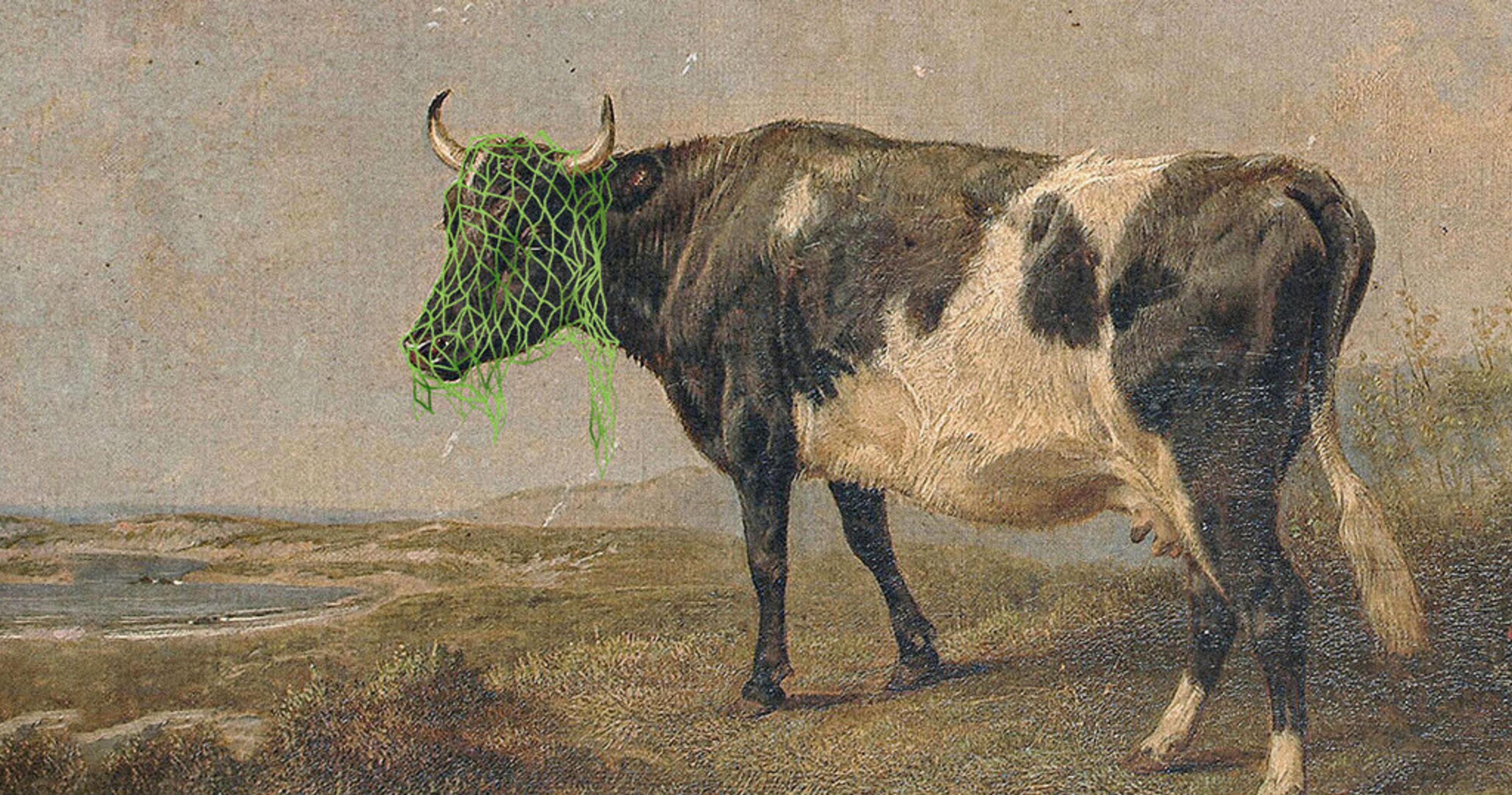
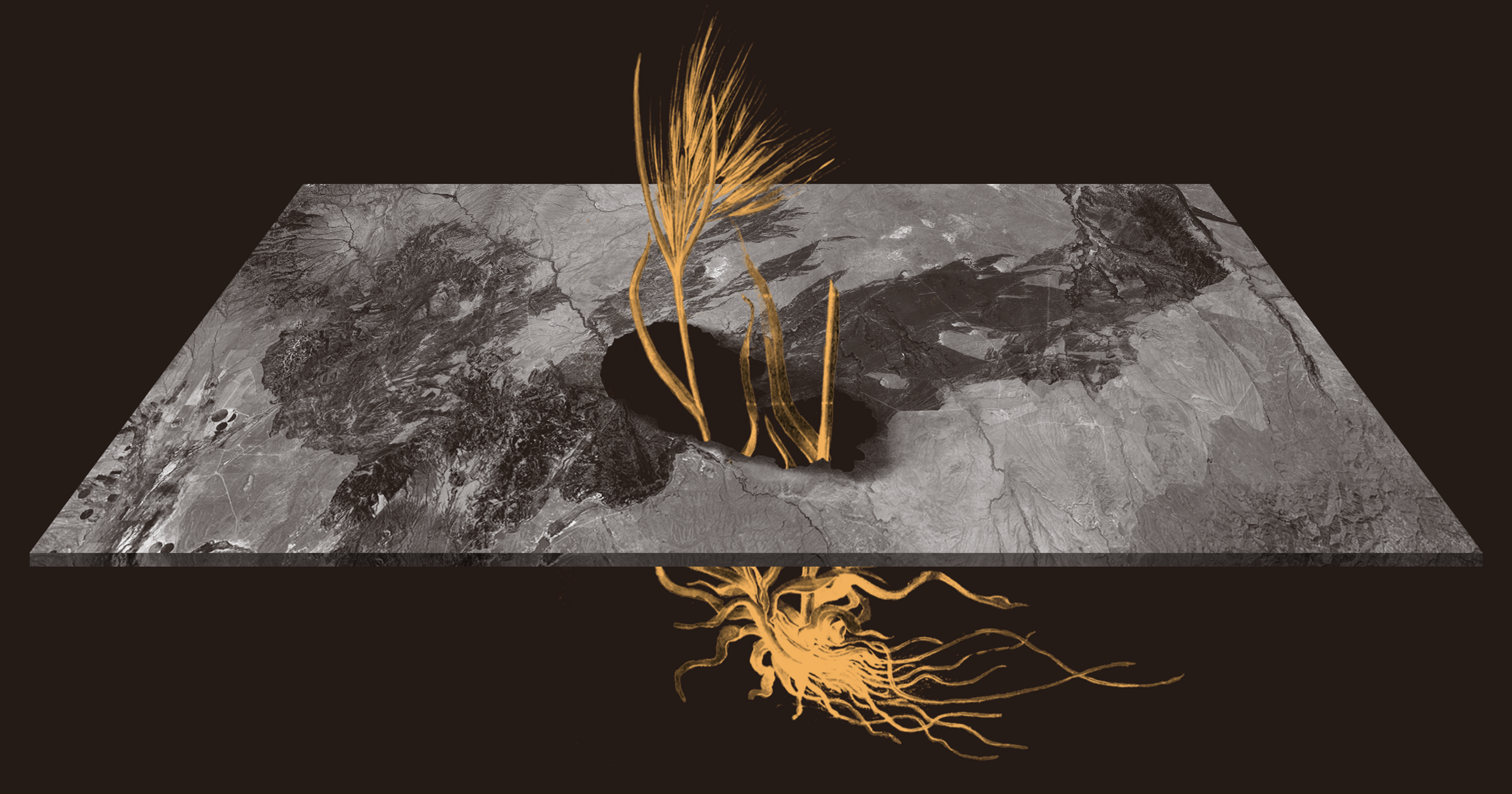
Introduced accidentally to the United States in the mid 1800s, cheatgrass has consumed huge portions of the Great Basin’s sagebrush steppe. This ecosystem, which stretches across most of Nevada and parts of Utah, Idaho, California, and Oregon, was accustomed to fire every 50 to 100 years; it’s declined by about 50 percent since cogongrass turned up. Prescribed burns have been used to improve rangeland for cattle (cheatgrass makes for poor forage) and to boost native steppe plants more generally. Since these do not re-sprout after fire, they have to “re-establish from seed,” Mealor said, “and it takes a long time.” Current fire interval: every three to five years, which has only ushered in more cheatgrass and fire.
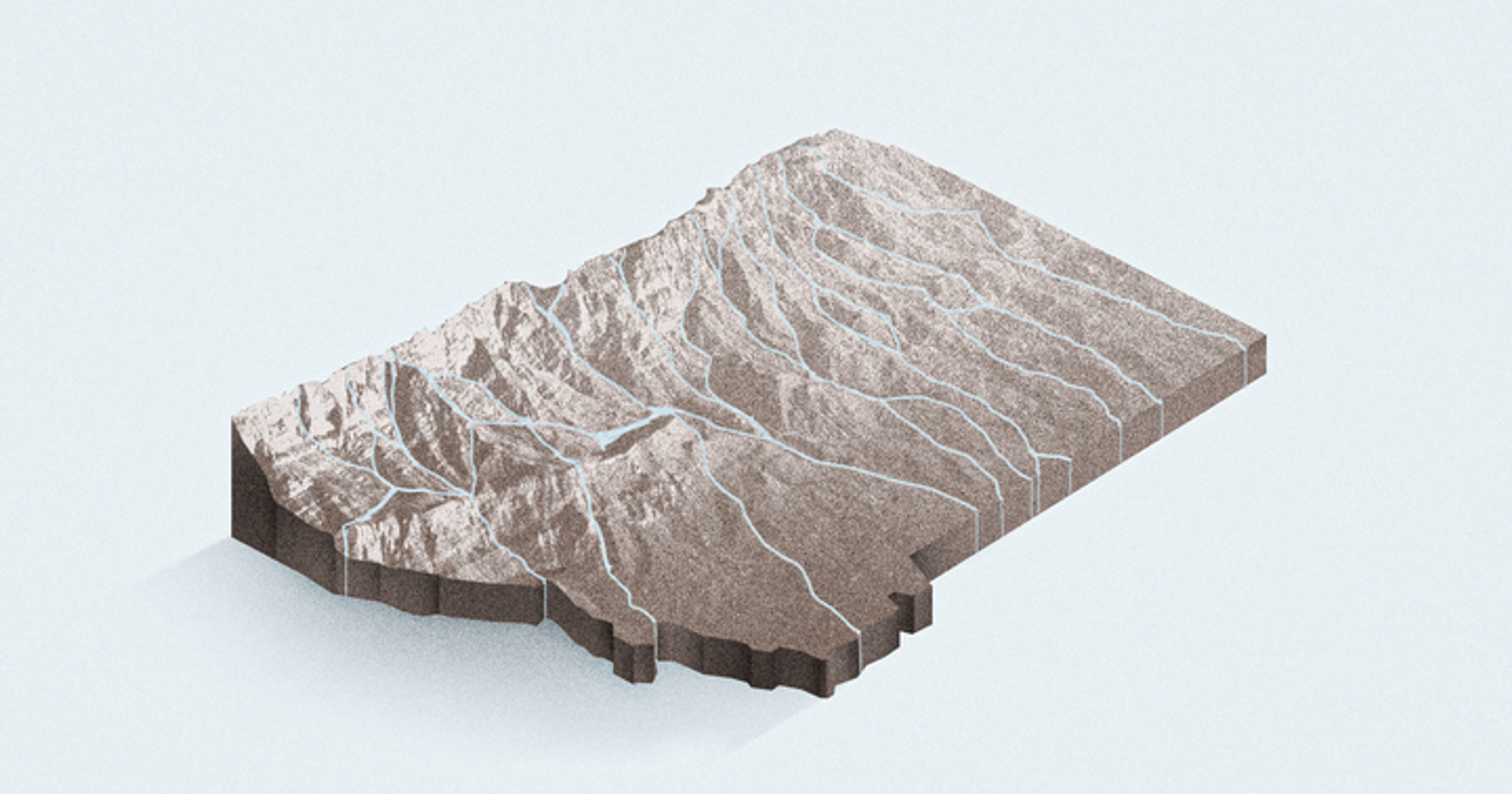
To help land managers understand how to tackle invasions, researchers have collaborated for years to map the steppe and its ecoregions, overlaid with microclimates, aridity, and both native and invasive plant communities. This work shows that patches of the lower, warmer, and drier elevations of the southernmost Central Basin region are the areas most imperiled by prescribed burning; the practice should be suspended in them.
“You need to have a healthy ecosystem to be ready for fire,” said Eva Strand, professor emerita of rangeland and landscape ecology at the University of Idaho, who has worked with the sagebrush strategy group. That means having at least 20 percent of the land covered in native grasses to ensure there’s enough of their seed in the soil to out-compete cheatgrass after a burn. Katherine Wollstein, rangeland ecologist at Oregon State University, encourages the ranchers she works with to think in a nuanced way about eradicating cheatgrass on their grazing lands. “What plants can tolerate the level of disturbance that prescribed fire creates? What is going to be that plant community’s response to fire? If it is negative … then prescribed fire [maybe] isn’t the right tool for you.”
Meanwhile on the East Coast, invasive cogongrass and stiltgrass are blazing through deciduous forests. Attempting to eradicate them with burns can be a fool’s errand. Luke Flory, invasion ecologist at the University of Florida, conducted a study in the Big Oaks National Wildlife Refuge in Indiana, where prescribed burns are common. He found that stiltgrass made those fires burn extra-hot and long, significantly inhibiting native tree regeneration — and likely favoring more stiltgrass invasion.
But stiltgrass, Flory says, is benign compared to cogongrass. “The density of invasions, the amount of biomass, the fuel loads … If you get a prescribed fire that goes into a cogongrass-invaded area, it can kill every tree, it can kill huge trees.” Flory ran an experiment to test how drought and cogongrass invasion interacted when longleaf pine forests burned. One of the most endangered forest ecosystems in the U.S., longleaf pines evolved with frequent, low-intensity fires.
“If you get a prescribed fire that goes into a cogongrass-invaded area, it can kill every tree, it can kill huge trees.”
But in recent decades, the rapid spread of cogongrass, bolstered by climate-change-induced drought, has made any fire dangerous to these trees. First, drought causes the trees to grow shorter than usual. Then when fire is set to the cogongrass in the understory, flames surge to engulf treetops. Almost half of the longleaf pines exposed to fire in Flory’s experiment died from these extreme conditions.
The threat of invasives is even more dire in Hawai’i. Introduced by humans and helped along by habitat disruption, non-native plants now occupy almost one-quarter of the land in the state. One of the widest-spread invasives on the Big Island is fountain grass, an African ornamental that skipped out into the wild from where it was being cultivated and now has consumed at least 200,000 acres. The grass is pyrophytic (it adapted to resist fire), ranking .99 on a scale of 0 to 1 on the Hawai’i Weed Fire Risk Assessment. In a region where wildfires were once uncommon, areas dominated by fountain grass now burn roughly every eight years, contributing to the loss of 90 percent of Hawaii’s dry forest.
Research suggests that some prescribed fire might help control fountain grass. But the Hawaiian islands are home to so many rare plants — 366 are federally listed as threatened or endangered — that burning is often too dangerous to attempt. A’e trees are one of those rarities, with only eight left in the wild. One fire set to surrounding invasive grasses, said Elliott Parsons, a specialist with the Pacific Regional Invasive Species and Climate Change Management Network, based at the University of Hawai’i at Manoa, “could lead to the extinction of the species.”
So what tools are available to rein in these greedy, combustible plants — and lessen wildfire risk in the process? “We know roads are starting points for invasive plants to get established,” says Cal-IPC’s Burger, “so have a botanist or citizen science person [scout] them regularly.” In a similar vein, Parsons says the community-science app iNaturalist has become a favorite early-detection tool for land managers, who send taxonomic experts to patrol places with invasive sightings, to tamp the weeds down before they proliferate.
Intensive livestock grazing that specifically targets invasives might stimulate more native plant growth in some scenarios. Fire-resilient buffelgrass is now ubiquitous across West Texas’s Trans-Pecos grazinglands, where it’s pushing out natives like little blue stemgrass. Buffelgrass “grows in heavy clumps that take out nutrients and water meant for native grasses,” said David Brooke, prescribed fire coordinator for Texas A&M’s Department of Rangeland, Wildlife and Fisheries Management. But he’s seen progress in weakening it with cattle grazing, followed by applications of grass-specific herbicides.
Livestock, though, can degrade landscapes. So, for a restoration of Hawai’i’s Pu’uwa’awa’a Ahupua’a State Forest Reserve, miles of fencing was built to exclude livestock from areas that contained endangered plants; fountain grass was also cut with a weed whacker and native seedlings were planted to push non-natives out. After a multi-year effort, fountain grass was largely vanquished from some restoration areas after much labor, time, and expense. But “the phenomenon of re-invasions is real,” said Parsons, with invasives just waiting for a brief span of human inattention to attack again. He notices new fountain grass sprouts in restoration areas every year. “It’s something you can never walk away from,” he said.