Increased antibiotic use in livestock has dire impacts on human health. The effects are also turning up in wildlife.
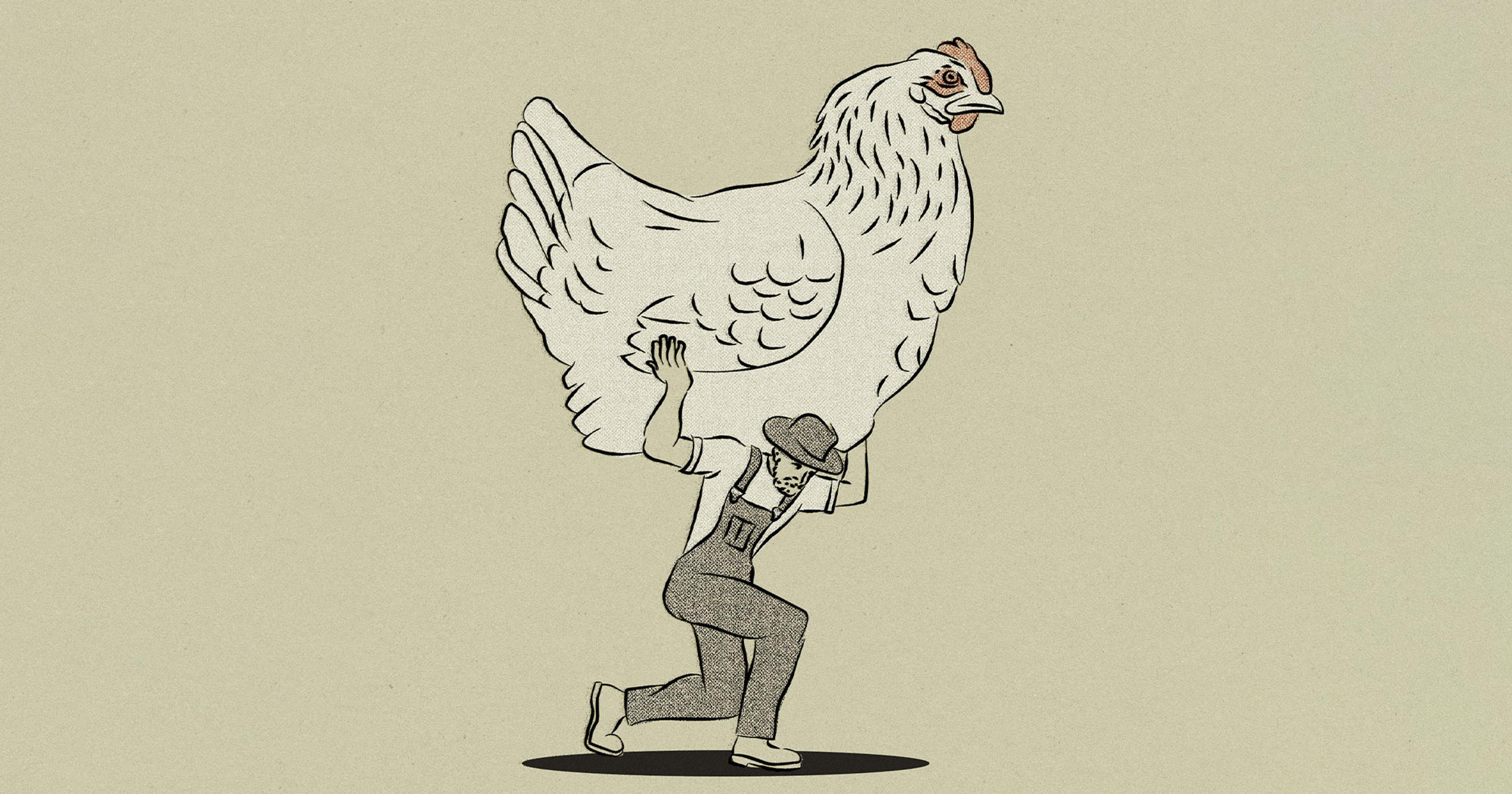
To dose or not to dose? Since 2024, after almost a decade of declines, U.S. poultry and livestock producers have been answering this question with a resounding affirmative when it comes to treating their animals with antibiotics. The drugs are (mostly) added to food for chickens and turkeys, hogs, cattle, and farmed fish, to treat bacterial infections and to act as a prophylactic against them.
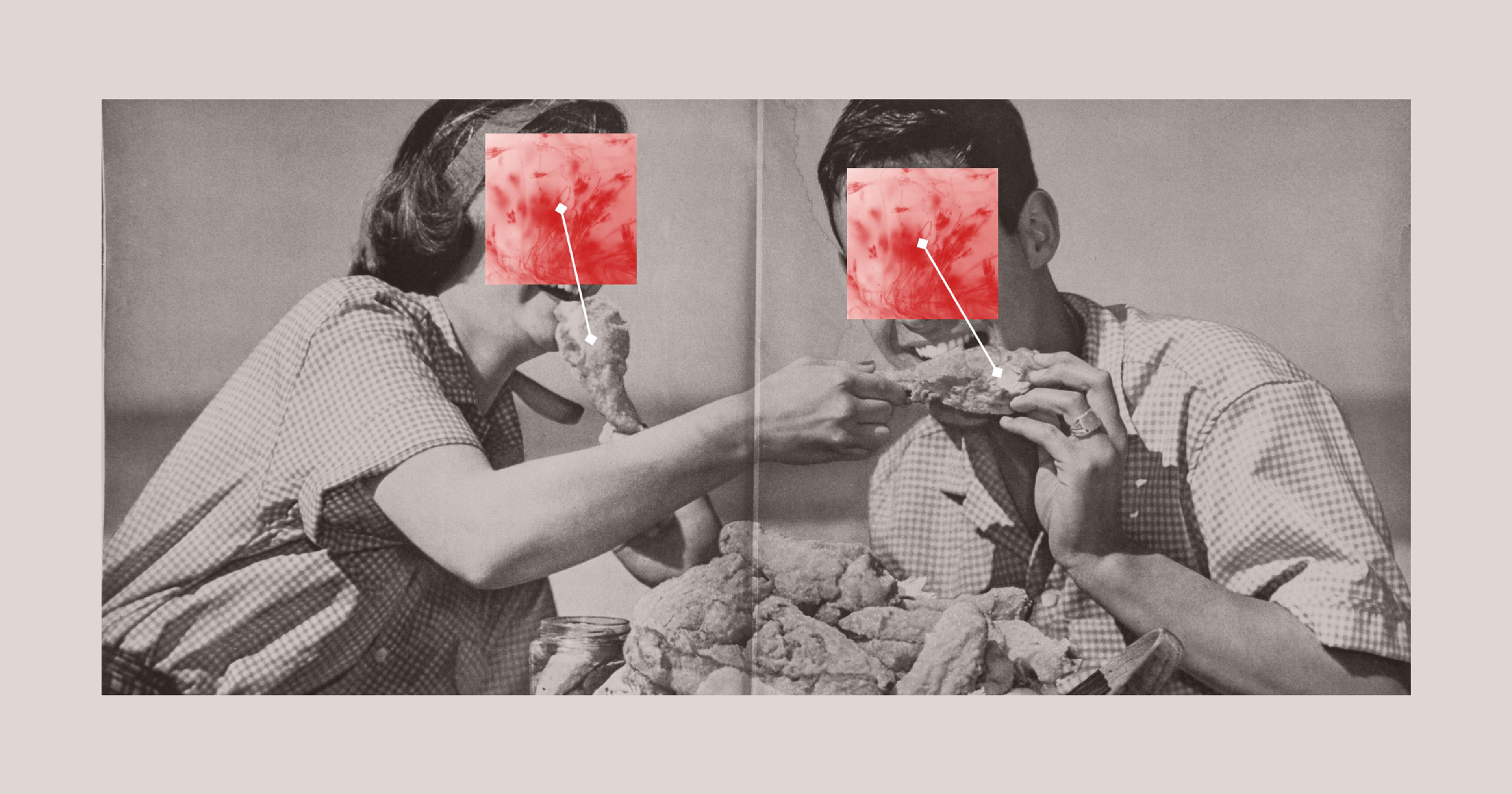
They’re spiking despite a 2017 rule enacted by the Food and Drug Administration that prohibits their use to boost growth rates, and requires farmers to secure prescriptions—from veterinarians for meds that are also necessary for treating people—aka medically important antibiotics. As Offrange has covered on its pages before, this makes the livestock industry at least partly culpable for the precipitous rise in antimicrobial-resistant infections in humans—currently at 2.8 million a year, resulting in some 35,000 deaths.
Antimicrobial resistance (AMR) means that some of the 268 drugs doctors use to treat everything from strep throat to life-threatening staph infections are ineffective. We’re at risk of developing AMR when we eat meat that’s contaminated—and when we interact with animals (or feces) infected—with resistant bacteria. We’re also exposed to resistant bacteria in the environment, since bacteria shed from poop infiltrates soil, leaches into water, and spreads far and wide. In the past few years, another possible pathway to AMR has been identified by researchers: through the wild animals that live near and travel through livestock operations.
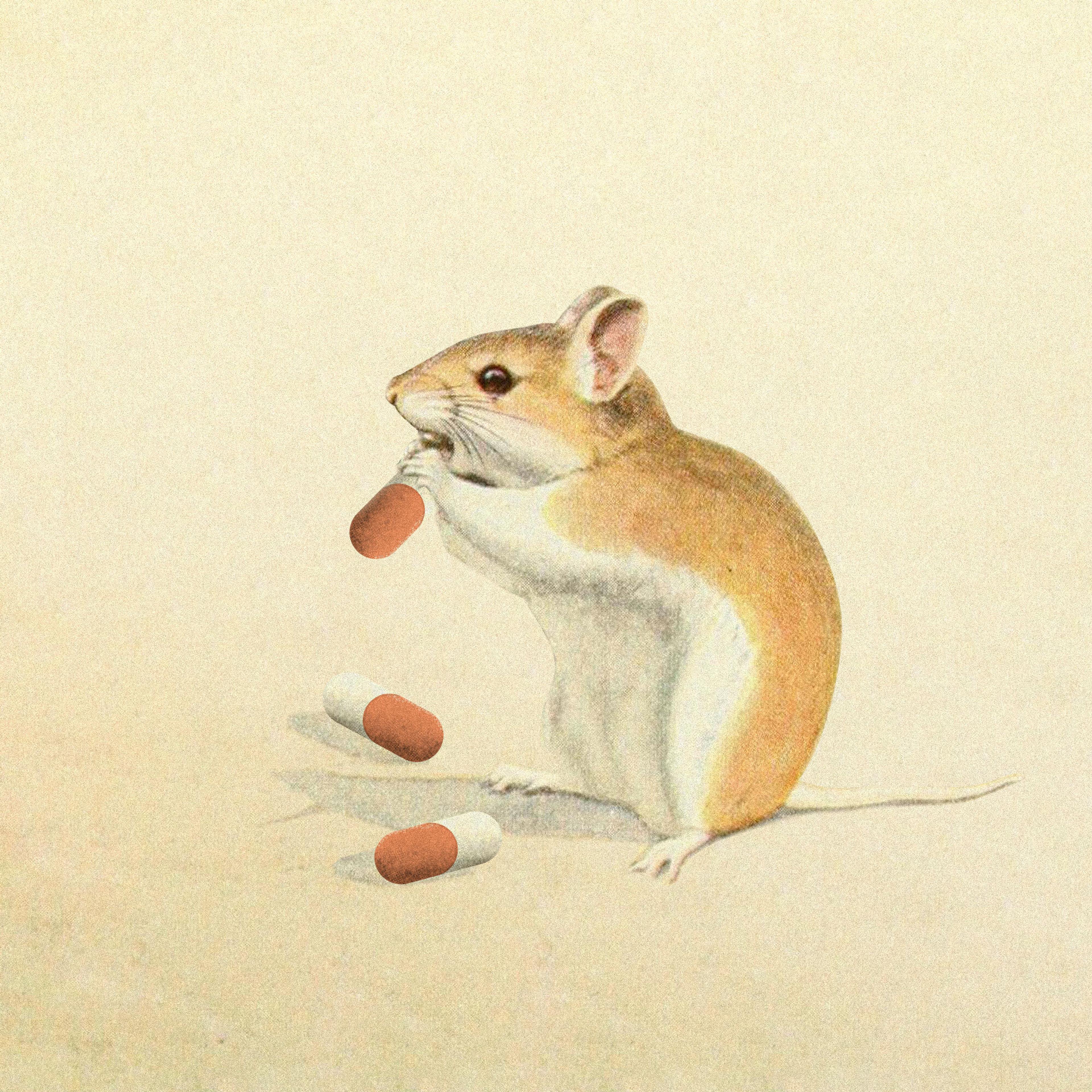
Globally, AMR has so far been found in roe deer, lynx, chamois, martins and pole cats, wild boar, foxes, wolves, jackals, sea turtles, iguanas, badgers, hedgehogs, roaches, aquatic animals like otters, rats, and, as reported in the summer of 2026, the gut microbiomes of 875 mice captured in Germany. A Swiss paper from 2025 found that it’s also turning up in many types of migrating and non-migrating birds; of 83 species tested, 24 contained resistant genes, including mallards, crows, gulls, pigeons, buzzards, and cormorants.
“Use more antibiotics and you get more resistance, and it’s going to go where it goes,” said Steven Roach, director of the Safe and Healthy Food Program at Food Animal Concerns Trust (FACT). He’s not sure what to attribute the uptick in use to, although the poultry industry in particular indicates it’s due to secondary infections after exposure to animal diseases like avian metapneumovirus (itself not treatable with antibiotics) and skyrocketing incidences of gangrenous dermatitis.
“Use more antibiotics and you get more resistance, and it’s going to go where it goes.”
According to Neil Vezeau, assistant professor of epidemiology at Lincoln Memorial University in Tennessee, “Wildlife species are recipients of, and in that role can be sentinels of, antimicrobial resistance,” showing us where this condition is proliferating. This resistance pools around livestock operations, as well as crop farms that spread manure—the bigger the operation, the bigger the problem.
Despite the fact that the consequences of AMR turning up in wildlife are poorly understood, the connection has also been under-studied, said Hannah Connor, environmental health deputy director at the Center for Biological Diversity. To date, research dollars have been funneled more towards impacts to humans based partly on the assumption that “because wildlife are not dosed with antibiotics commonly, the spread of AMR into those populations was less likely to occur,” she said. But in the studies that have been conducted so far, scant though they may be, that’s “not what we’re seeing.”
Those studies have yielded some important data. For example, omnivores and carnivores show the most resistance to antibiotics, especially to classes of penicillins and tetracyclines—some of the most-used antibiotics for humans. That means the common act of predation could turn out to be a further and impactful means of spreading resistance, and it’s why Connor is concerned about the presence of AMR in mice and other rodents especially: They’re primary food sources for a wide array of birds and mammals. Monitoring the presence of AMR in wild animals, studying how resistance works in their bodies, and figuring out how they’re being exposed “are crucial measures in addressing this issue,” Portuguese veterinarians concluded in a 2023 review paper. At the moment, these active questions are getting short shrift.
That also means animal advocates are left to speculate about exactly how AMR is spreading to wild animals. One way, Connor said, is via manure lagoons at hog operations, which are usually uncovered and often host flocks of avians on their surfaces. Turkey operations ventilate straight out into the open, and antimicrobial resistance can also move via contaminated dust. Another potential AMR route is the thousands of chickens that are “depopulated” when there’s a disease outbreak at a confinement facility. In places like North Carolina, trench burials are common and these can cause resistant bacteria to enter both water and the wild animals that predate chicken carcasses. “There are some pretty obvious exposure pathways,” Connor said.
Connor is concerned about the presence of AMR in mice and other rodents especially: They’re primary food sources for a wide array of birds and mammals.
Researchers who are looking for resistance in the wild are finding significant amounts of it. That Swiss study detected E. coli in the vast majority of samples taken from 37 different species, with almost 11 percent of those infections resistant to one or more antibiotics. Another study just this year, of coyotes—animals that move nimbly between wild and human-centric environments—found multi-drug resistance in 74 percent of collected scat samples.
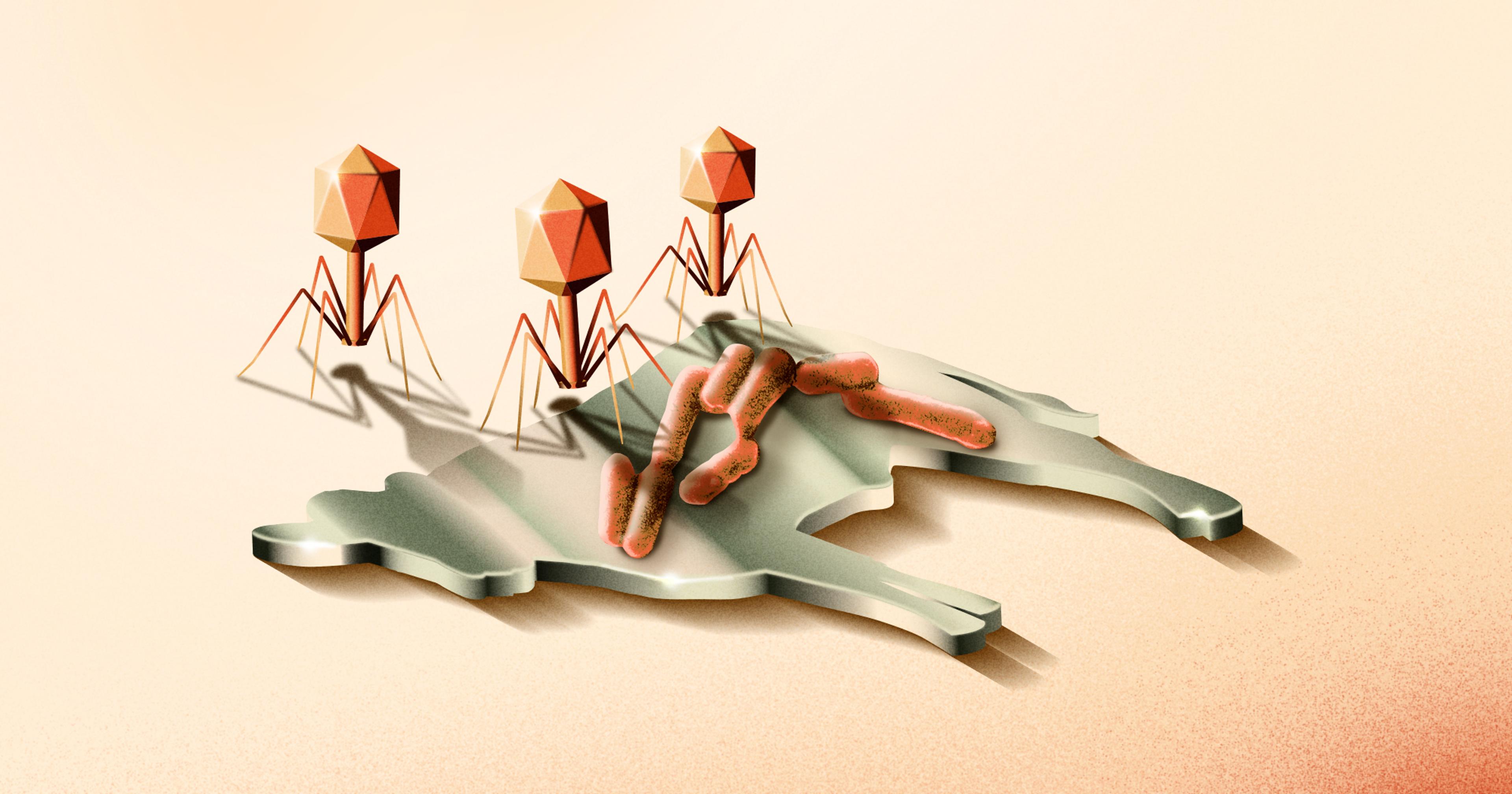
That multi-drug resistance rings alarm bells for Roach. It’s transferred on plasmids, pieces of bacterial DNA that can carry a lot of resistance genes, thanks to the high use of antibiotics in the livestock industry, Roach said. They’re “meant to be shared—a love letter from one bacterium to another that will tell it how to resist that antibiotic that’s causing them problems.” Before antibiotics became so ubiquitous, resistance was out there. Now, though, plasmids are showing resistance to five or six drugs, and they have “all these mechanisms to transfer them between each other, so they basically become totally distinct. That’s something’s new.” He expressed frustration that ranchers continue to treat cattle respiratory infections with tetracyclines, even though pathogens are resistant to those drugs. “I don’t know if you would call it irrational use,” he said, but “something’s definitely going wrong there.”
Vezeau pointed out that all we really know at the moment is that wildlife are, “by and large, net recipients of resistance” from farmed animals; how much they’re spreading AMR to other wild or farmed animals or even to people is poorly understood. Still, a 2024 paper he co-wrote found that insects such as flies and ticks play a role in spreading AMR to humans and their pets. And a 2024 Chinese study found that wild boars were likely spreading resistance to farmed cattle. “China is your high-dose experiment because they used so much antibiotics for so long compared to even here,” Roach said.
“If [antibiotics] are so fundamental to saving life on Earth, why are we abusing them?”
There are other reasons for concern—including on behalf of the wild animals themselves, Connor said. There are occasions when endangered animals need to be treated with antibiotics in order to save the species; animal care facilities for injured wildlife show high incidence of AMR, too. Connor worries about culling. “All of a sudden, human populations are like, oh, let’s point to that boogeyman over there, when it’s just a wild population that is trying to exist in a world that has a human population that has just grown on top of it,” she said. Such scapegoating is common around illnesses like bird flu, which the U.S. Department of Agriculture pins on wild birds but advocacy groups claim becomes highly pathogenic only when it spreads, and perhaps mutates, in crowded poultry operations.
Antibiotics persist in the environment for months or years after usage stops. Nevertheless, all sources agreed that curtailing their use in poultry and livestock—especially when it comes to prophylactic use and dosing full herds—is the most logical way to begin mitigating AMR, in the wild and everywhere. Fast food companies McDonalds, Subway, and Taco Bell all made commitments to reduce antibiotics in their supply chains in the last decade—commitments FACT found had been quietly abandoned, with no public reporting on how much progress they’d made.
“It’s a whole system that’s not working to protect the public, and that’s why we push so much for government action,” Roach said. He’d like to see Congress regulate feedlots, or at least require them to report their antibiotic use. Connor also points a finger at weak federal oversight. “That’s a big thing that’s missing from these factory farms; they are using prophylactics, but the government’s barely tracking what that even means at this point—it is just business as usual,” she said. What’s really needed, she argues, is “concrete decision making for the benefit and future of species populations, and to stave off human caused extinction … If [antibiotics] are so fundamental to saving life on Earth, why are we abusing them?”