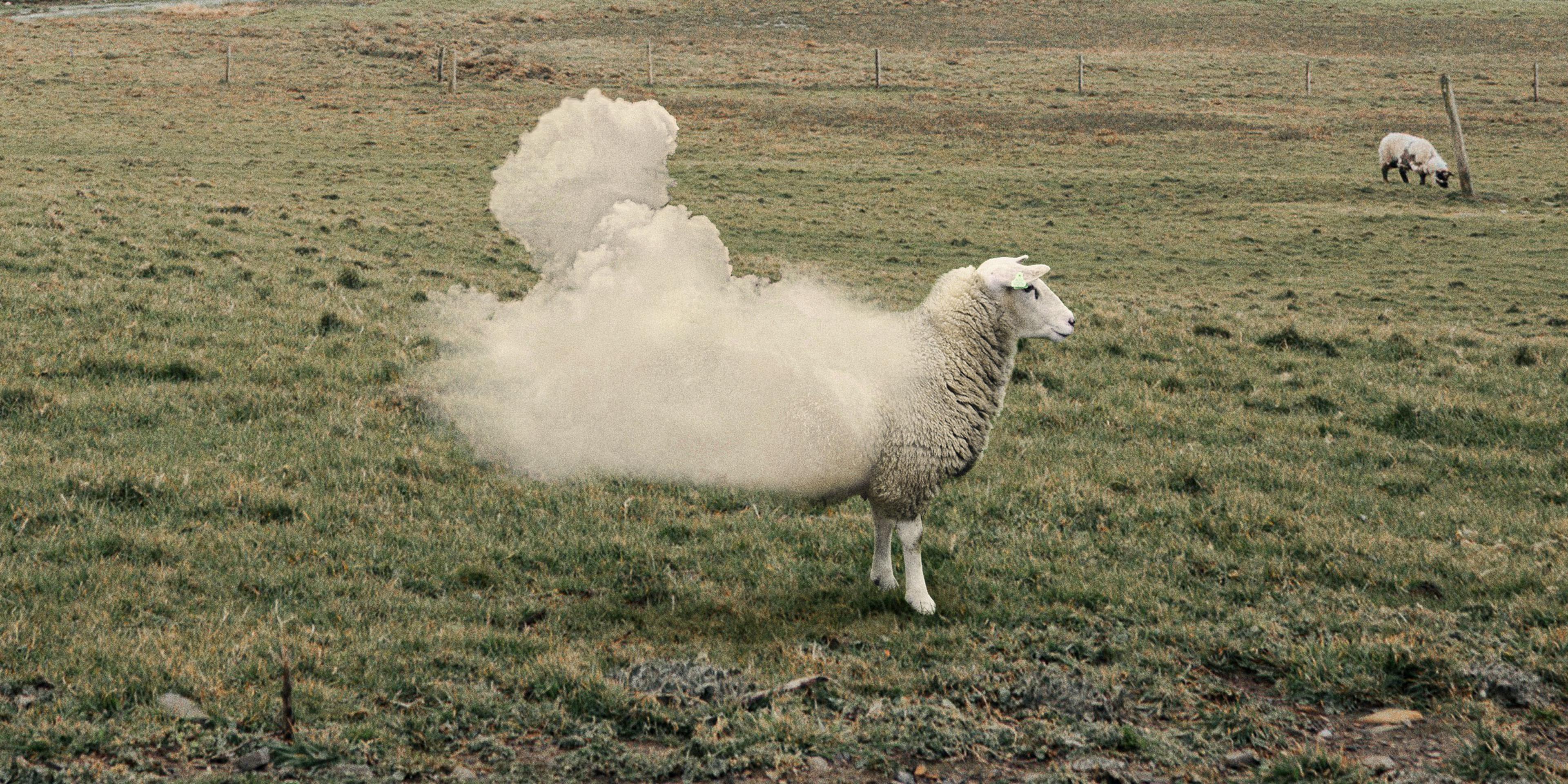

The U.S. wool industry is staging a comeback. So where are all the sheep?
Health concerns around plastics have been on the rise in the last few years.Consumers are increasingly aware that chemicals leaching from the petroleum-based products we surround ourselves with can cause cell damage and cancer and disrupt our hormones. Even our clothes — half of which are fashioned from polyester, nylon, viscose and other materials derived from crude oil — are culpable. This newfound knowledge is pushing demand for wool, which has (re)emerged in the marketplace as a potential savior from all that plastic. New technologies that blend merino with other fibers make it possible to use wool as a primary ingredient in sports bras, boxers and leggings. Wool insulation has gone mainstream at Lowe’s and Home Depot. An Australian company raised millions of investment dollars to develop thermal wool packaging to ship pharmaceuticals and perishable food.
“It’s a miracle fiber,” said Jeanne Carver, an Oregon sheep rancher and CEO of Shaniko Wool Company, about this material shorn from sheep (although hair from goats, rabbits, camels and other mammals also counts). Her company both grows and buys Responsible Wool Standard (RWS) certified wool — which has high animal welfare and sustainable land management requirements — sourced from more than 1.5 million acres of land across eight ranches in the western U.S. Wool is “fire retardant, it’s biodegradable, it’s odor resistant. It has amazing properties,” Carver said. Even better, there’s new evidence that wool sourced from properly managed herds might be a net carbon and nitrogen sink. There’s only one problem: There aren’t enough sheep in the world to meet this pro-wool moment.
Strong demand has helped drive wool prices to a 30-year high, meaning, it should be a fantastic time to be a sheep farmer. But sheep herds are on the decline globally, even in top wool producing countries China, Australia and New Zealand. Here in the U.S., a growing number of companies are committing to buying American wool. Only, with American sheep numbers at a historic low, they’re confronted with significant sourcing challenges.

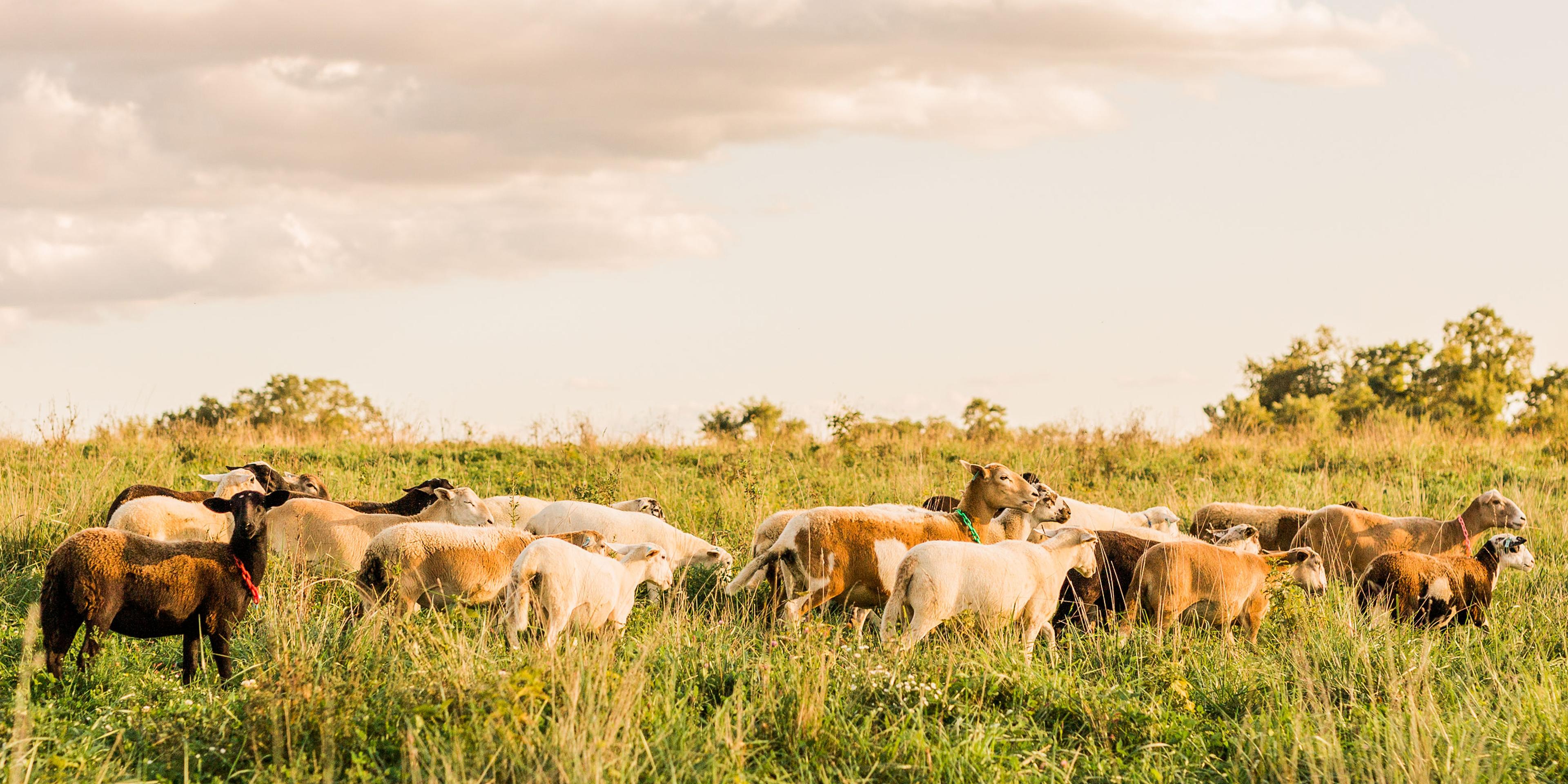
An early 2026 tally of both meat and fiber sheep counted 4.99 million head, with just over 3 million of these shorn for wool. This represents the tail end of a decades-long decline that started around World War II, as clothing manufacturing moved offshore and Americans started to prefer chicken, pork and beef to lamb (many soldiers developed an aversion to low quality mutton during the war). In 2025, the U.S. Department of Agriculture (USDA) reported shorn wool production of 20.5 million pounds. That may sound like a lot of wool, but it’s down 5 percent from 2024. In 1950, official government reports lamented a then-record low wool crop of only 252 million pounds. All to say, we’re not producing even a tenth of what we were in our worst year 75 years ago. The repeal of the National Wool Act in 1993 dealt a final blow to an already weak sector by eliminating subsidies to wool growers. Today, the sheep industry overall accounts for less than 1 percent of U.S. livestock receipts.
“There’s a sense of hopelessness” among sheep farmers, said Carver. Aging infrastructure, almost no domestic manufacturing and strained processing capacity make it tough for U.S. farmers to get their wool to market at a competitive price. Most export their raw wool to China, because there aren’t enough American wool and textile mills to process even what little we do produce. “The domestic supply chain for wool is nearly extinct,” The New York Times reported last year. Firm statistics are hard to come by but domestically, there may be fewer than five mills left that are able to spin yarn and weave it into fabric.
Graham Tabor used to source wool from Carver for luxury clothing brand Thom Browne. “Most people don’t realize how many steps and how labor intensive the process is,” he said. There could be eight or nine operations between wool coming off a sheep and being sewn into a garment. After shearing there’s sorting and grading, scouring, carding (getting all the fibers to align), spinning into thread or yarn and weaving into cloth. These days, most of those likely happen in China, where pre-scoured wool shipped from around the world winds up in mills along the Yangtze and Pearl river deltas, gets made into clothing then is distributed back out across the world.
“Most people don’t realize how many steps and how labor intensive the process is”
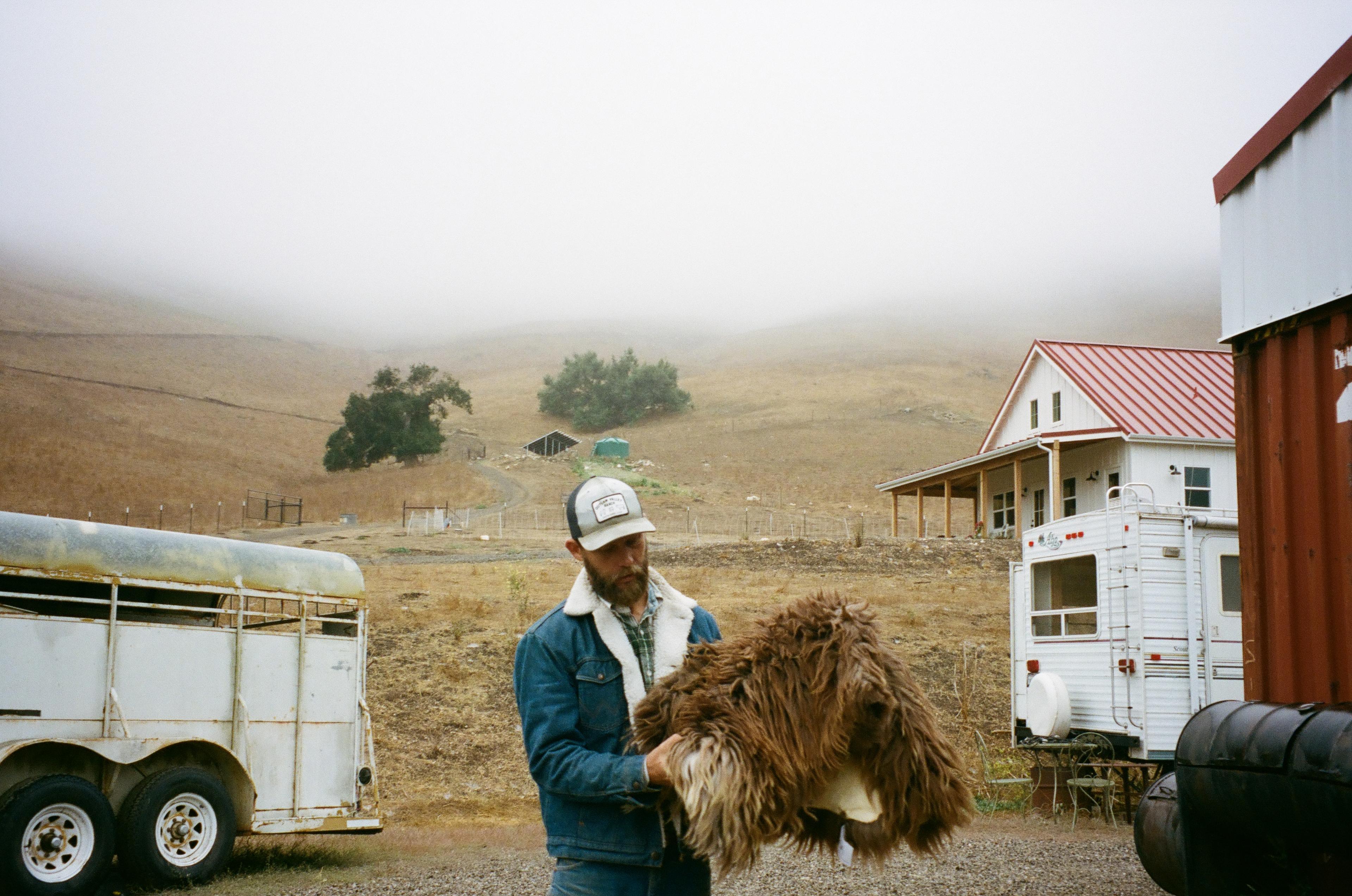
In Oregon, Carver still remembers a day in the spring of 1999 when she called up the wool buyer her ranch sold to for over 100 years to ask what the price would be that year. The answer left her stunned: “We’re closing processing and going offshore, like everybody else.” But a quarter of a century later, there’s real appetite for American wool again, and consumers — the types who check labels for sustainability certifications and avoid products made from plastics — are willing to pay a premium for it. As a result, there is a plethora of entrepreneurs aiming to source American wool who hope not only to tap into a market trend but bring jobs back to the U.S. and gain more control over their supply chain. Patagonia made the news in 2018 when they started working with U.S. wool suppliers. There are dozens of smaller brands sourcing all or most of their wool from American farmers, such as Duckworth in Montana (which trademarked the phrase “sheep to shelf”), Sonoma Wool Company, and Rambler’s Way,
One newcomer to the industry is Chase Hill, the founder of The Woolshire, an Idaho company that manufactures organic pillows made from Montana wool and Texas cotton to meet a surge in demand for non-toxic bedding. Hill admits it would be easier for his company to work with material from Australia or New Zealand, where wool tends to be cleaner and need less processing. But he is committed to sourcing his materials in the U.S. “I think there could be a big revival” of the American wool industry, he said.
That’s an optimistic forecast. It would require establishing even more mills and manufacturing plants on these shores and no one has any idea how long that could take. In spite of demand, “It’s a very complicated switch. It’s not something that can be done overnight,” said Hill. Christa Rochford, wool marketing manager at the American Sheep Industry Association, pointed out, “Sheep numbers don’t rebound simply because the market improves.” It takes “capital, labor, land, confidence and time. All of those inputs have been under sustained pressure,” she said.
Despite the challenges, both farmers and manufacturers are feeling positive about their prospects. In Hartford, Connecticut, a 19th century woolen mill reopened its doors and has slowly been recruiting new clients, like Duckworth. Jaelyn Whaley, an extension field specialist at South Dakota State University, believes the domestic sheep industry is “in a stage of innovation and market development,” she said. Rochford, too, sees that people in the industry “haven’t been sitting still. They’ve been innovating in how wool is marketed, how it’s processed, how it reaches consumers and how it’s positioned against synthetics.” A large part of that positioning has to do with sustainability. Janessa Leoné, founder of an eponymous accessories brand, hired Rachel Cantu, former head of global supply chain at Patagonia, to build her a domestic wool supply chain. Shaniko Wool’s land management practices convinced her that making the switch was worth the effort.
In the 1980s and ‘90s, decades before founding Shaniko Wool, Carver and her husband made the decision to stop tilling their land; they also implemented comprehensive rotational grazing and moved their sheep away from the fragile banks of the creeks originating on their ranch. When salmon started coming back to those creeks in the thousands, she knew she’d made the right decision. Her ranch went on to become the first in the world to hold RWS certification, which sustainability-focused brands like Patagonia quickly adopted as a requirement for companies they bought from.
Carver is now something of an industry legend. In partnership with Ralph Lauren, her wool has clothed U.S. athletes at five Olympic Games. In 2023 she received the Agricultural Hall of Fame award from Oregon State University and the American Sheep Industry Association’s Industry Innovation Award. She’s the subject of a forthcoming documentary, If the Land Wins. Regenerative agriculture is a hotly contested term, but the example of Carver’s ranchland practices has impacted wool growers nationally. “At a moment when consumers are increasingly skeptical of petroleum-based textiles and greenwashing, American wool is the real thing. Grown here, traceable, and backed by producers who are genuine stewards of the land,” Rochford said.
Carver is excited about a new study from the University of Oregon that found that her ranch is net carbon and nitrogen negative, with sequestered carbon more than offsetting the emissions from her sheep and the hay, wheat and barley she also grows — although many biologists express skepticism about the quality of evidence around how soil organic carbon is measured. Still, Carver and other sheep farmers believe they are doing good things for their acreage, good things for the planet and good things for their industry. Ask 10 sheep producers why American wool is important, said Rochford, “and you’ll get 10 different answers shaped by their land, their history and what they’ve built.” For Carver, it’s simple. “I love the sheep,” she said. “The land and the sheep are my inspiration.”