
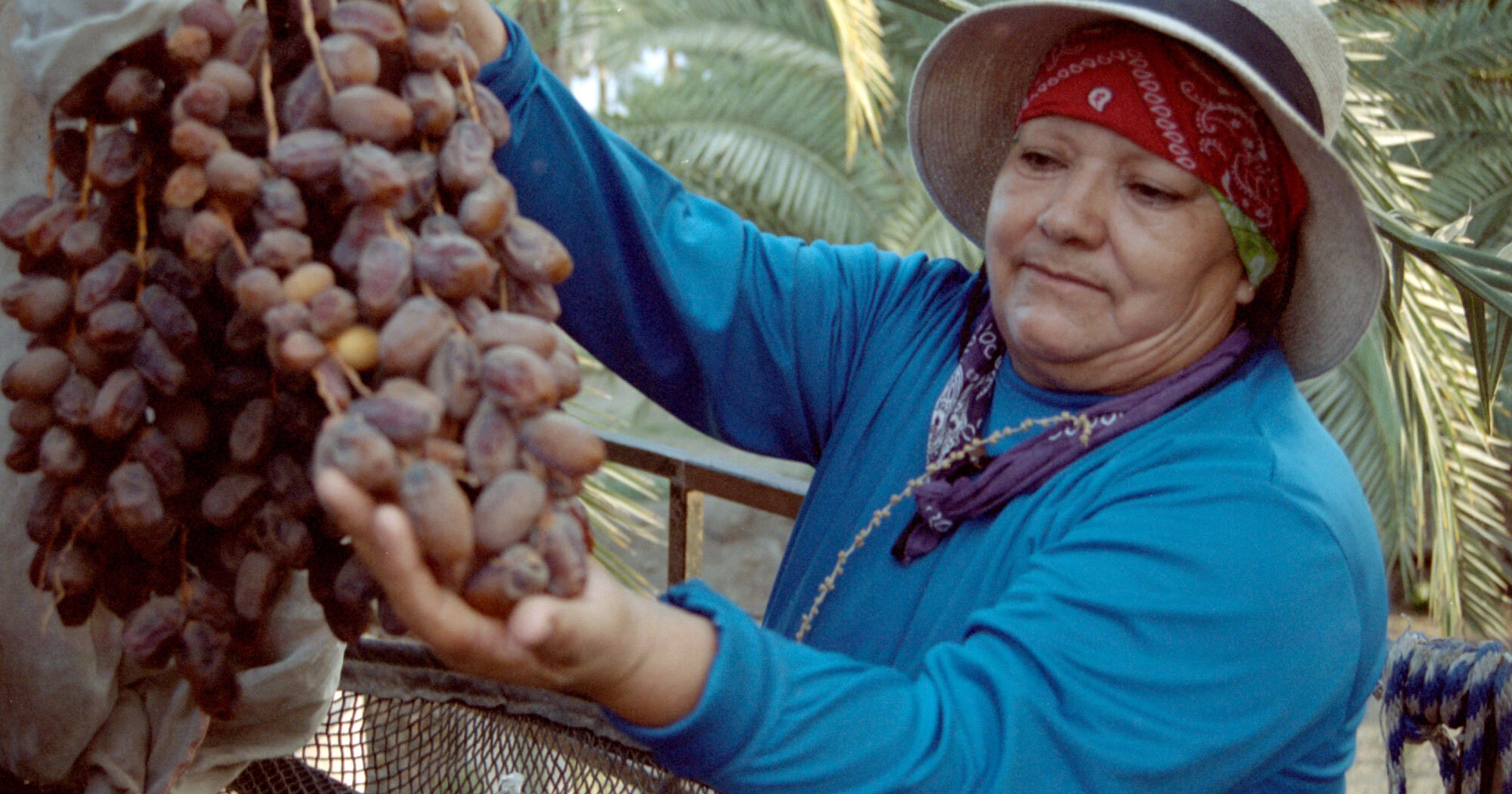
Palmeros are the gutsy, highly skilled farm workers who harvest your medjool dates. Now climate change, immigration raids, and a push for mechanization threaten their 6,000-year-old tradition.
On car rides as a kid growing up in Thermal, California, Tony Patino would stare at them, men balancing in the crowns of the palm trees that framed the road, 50, 60 feet in the air. They looked like Jack in his beanstalk—if Jack had worn a sweatstained bandana and brandished a machete the size of a baseball bat.
“Those guys are nuts,” he’d think.
Those guys were palmeros, highly skilled farmworkers who cultivate and harvest the endless rows of date palms that carpet the Coachella Valley, where 95 percent of American dates are grown. In fact, Patino’s dad was a palmero. He spent his days hauling skinny, sky-high ladders from tree to tree, hand-pollinating, pruning, and picking the oblong stone fruits.
Patino had no intention of going into the family business, but at 27, after a stint in corporate America, he found himself back in the desert. Needing a little money, he agreed to help his dad with palmero work in the afternoons.
“He started teaching me slowly,” Patino said. “Fifteen-footers, nothing crazy.”
But that first day, when it was time to step off the ladder and into the crown of the tree, full of thorns sharp enough to puncture a tire—or, say, a human limb—the younger Patino “was holding on for dear life, like a cat.”
After that, though, it came easy. Within a week, Patino was addicted to the little burst of adrenaline that came with jumping from his ladder into the tree. Within months, he was the foreman of a crew of six palmeros, contracting for dozens of farms, climbing date palms all over the desert, and carrying on a 6,000-year-old agricultural tradition.
Now, thanks to current immigration policies and the flat-out difficulty of the job, that tradition is in danger of dying out. While large producers are increasingly turning to mechanization—drone pollinators, ripeness sensors, robotic harvesters—to get the job done, the increasing lack of palmeros is an existential threat to the small farms that turn out some of the country’s finest dates—just as they find their place in the American diet. Consumers once weirded out by the furrowed fruit are now regularly popping them into lunch boxes, folding them into trail mix, and incorporating them into all sorts of sweet treats (date Snickers is a TikTok favorite). Date paste, syrup, and sugar are no longer relegated to specialty or international markets.
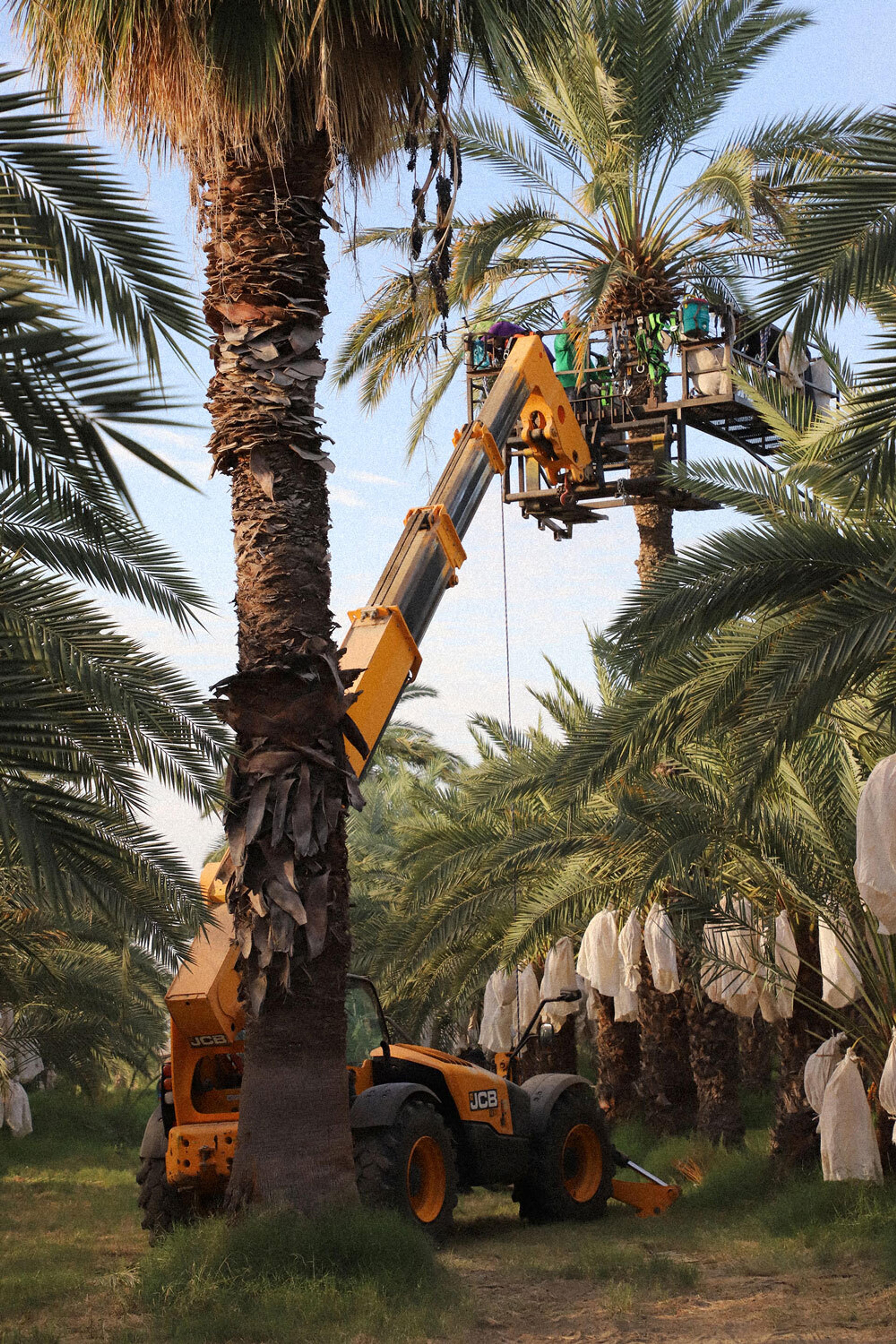
Palmeros harvesting in the date palms, Bautista Family Ranch, Mecca, California.
Between 2012 and 2023, American consumption of the dried fruit doubled; in the last year alone, sales of dates in the United States increased by 33 percent.
“It’s been like a bomb,” says Maricela Bautista, who’s in charge of packing at Bautista Family Organic Dates, a family-run farm in Mecca, California. Twenty years ago, when Bautista sat in her booth at the Los Angeles farmers market, she’d watch jealously as customers lined up for cage-free eggs; she’d often drive home with containers of unsold fruit in the truck. Now, “there’s a line like there used to be for the egg people,” she says. Her dates are gone before noon.
Yet a scant few of her eager customers know about the intrepid workers responsible for their new favorite snack—or how quickly those workers are disappearing.
“Palmeros are a dying breed,” says Joan Smith, who runs Rancho Meladuco, an 8-acre date farm just north of the Salton Sea. “There just are not talented, skilled palmeros joining the workforce.”
Patino, now 33, is more succinct: “Our thing is dying.”
***
As far as harrowing job descriptions go, the palmero is up there with trapeze artist and surgeon. Must like heights, must work well in punishing heat, must feel comfortable yielding lethally sharp hand tools. In addition to brute labor, the job also requires an aptitude for botanical minutiae: the pungency of a ripening spadix, the dusky translucency of a perfectly ready date.
“It’s one of these jobs that you have to be good at without trying,” says Elias Medina, a 29-year-old third-generation palmero and ranch manager at Rancho Meladuco. “It’s some kind of innate talent that people have or they don’t.”
Dates were introduced to the Coachella Valley more than a century ago by USDA agricultural explorers like David Fairchild and Walter Tennyson Swingle. But it was Mexican farmers like Medina’s grandfather, who came to America during the 1940s under the bracero program (a temporary guest-worker initiative designed to ease labor shortages during WWII) who planted many of the small date gardens that still dot the landscape here. As those laborers and their children have retired or passed away, Medina says, the next generation isn’t reaching for the machete.
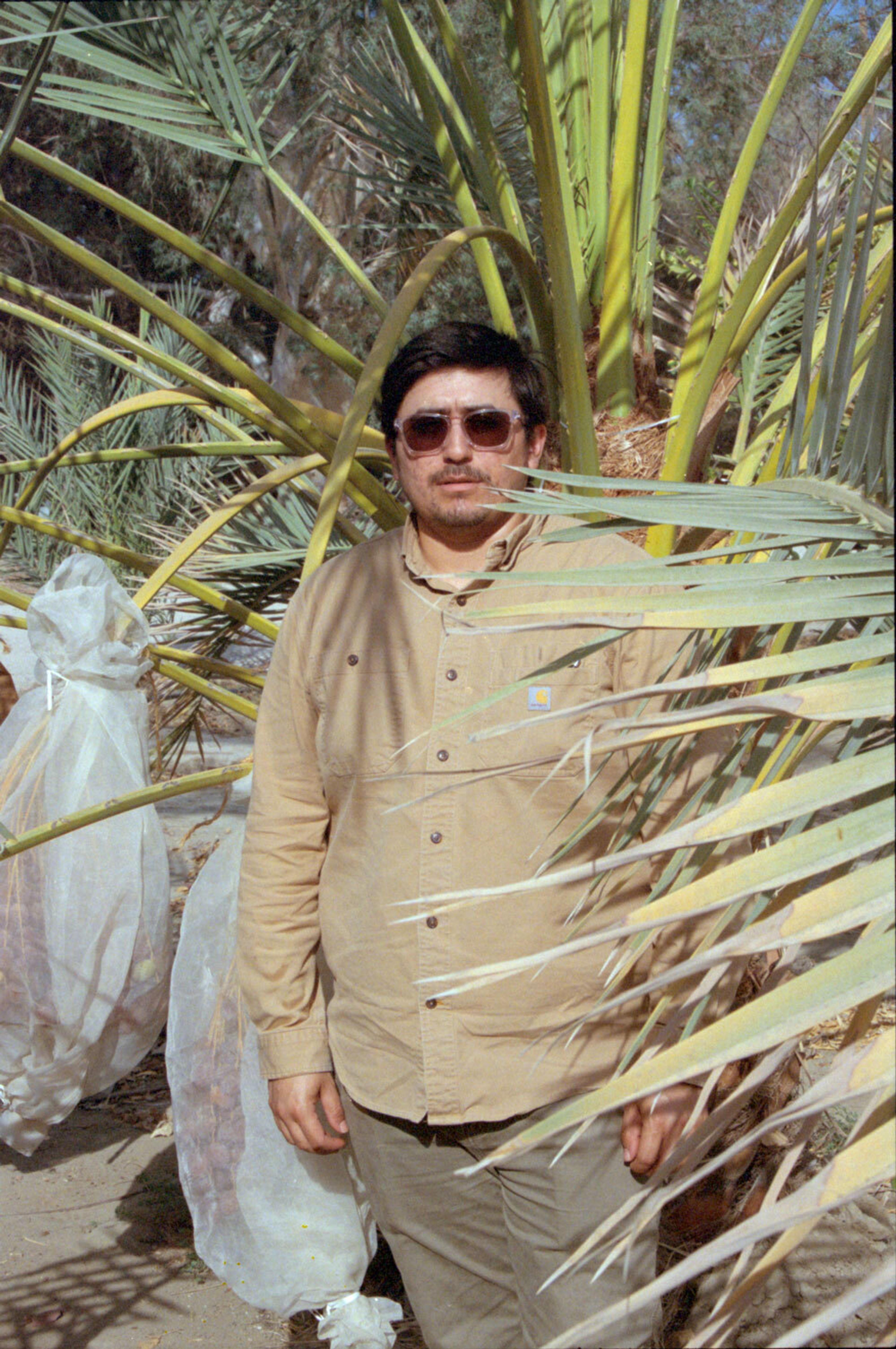
Elias Medina, palmero and ranch manager, Rancho Meladuco, Mecca, CA.
Medina himself left the desert to earn a bachelor’s degree in physiology and neuroscience from UC San Diego, planning on pursuing a career in science. But something pulled him home. “Going to work every day with your family,” Medina says, “the bond that we have, the culture that we have—it’s really, really fun. It almost doesn’t feel like work.”
At the Bautista ranch, five children carry on the farm their father Enrique bought after emigrating from Michoacán, Mexico, in the 1990s. On an early September weekday morning in the family’s date grove, where they grow crisp bahri, buttery halawy, and honeyed khadrawy dates in addition to the perennially popular medjools, the dozen or so palmeros include husbands and wives, brothers and sisters. The men are the ones up high on the lifts (Years ago, OSHA nixed the ladders for trees taller than 25 feet, says Maricela Bautista.) while the women sort the fruit down below. A yellow tomcat seeking affection wanders from worker to worker. It’s hot as a pizza oven, but the mood is light.
“I love the harvest,” says Maricela. “The fruit is hermosa when it comes down. Beautiful.”
For Patino, the best part of the job is the feeling of freedom he gets high in the air, cradled in the palm. Up there, he’s as comfortable as an eagle in his aerie, hacking away at the trees’ bird-deterring thorns, or delivering puffs of pollen from a squeeze bottle while he listens to one of the hundreds of fantasy or true crime books he has downloaded on his phone. Sometimes he practices his French while a furious desert sun inches across the sky, casting shadows on the Santa Rosa Mountains that line the horizon—purple and wrinkly like the medjools flying off grocery shelves.
Thanks to their highly specialized skills, palmeros can make up to $2,500 some weeks, according to Medina. Along with the money, he says, comes a certain amount of pride. “It’s a badge of honor, it’s like, ‘I’m an old-school palmero and I work the old-school way.”
Palmeras at Bautista Date Farm, Mecca, California, August 28, 2026, 6:30 AM, 107 Degrees.
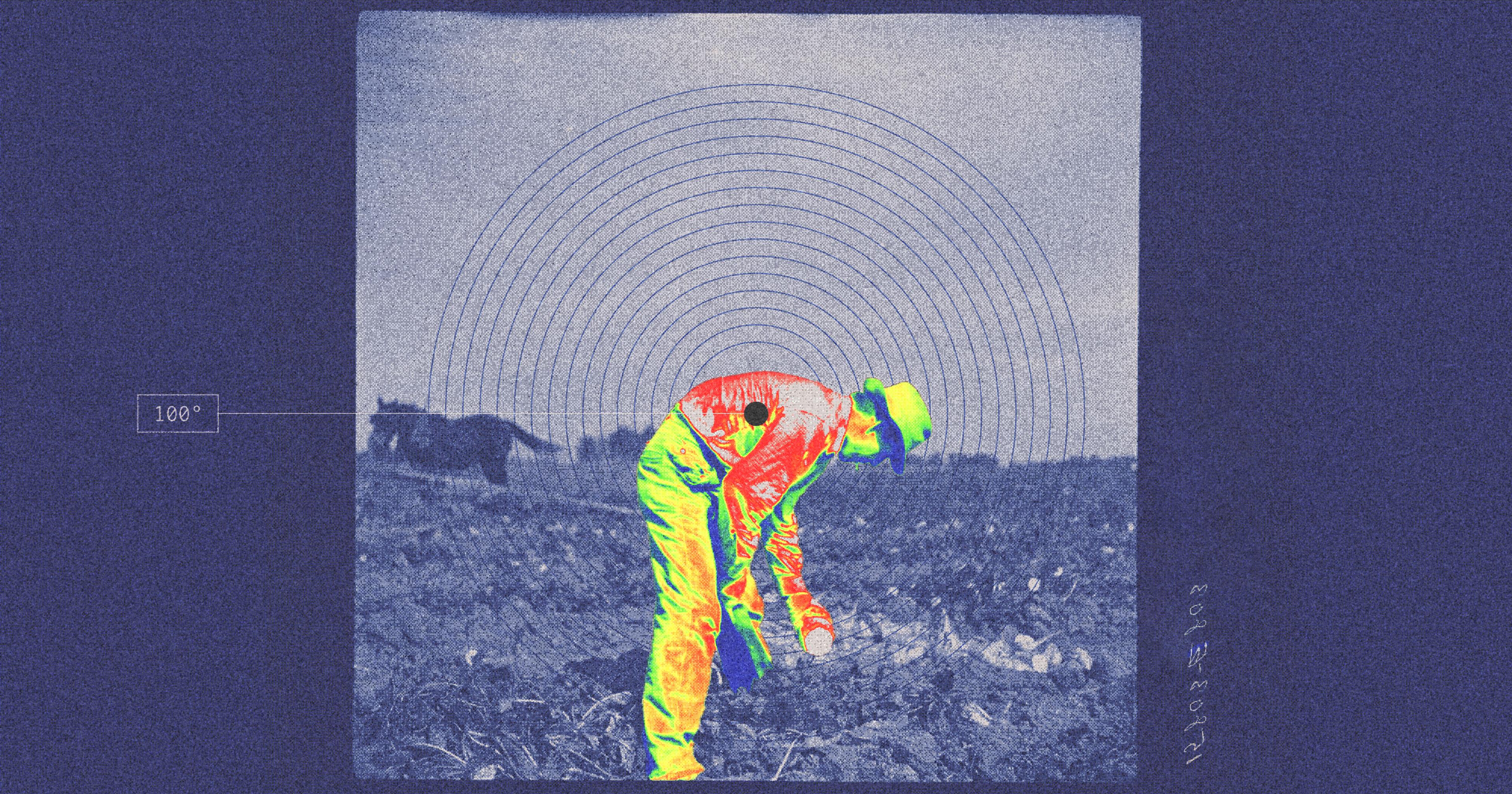
Still, there’s no denying the job is difficult and dangerous. Falling is the most obvious hazard, but in the past decade palmeros have died after striking an electrical wire and disturbing a bee’s nest. Patino says workers take thorns to the hands not infrequently; he has one permanently embedded in his calf (better than what the doctor was going to do to get it out, he decided). Even veteran palmeros admit to feeling fear from time to time.
“It can be a little bit intense when you’re up there,” says Medina. “The palm is bending in the wind, shaking. It can be scary.”
Palmeros spend most of their year in the top of the palm trees, which are dioecious plants, meaning male and female reproductive organs grow on separate trees. While the wind can carry pollen from tree to tree, it results in an unpredictable and uneven yield. Around 4000 BC in the Persian Gulf, our ancestors got wise and started cultivating the date palm by hand, kicking off a tradition Medina and Patino still carry out today.
In the waning months of the year, palmeros use ladders (for trees under 25 feet) or OSHA-approved lifts to de-thorn the trees, clearing a path for pollen collection, which takes place in January or February. That’s when workers climb up the male trees to chop off the flower pods, now covered in a musky pollen with the consistency of baby powder. A month later, they carry that pollen in pump bottles or “booger suckers” into the female trees and apply it to the long, delicate strands of female pistallates. Sometimes they repeat this process for late bloomers.
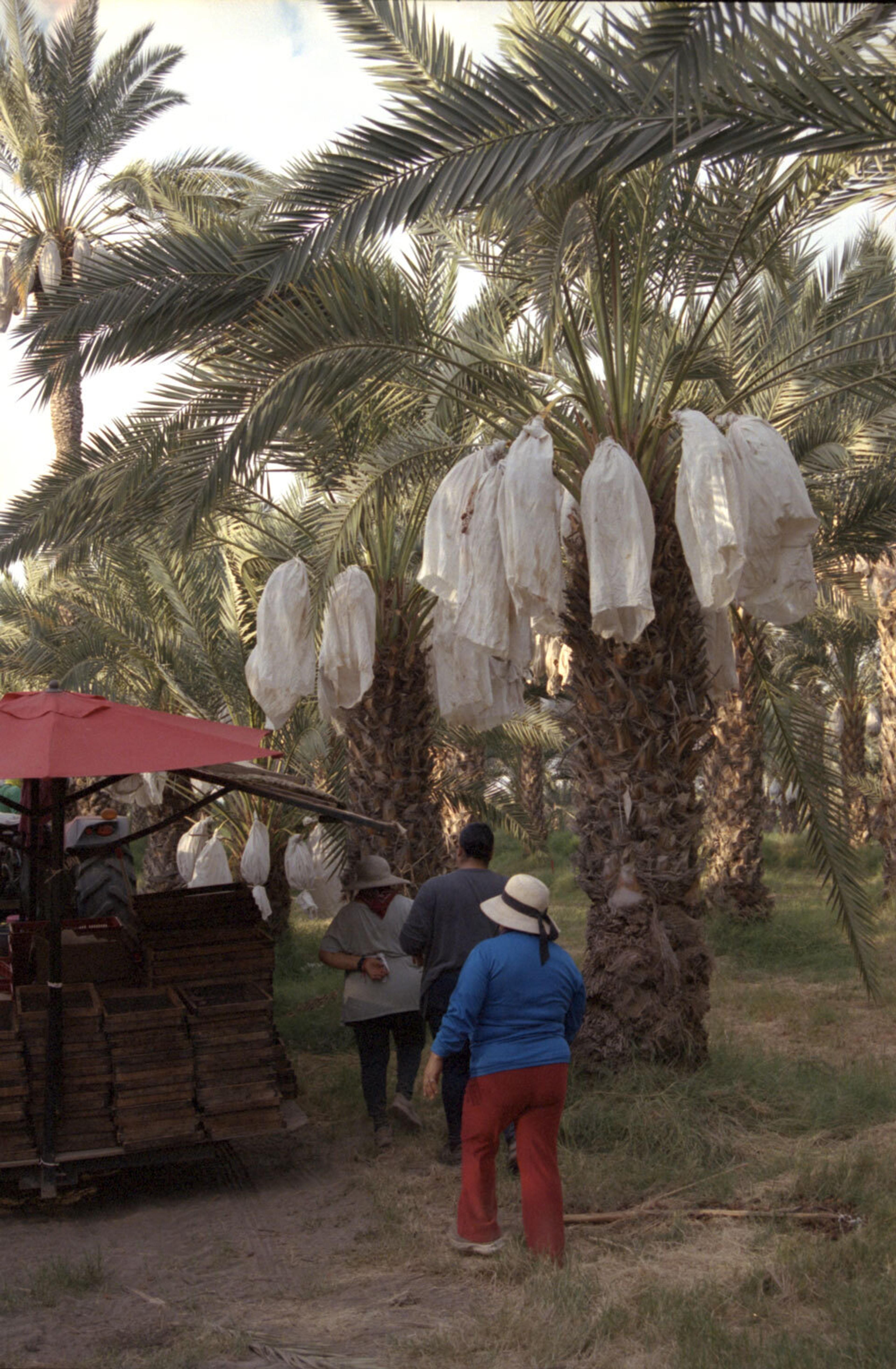
After two or three weeks, the palmeros are back in the palms, thinning the growing bunches of fruit so that each date has enough space and resources to grow into the caramelly treat that food influencers crave. Next comes tying—securing the branches of dates to a palm frond so they won’t break under the weight of the fruit—then bagging, which protects them from hungry herbivores.
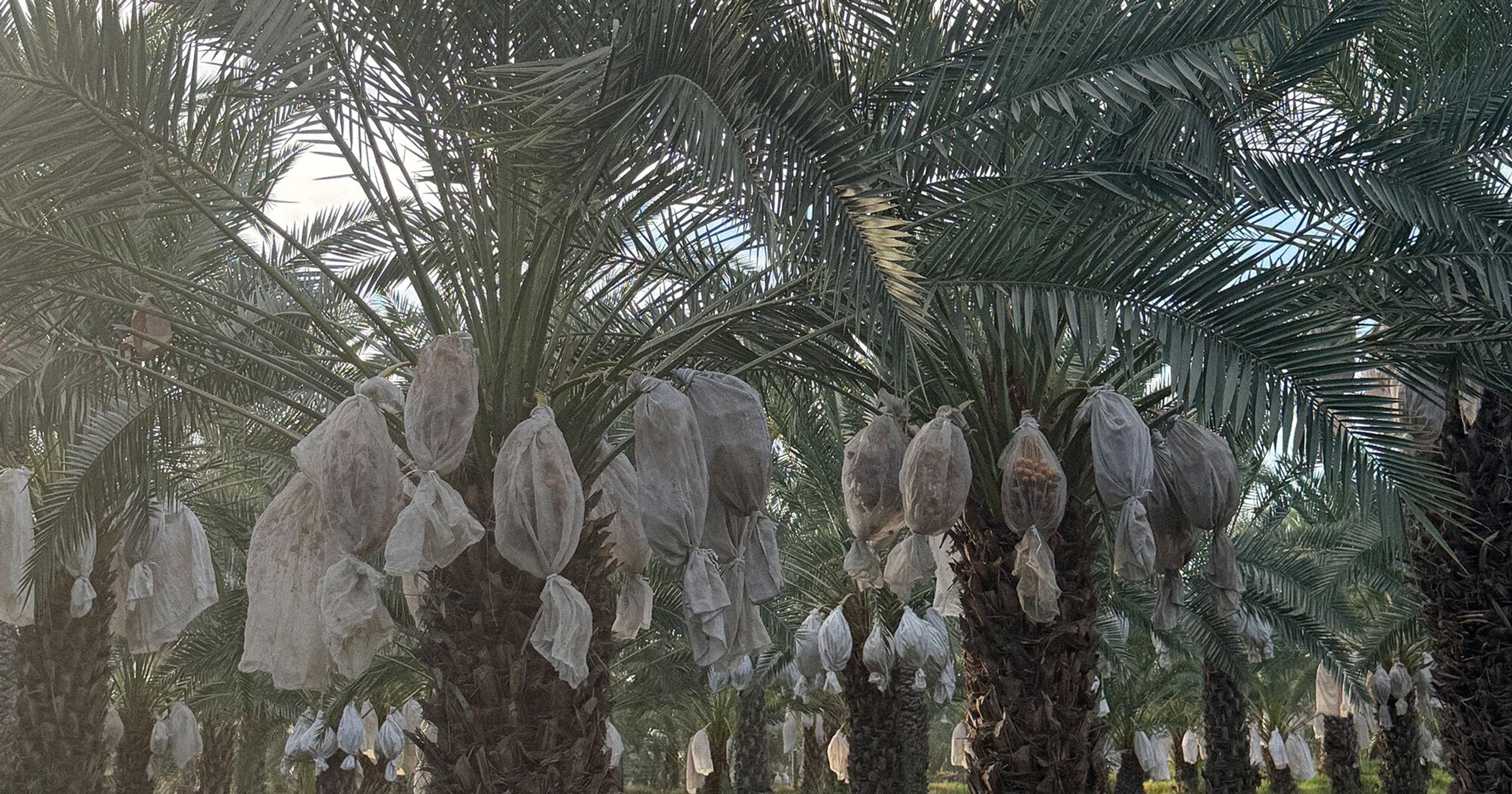
Bautista date palms at sunrise.
Finally, just in time for the hottest, most brutal months of the year, comes the harvest. Unlike apples and pears, individual dates mature at different rates, so palmeros—the good ones anyway—often make two or three passes to pluck only the ripest.
It doesn’t have to be this hard. Many wholesale producers have embraced machines and shortcuts. Instead of hand-pollinating individual flowers, large operations use pollen cannons attached to tractors that workers can shoot from the ground. Others have turned to drones. (AI-controlled drones and pest-detection remote sensors aren’t far behind.) Some commercial farms opt to forego thinning, which yields smaller fruit, and perform just a single harvest, sacrificing softer, juicier dates for fewer hours in the field and relying on rehydration to re-plump the fruit.
These methods no doubt make it easier for the workers (and in some instances negate the need for them), but palmeros like Medina and Patino say the dates produced by old-school palmeros are better. “It’s nature, so no two things are alike,” Medina says. “Maybe this flower seems like it needs a little bit more work or a little bit less. Maybe it didn’t get enough pollen and needs another pump.” He can fiddle and fuss over each flower and each fruit because he’s a person, not a bazooka cannon.
At Rancho Meladuco, which has been lauded by Bon Appetit for producing the “world’s best dates,” Smith has worked with five freelance palmeros in eight years. “It’s getting harder to find them,” she says, despite the increasing number of “farmers betting on dates in the Coachella Valley.”
Date harvest at Rancho Meladuco, August 28, 2026, 7:15AM, 112 Degrees.
Between 2000 and 2020, more than 2,600 new acres of date palms were planted here—expanding the crop’s footprint by 38 percent. “The acreage” says Smith, “is being planted at a rate that far exceeds the people available to work the trees.”
***
The date industry has faced headwinds before. For decades, farmers in the Coachella Valley marketed their product by highlighting the fruit’s Middle Eastern mystique, promoting the date as gourmet and exotic. They renamed tiny desert towns Oasis and Arabia and Mecca. The International Festival of the Dates, launched in the 1940’s, featured camel races. The “Galloping Arab” mascot of the Coachella Valley High School wore a scowl and a headscarf; belly dancers took the field at halftime.
But in the 1970s and 80s, as the Iran Hostage Crisis dominated headlines followed by the first Gulf War, the cultural caché of the date became cultural baggage—and a commercial hindrance. The ancient fruit was condemned to the bottom shelf of the baking aisle, alongside other undesirables like prunes and currants.
Then came the 2000s, a renewed focus on whole foods, and a crop of energy bars that used dates as a binder and sweetener. This subtle reacquaintance with the once-maligned fruit perhaps primed it for a star role in this age of fibermaxxing and macro tracking. Today, the date has found legions of new fans, who will readily tell you that it has a low glycemic index and more potassium per ounce than the banana.
While the nutritional profile doesn’t hurt, the real appeal of dates, particularly the medjools, is their decadence, according to Smith. “The number one reason that dates have been rediscovered is that they taste like candy,” she says. “That’s why we’ve had year-over-year growth, and an increase in demand across all processes.”
But in addition to a dwindling labor force, date farms large and small will be up against a slew of future challenges.
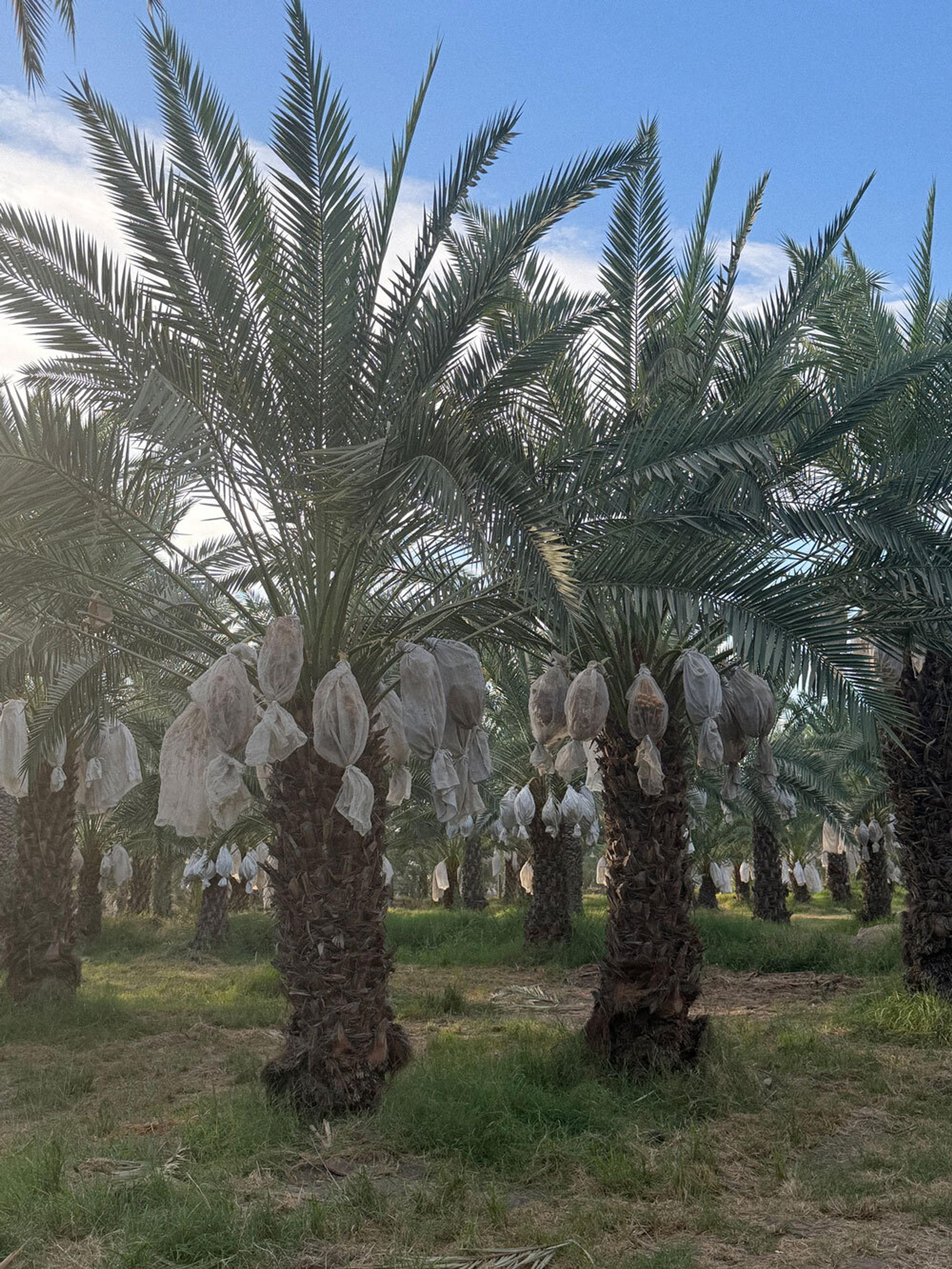
Date palms at Bautista, sunrise.
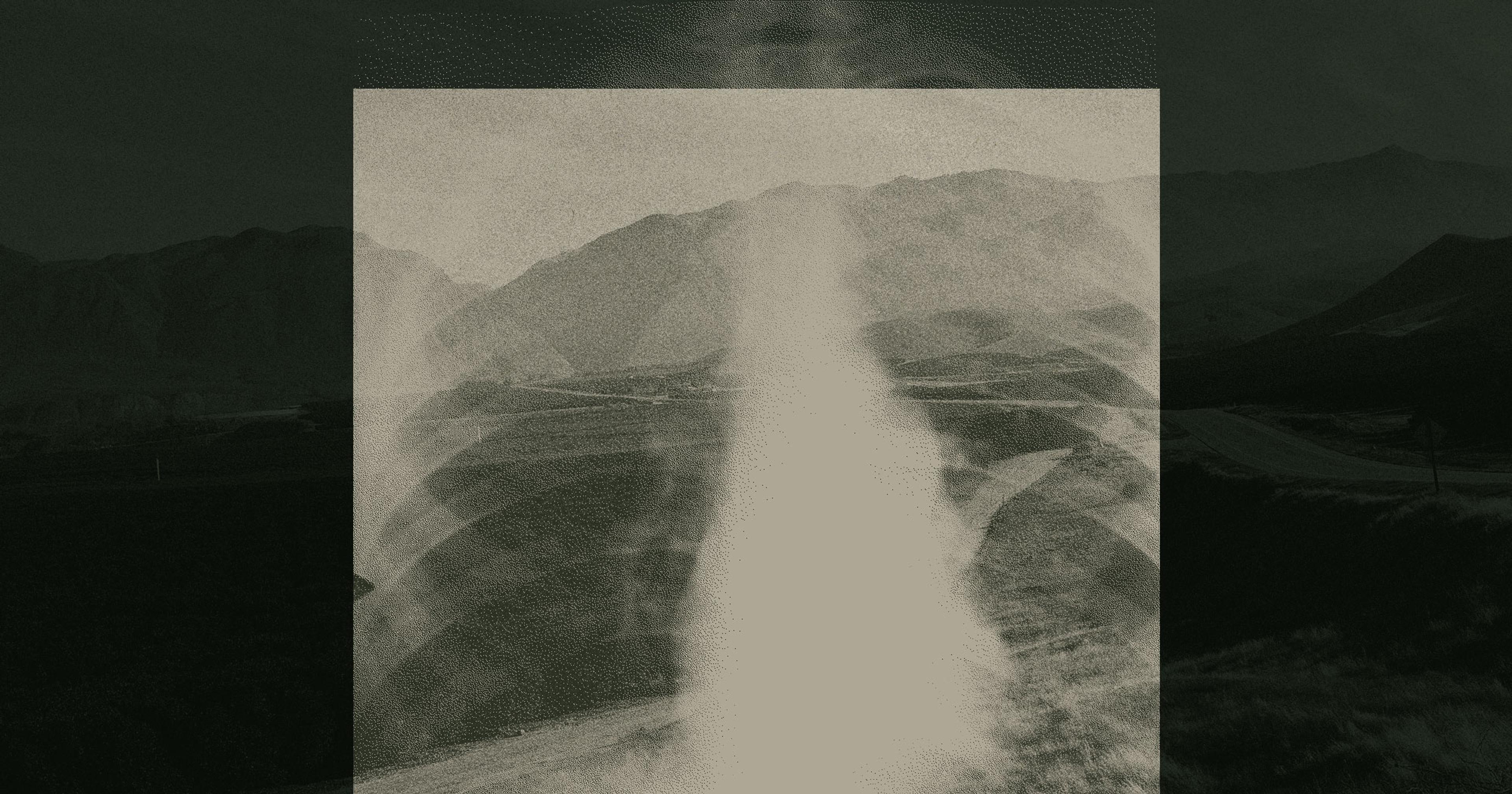
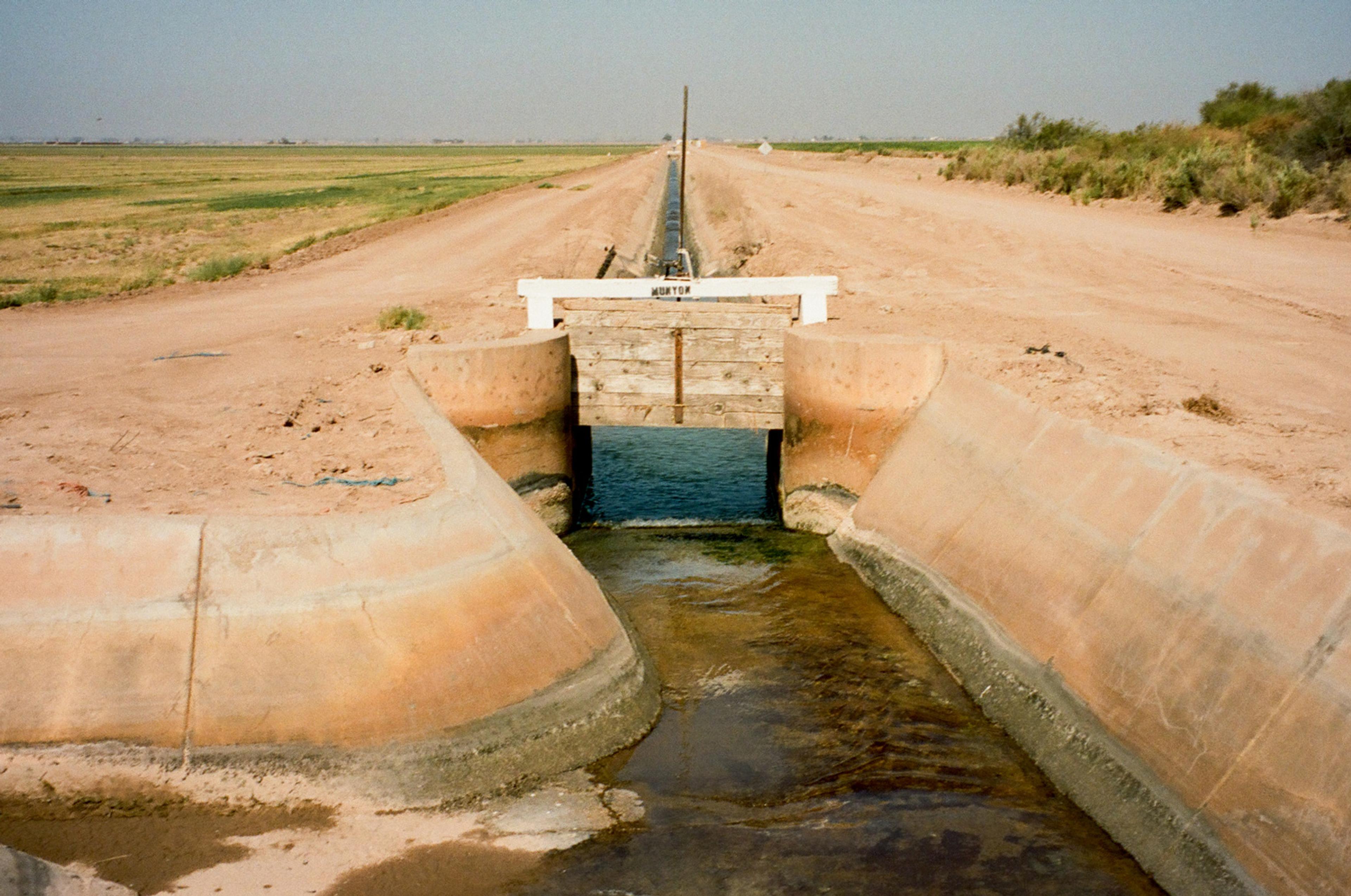
Most commercial date farms in the Coachella Valley rely on flood irrigation, delivering hundreds of gallons of water to the base of each tree every two weeks—more frequently in the summer. Two-thirds of this water comes from the Colorado River, which has been drying up for years, thanks to overuse, severe drought, and climate change.
Climate change is also delivering life-threatening heat waves and deluges of rain that can destroy the fruit crops. (A date palm, an Arab proverb says, likes its “feet in the water and its head in the fire.”)
Lately, palmeros have been dealing with another existential threat: ICE raids. An estimated 50 percent of the Valley’s residents are immigrants; when the Trump Administration began its deportation crackdown here, “Whole operations had to just halt,” says Medina, who guesses about 90 percent of palmeros are from Mexico. “People did not want to go to work.”
The pace of enforcement has eased, but Medina says his colleagues are scared. “The fear is still there. It affects the morale; it brings everything down.”
All of these factors—the intensity of the job, the unrelenting heat, the threat of deportation or family separation—have scared away potential palmeros from joining the workforce, a trend that’s especially hard on the farms that still depend on them.
“Kids are pursuing professions and education elsewhere,” Smith says. “We don’t have that young group coming in.”
Back at Bautista’s, Alvaro Bautista agrees. The farm relies on family and the same crew of workers each year, “but when we do hire a palmero, they’re old. There are lots of easier jobs out there for young people.”
To attract more palmeros into the grove, Medina thinks the industry needs to adapt. Some of that, he argues, will require embracing new technology.
“I’m one of the palmeros who really enjoys machinery—I feel much safer in a boom lift,” he says. “We should implement new techniques so that younger generations will be interested in working.”
Still, Medina isn’t suggesting fully mechanizing the process, simply using the tools that are available that make the job safer and more appealing. Regardless, what he’s seen so far hasn’t convinced him that old-school palmeros will be obsolete anytime soon.
“I’ve compared machines to the work that we do by hand, and they’re not there yet,” he says. “Nothing really beats by hand.”
So until someone invents a machine that can dodge a thicket of angry thorns, divvy out the perfect waft of pollen to each waiting flower, and discern the difference between a medjool that’s ready versus one that needs a few more days in the desert sun, they’ll be out there, balancing in the crowns of the palm trees that frame the road, 50, 60 feet in the air, like the hero in an old folktale.
Brave, proud, and a little nuts.