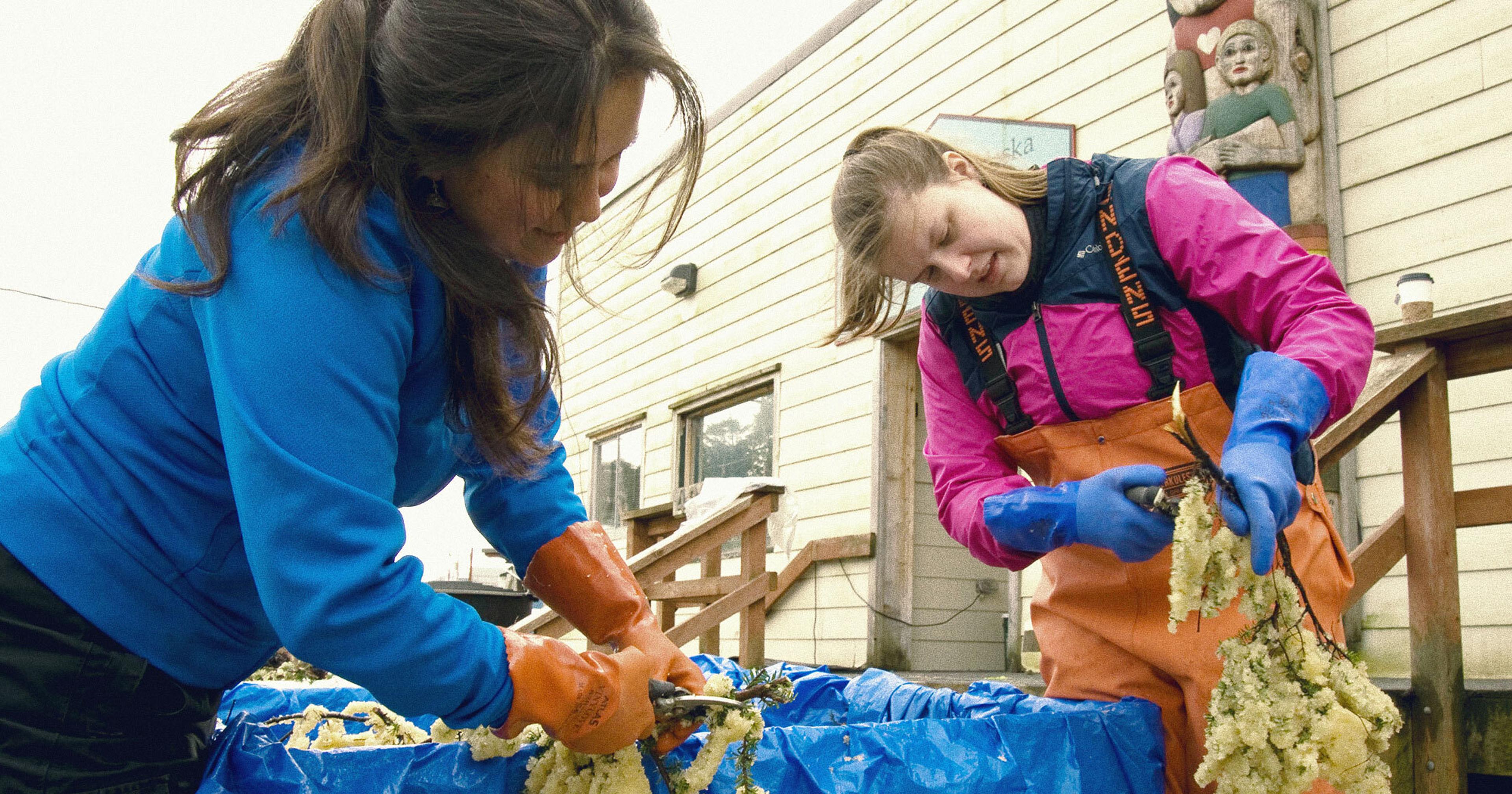
On Alaska’s waters, women captains and guides are challenging the popular mythology that equates ruggedness, authority, and adventure with men.
When I boarded a whale-watching vessel in Sitka, Alaska, back in May, I noticed something right away. Every member of the crew was a woman: the captain, the deckhands, and the naturalist guiding us through the waters. This was surprising to me, and immediately forced me to confront the assumptions I’d come to Alaska with.
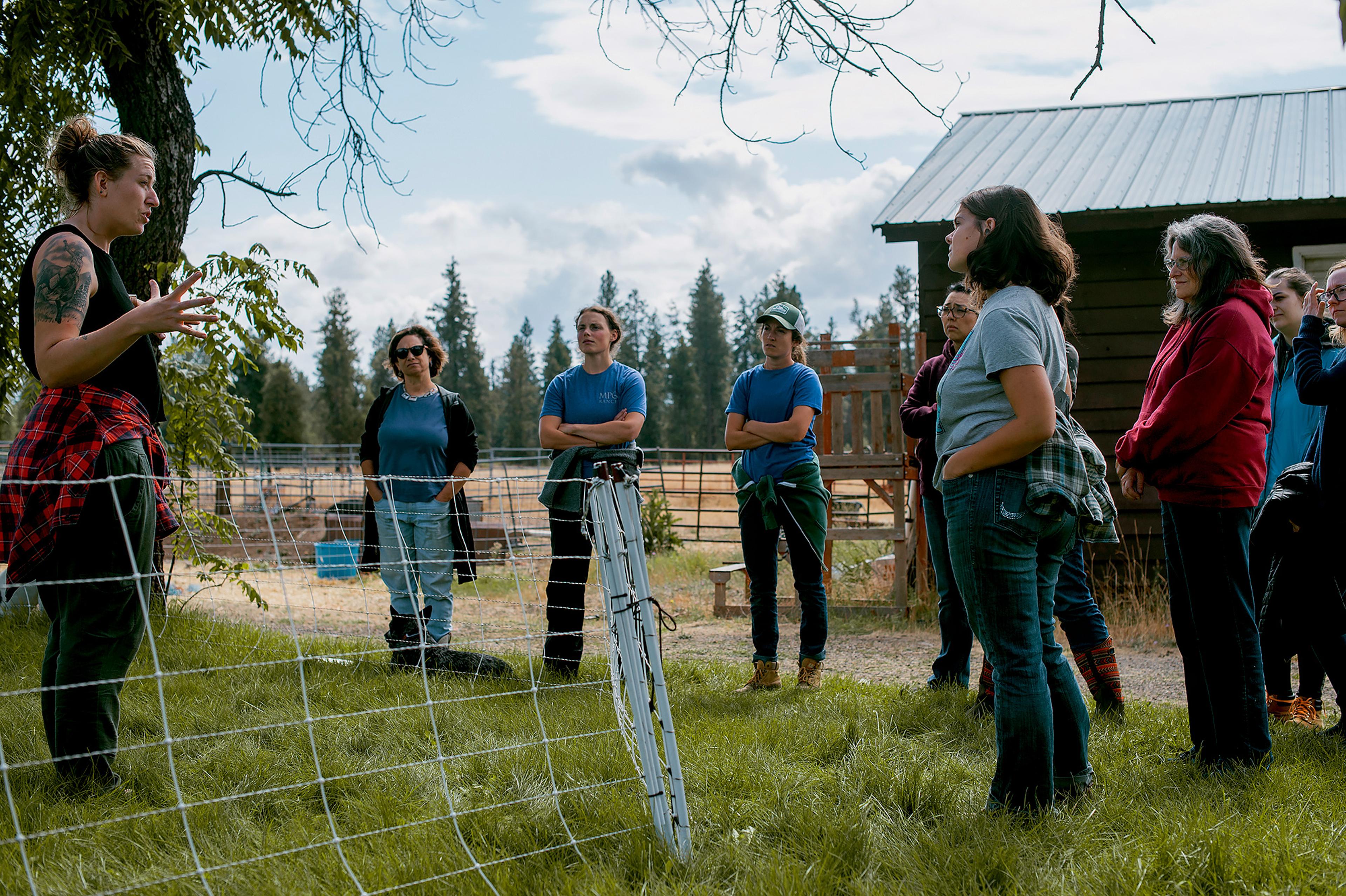
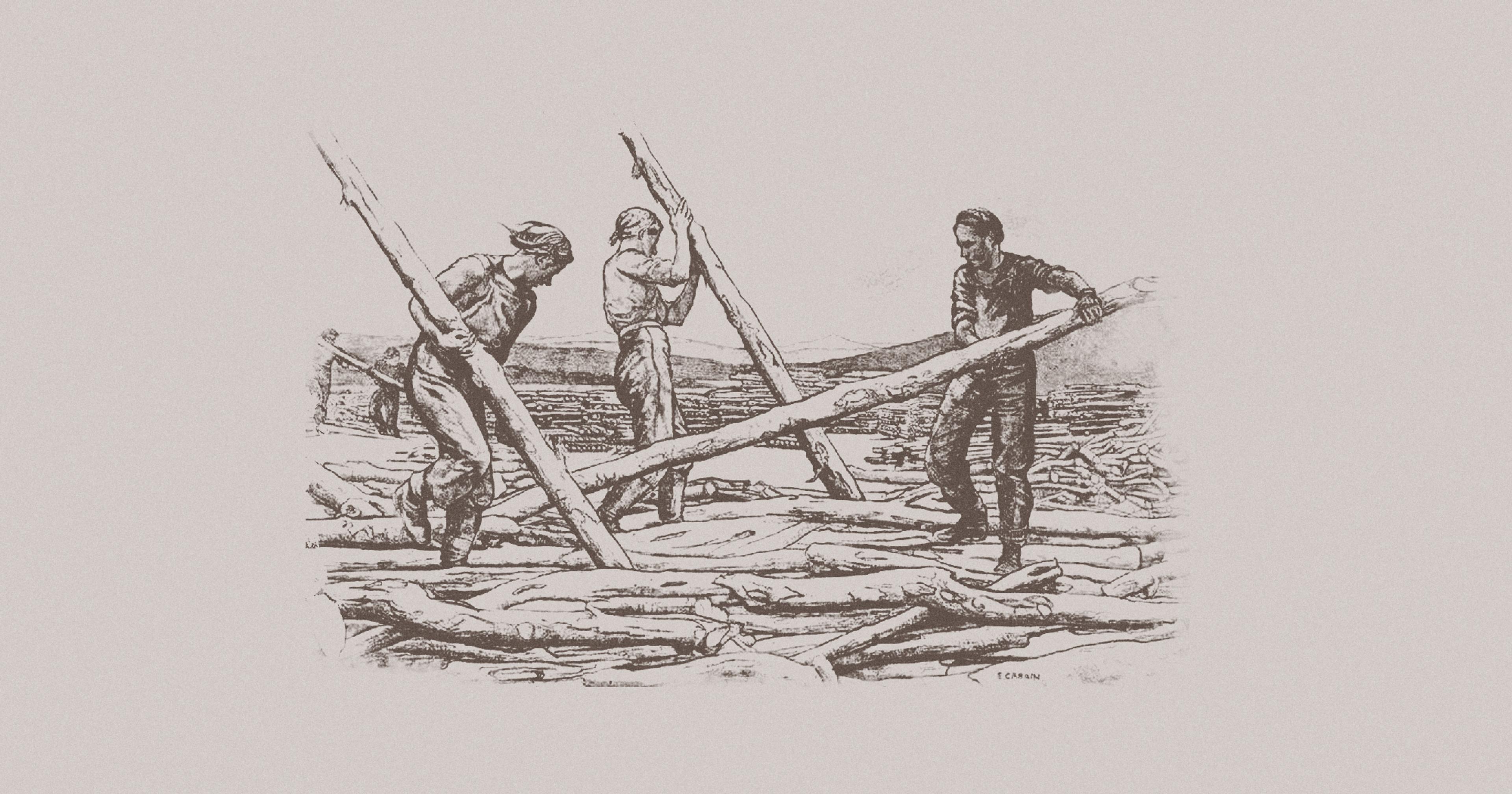

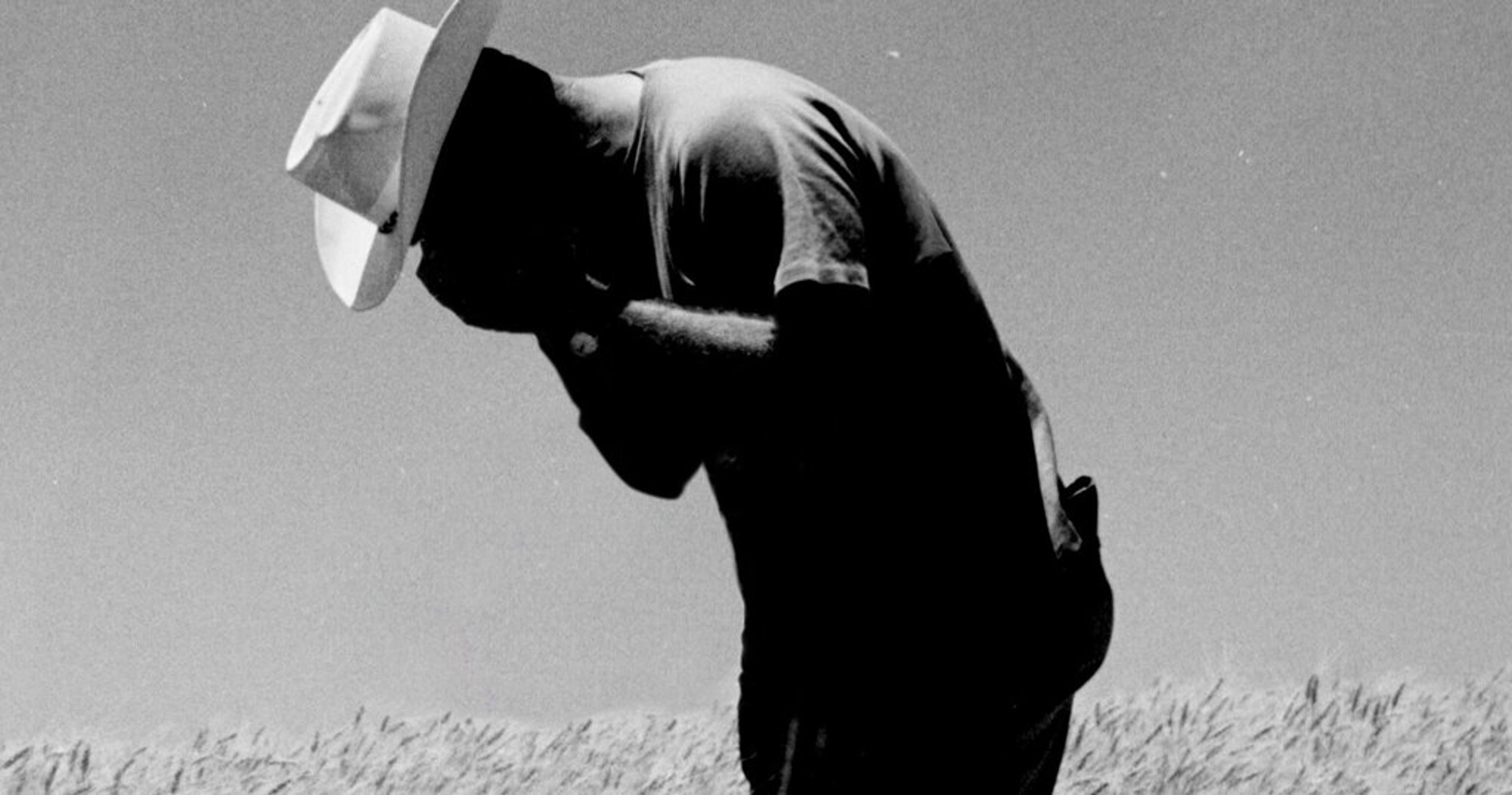
For generations, Alaska has been sold to outsiders as the “Last Frontier,” a place of rugged landscapes. The mythology was crafted by its tourism industry, travel media, and popular culture. Tourism campaigns dating back decades leaned heavily into Wild West nostalgia, using fishermen, pilots, Gold Rush imagery, and pristine wilderness to create the state’s lore—which was overwhelmingly masculine.
And it’s not just in the past; a 2024 University of Alaska Southeast study found that frontier mythology remains embedded in the culture of Alaska’s tourism industry. But spend time on the front lines, and another picture emerges. It’s one where women are operating boats, guiding visitors, and occupying leadership positions.
Alexandra Pierce, visitor industry director for Juneau and a lifelong resident of the city, is familiar with the Alaska that outsiders imagine. “You know, people think of all these burly, manly men crewing boats, setting trap lines, fishing, and logging,” she said. “It’s all of these things that visitors associate with the frontier and wild spaces, and so many people think of only men as being out there.”
Part of Alaska’s masculine maritime mythology was reinforced by who historically got to work on the water. In commercial fishing, one of the state’s most visible maritime industries, women faced formidable barriers. By the 1970s, commercial fishing in Alaska was an almost exclusively male occupation, and women trying to break into the industry sometimes faced discrimination and harassment from men who resisted their presence.
Decades later, those attitudes had not disappeared. A NOAA study examining 30 years of Alaska fisheries found that women’s participation was still influenced by gender stereotypes, taboos, and harassment, including the persistent superstition that having a woman aboard a fishing boat was bad luck. Commercial fishing is distinct from the tourism jobs at the center of this story, but its history offers context for the broader maritime industry where women captains and deckhands are now working. Although women perceived increasing opportunities, those gains were only marginally reflected in the data, with men continuing to dominate both participation and earnings.
“A lot of us started off doing entry-level tourism jobs. They think, ‘Well, gosh, I’m a tour guide on a boat, and I don’t see why I couldn’t actually drive that boat.’”
This matters in a state where maritime work is a major part of the economy. The University of Alaska estimates that the industry represents about 70,000 jobs, including vessel operators, transportation, seafood, and tourism. There is no comprehensive gender breakdown of these jobs publicly available, but women have made substantial inroads in some parts of the industry. At the Alaska Marine Highway System, women make up 24% of vessel staff, compared with just 7.3% of credentialed mariners nationwide. Progress has been made, but greater visibility has not necessarily translated into parity.
Against that backdrop, Pierce says she has watched the industry change over the course of her career. She says that women are increasingly occupying leadership roles, which she attributes to several factors. As older men have retired from leadership positions in the industry, women have frequently stepped into their places.
Pierce also sees a pipeline developing beneath that leadership transition. Tourism can provide an unusually accessible entry point into Alaska’s working world. As more companies are being launched, operated, and led by women, they are creating more opportunities for young women to begin a career in these industries. “A lot of us started off doing entry-level tourism jobs,” Pierce says, and then began to see other possibilities. “They think, ‘Well, gosh, I’m a tour guide on a boat, and I don’t see why I couldn’t actually drive that boat.’”
That was part of what happened for Kellie Sorensen, captain of the Allen Marine vessel that I boarded in Sitka. Originally from Colorado, she moved to Hawaii at 18, attending college there, and accumulating the sea time she needed to pursue a captain’s license. When she applied for her master’s license, she needed 720 days at sea, which is roughly three years.
Sorensen said she’s also seeing more women enter the industry. At Allen Marine, just under half of the captains are now women. Her own deckhand hopes to earn her captain’s license. In Sitka, Sorensen operates a vessel that can carry more than 100 passengers. The work means contending with open-ocean weather, wildlife, and whatever unexpected needs arise among the people onboard. Preparation is critical.
“You have to keep a level head, and not think you can do everything. I would actually say women might be better at doing those things than men!”
Sorensen remembers a time when she wasn’t getting the respect needed to keep operations strong. At one harbor where she worked, she was the only female captain. There, she frequently encountered doubts about her abilities, and felt that she constantly had to prove herself. But her response was straightforward. “You have to put your best foot forward every single day,” she said. “I just believe in letting your work prove itself.”
Pierce remembers experiencing those assumptions earlier in her career, too. “I was in a meeting in place of my boss, who was an older man,” she said. “I was effectively him for the purposes of that meeting, but some older male VP asked me if I would go make his coffee.”
Bevin Condon, a captain at Ocean Raft Alaska in Skagway, has experienced both the progress and the limits of that visibility during her years working on the water. She has worked seasons at a remote camp where she was the only woman among 10 men, guiding whitewater rafting trips and captaining boats. Sometimes, passengers approach her to tell her that she is an inspiration to their daughters. Other encounters have been less affirming.
“I’ve had men make really inappropriate sexist comments,” she said. “I just straight up say to them, ‘That doesn’t fly around here. You can either stop talking, or you can not come with me.’”
Even formal maritime training can remind her how underestimated women remain. When Condon recently renewed her basic safety training required for her cruise ship work, she found herself in a class filled with male fishermen. At first, she said, some assumed she needed help. “I was like, ‘No. I can do this too,’” she recalled. “‘This is a renewal class. I’ve already done it.’”
“Women help women. The more women there are in leadership roles, the more young women will end up assuming those roles.”
The assumption that physical strength makes men naturally better suited to maritime work came up repeatedly in my conversations. “Driving a boat and docking a boat is driving a boat and docking a boat,” Pierce said. “Human beings are capable of doing that.”
Condon’s experience as a whitewater rafting guide has taught her something similar. “We do dangerous things. That’s why you have to keep a level head, and not think you can do everything. I would actually say women might be better at doing those things than men!”
For Sorensen, experience, strategy and training matter most. If a task presents a physical challenge, she said, “there are ways of getting around that and doing it in a different manner, or using resources to help you out.”
The women (and men) I spoke with described a version of working in Alaska that contradicts the mythology of “conquering” the frontier. It’s a concept of authority that values knowing the landscape well enough to navigate it safely, respect its limits, and bring other people through it. For Sorensen, that stewardship is central to the job. “I wouldn’t be doing this every single day if I was working for a company that wasn’t respecting the wildlife,” she said. “I want to make sure they’re taken care of.”
Sorensen’s all-female crew has also given her something she did not have earlier in her career, which is women around her doing the same work. Sorensen credits one of her own mentors, a female captain who encouraged her to get her license, with helping her see what was possible.
Pierce believes that cycle may be one reason more women are increasingly prominent in these roles. “Women help women,” she said. “The more women there are in leadership roles, the more young women will end up assuming those roles.”
“I’ve been doing this for 16 years, and there are definitely more of us now than when I started.”
Condon put it even more simply: “The more girls that are doing stuff like this, the more girls can do stuff like this.”
That doesn’t mean that the barriers have disappeared. The NOAA publication noted that some women reportedly spent significant time trying to persuade male fishermen to hire them, and Condon says that some operations are still less welcoming to women than others. “It’s a company by company thing,” she says, “and there are some that still aren’t inviting to women employees.”
But all the women I spoke with agree that there are more women entering these roles across the board. “I’ve been doing this for 16 years,” said Condon, “and there are definitely more of us now than when I started.”
“It’s really all about support,” said Pierce. “Men have been supporting each other into leadership roles for hundreds of years, and they’re very well-practiced at it. Women have been supporting each other for just as long, but we’ve just had less time doing that in the professional world as we know it. The more we can build the girls club, the better it is for the young girls.”