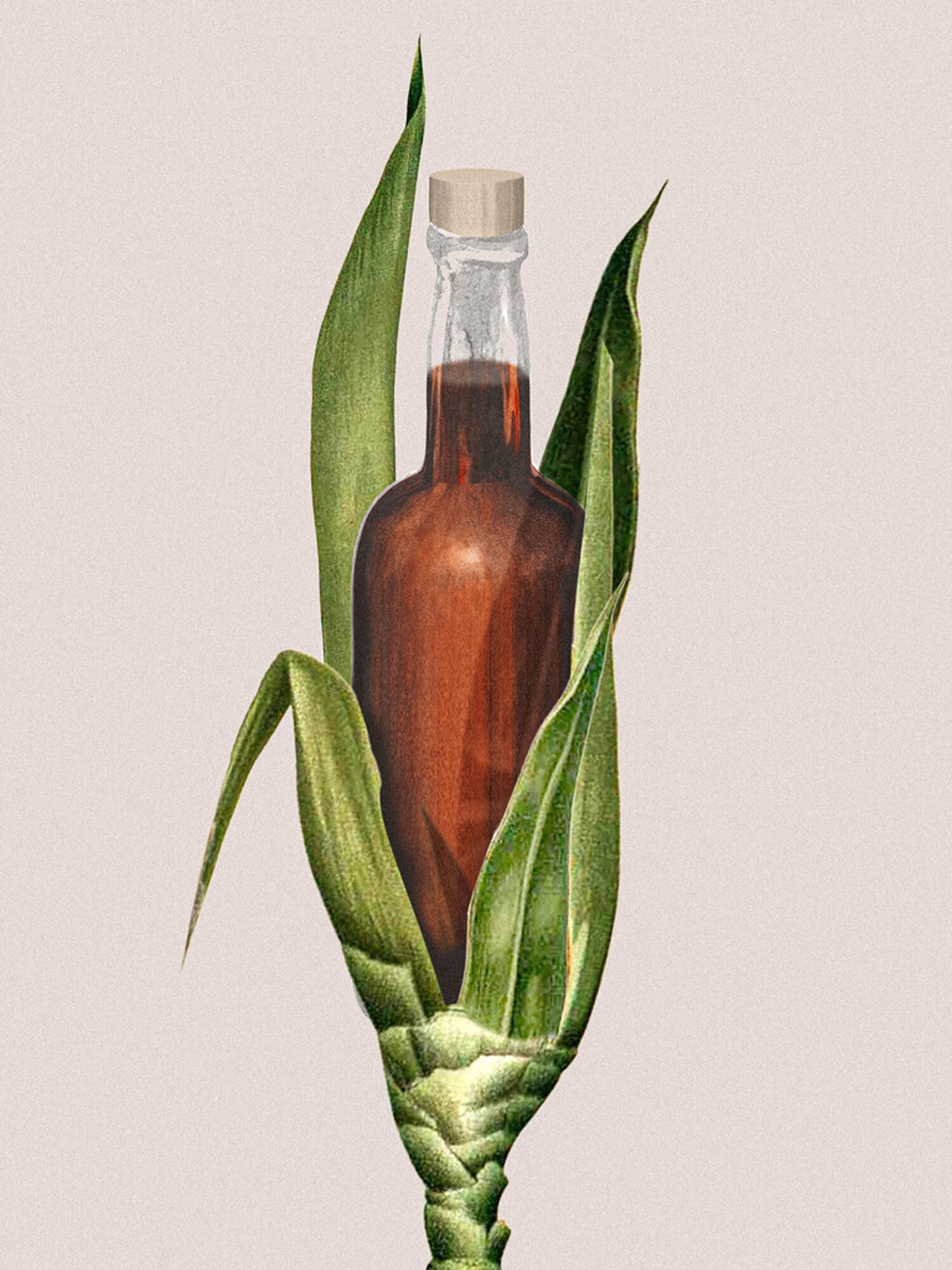
“Estate distillers” manage every step of whiskey production, from growing their own grains to bottling the finished spirit.
One night about 14 years ago, Jamie Walter was studying popcorn varieties while enjoying a glass of bourbon. A fifth-generation farmer, Walter and his father grew commodity corn and soybeans on land about 60 miles west of Chicago. But he knew they needed a new plan. Because they leased all of their farmland, they suddenly had fewer acres after some owners sold to developers. To earn more from their remaining fields, they decided to vertically integrate and create a product, like popcorn, to sell directly to consumers.
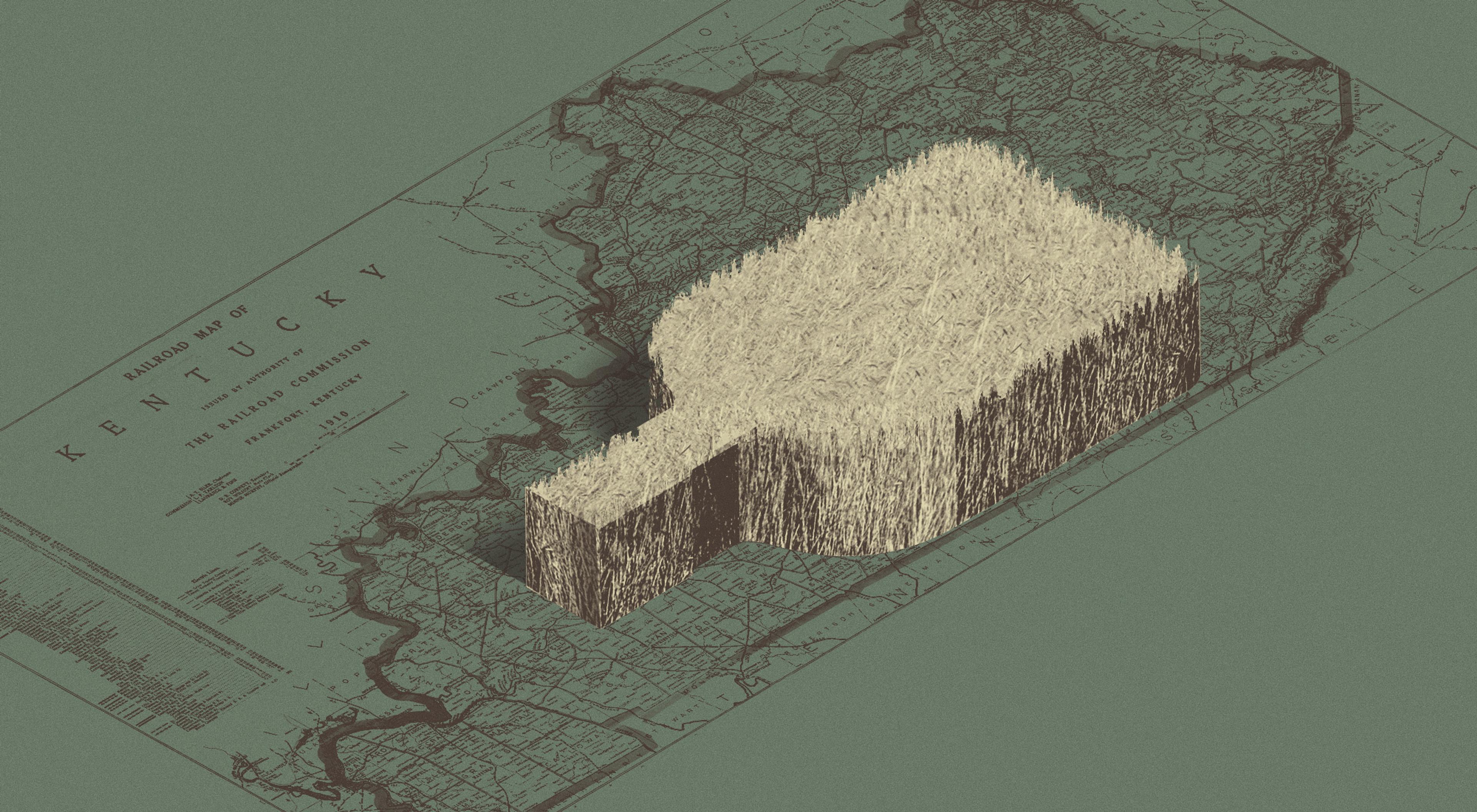

But Walter had some experience in the wine industry; he began wondering if different corn varieties could affect bourbon’s flavor, just as different grapes influence the taste of wine. Walter’s curiosity would prove to be life-changing. In 2013, Walter, his father, and a business partner founded Whiskey Acres, an estate distillery.
Estate distilling is an emerging segment of whiskey production. In this vertically integrated business model, each step of making whiskey happens in the same place from growing the grain to packaging the finished spirit. A grower interested in opening a distillery will need to invest a significant amount of time and resources in this expansion. While there are challenges, there are benefits such as the ability to stand out from competitors with bespoke spirits and an authentic brand identity. And because an estate farmer oversees the entire process, they control the quality of ingredients and the finished product.
Walter and his partners hired a consultant, once the master distiller for Maker’s Mark, who taught them and helped devise their equipment and mash bill, or distilling recipe. Eventually, they hired a full-time distiller and received a grant for their expanding business, but they continued growing commodity crops to maintain that income stream.
Permit issues almost ended their new enterprise. Their land was zoned for agricultural use, and an official believed that distilling and selling spirits was actually manufacturing and retail instead of vertically integrated agriculture. While Walter was ultimately successful, he and his team were tempted to quit during the months of permit disputes.
When they began distilling, Walter found that different yellow dent corn varieties did affect whiskey’s flavor. Yet he soon realized the team couldn’t save these seeds for future planting because they were patented. Whiskey Acres would need to buy new seed, but this meant they could not make the same whiskey over time since the companies that owned and sold these varieties regularly discontinued them in favor of newer ones.
“Vertical integration with distilling and farming is a business model that predates the founding of the country.”
Walter and his colleagues decided to shift to heirloom corn varieties. Heirloom plants aren’t patented so they could save their seeds and grow them year after year. But would they notice different flavors among the heirloom varieties? “Holy smokes, not only could we find them, but we found that they were amplified, just like maybe heirloom tomatoes,” Walter said. Since that discovery, Whiskey Acres has produced special bourbons from single varieties of heirloom corn such as bloody butcher, Oaxacan green, and blue popcorn.
Michael Swanson is an estate distiller who also discovered early on that varieties matter. A fourth-generation farmer, Swanson returned to his Minnesota family farm and opened Far North Spirits in 2013 so he could distill his own grains. About a year later, Swanson got a call from another farmer who was curious about AC Hazlet, a rye variety that Swanson described online as having a vanilla flavor.
He didn’t know it was an unusual description for the grain, commonly described as peppery. This exchange prompted him to contact a University of Minnesota expert, and they successfully applied for a grant to study whether flavor differed among ryes. After growing and distilling 15 varieties, they confirmed it did. This year, Far North won the Distilled Spirits Council of the United States’ Innovation Showcase for this work with “single varietal rye whiskey.”
According to Swanson, growing and distilling one’s own grain wasn’t a common practice when he started even though the idea wasn’t new. “Vertical integration with distilling and farming is a business model that predates the founding of the country,” he said. And it helps single varietal distillers because when they grow grain themselves they control the entire production process. If a distiller buys seeds in bulk, varieties are mixed. But estate distillers can ensure a particular variety is kept separate from other grains, thus producing a consistent final product.
Swanson noted that this ability to control each step of the process means a distiller can grow higher quality grain because they choose which varieties to plant and how to grow them. For instance, they can decide if or how much pesticide to use. “From a scientific perspective then, that quality and then the findings about varieties and flavor profiles give you a real significant advantage in the market—if you can figure out a way to take advantage of it,” he said.
“We’ve literally bet the farm on this particular proprietary strain of corn that we think is going to set the bourbon industry on fire.”
Walter and his team are taking this market advantage to a new level with their own corn variety. They created it from an heirloom Minnesota yellow dent corn and a red flint variety from Italy used in polenta. They’re working on securing the intellectual property rights for this hybrid so it won’t be available to competitors. They’ve also devoted more than half of their distilling efforts to this corn even though this unique spirit isn’t yet for sale. “We’ve literally bet the farm on this particular proprietary strain of corn that we think is going to set the bourbon industry on fire,” Walter said.
While unique products are one way to stand out in the market, brand identity is another. Both Walter and Swanson have noticed spirits brands relying on embellished or invented marketing content, and they believe that there is value in advertising their vertically integrated business model. “You have a very authentic marketing story and brand story because it’s absolutely the core of what you are as opposed to making up a story about an old prohibition recipe or something like that,” Swanson said.
But it can be difficult to identify actual estate whiskey distillers. Research from the Estate Whiskey Alliance (EWA), a nonprofit founded in 2024 at the University of Kentucky that supports the estate whiskey craft, indicates that there could be hundreds in the U.S., the EU, the UK, Canada, and Japan based on the distilleries’ descriptions of themselves.
“It’s absolutely the core of what you are as opposed to making up a story about an old Prohibition recipe or something like that.”
Alexa Gallagher, associate director of the EWA, suspects not all of them would qualify. “So many people are trying to claim that they’re doing this, and they’re actually not,” she said. “Which is why we exist to be able to really get a consumer trusted and recognized mark of what is estate whiskey, what is not, and also to help distilleries that are interested in becoming estate producers get there.”
To be certified as an estate whiskey, the EWA requires that two-thirds of a product’s grains be cultivated on land that the producer either owns or manages and is located within 75 miles of the distillery. Also, each step of creating whiskey including bottling must happen at the producer’s distillery.
Whiskey Acres is an EWA member, and for Walter, the group represents “strength in numbers.” The EWA has recently awarded funding to a research project on terroir, and Walter sees that as the next big trend in estate distilling.
Swanson is also focusing on terroir. Results from his original rye variety study showed that the plants cultivated on his land had more of a certain flavor compound than plants raised elsewhere. So he is planning to conduct a new study to determine whether location affects flavor. “If I wasn’t growing my own grain and making whiskey here on the farm as a vertically integrated ag business, none of this would have been possible,” he said.