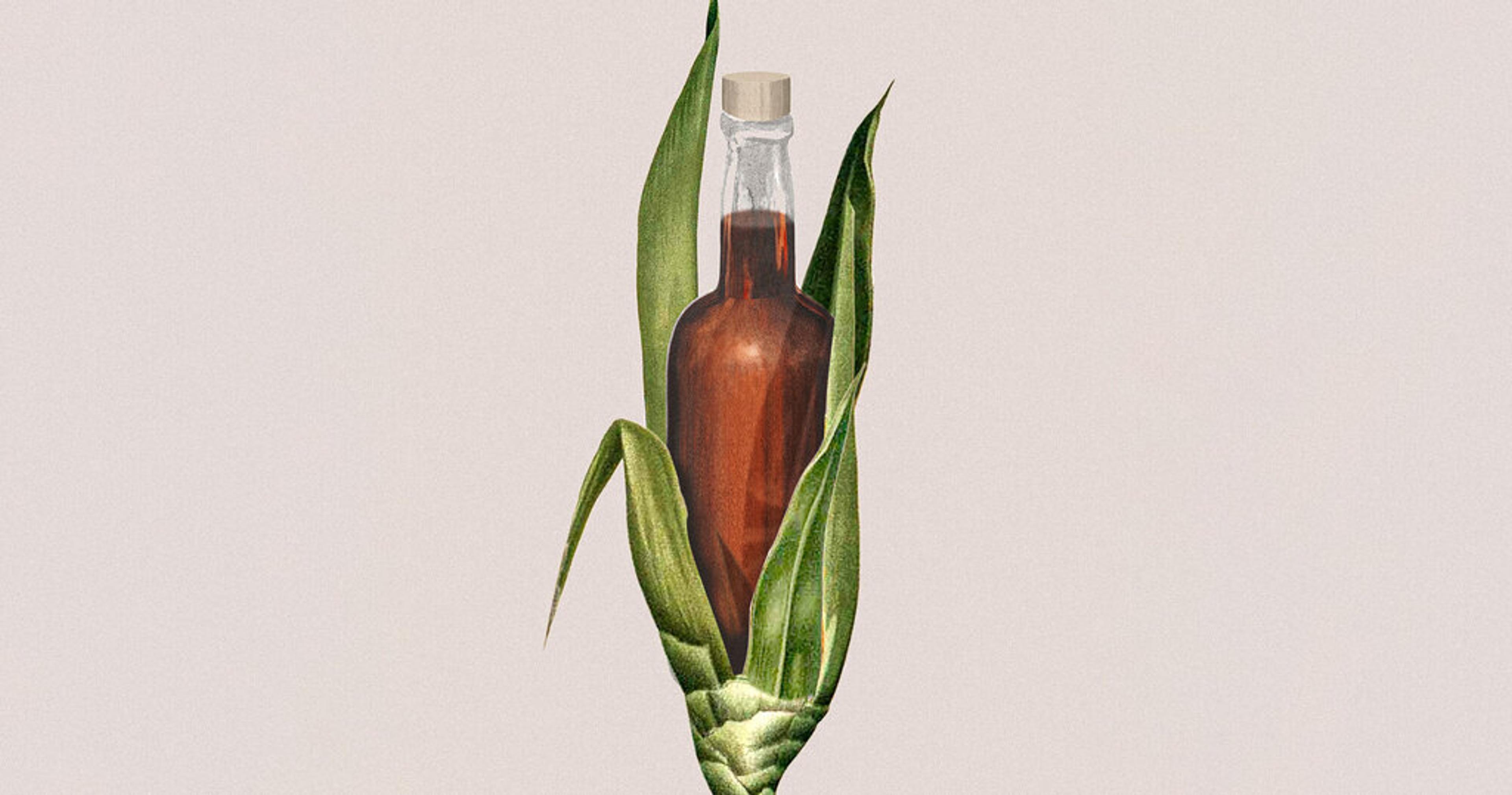
As climates shift and traditional growing regions suffer, the American South has potential to be the next global olive oil source.
The olive tree’s journey to American soil stars an unlikely protagonist: Thomas Jefferson.

The Founding Father fell for the fruit while traversing the Mediterranean on muleback in the 18th century, keeping record of his musings in a journal and letters. He once described the olive as “the richest gift of heaven.” Jefferson dreamed of olive orchards across the U.S. He encouraged farmers in South Carolina and Georgia to introduce the trees. But it wasn’t meant to be—the climate, including humidity and frosts, doomed the idea.
Hundreds of years later, the Polings are taking inspiration from his botched attempt.
Based in Glennville, Georgia, Woodpecker Trail Olive Farm produces between 15,000 to 18,000 bottles of olive oil annually. Their product was named one of the best in the world at the prestigious New York International Olive Oil Competition.
“It’s getting bigger every year,” Curtis Poling said. “It’s growing.”
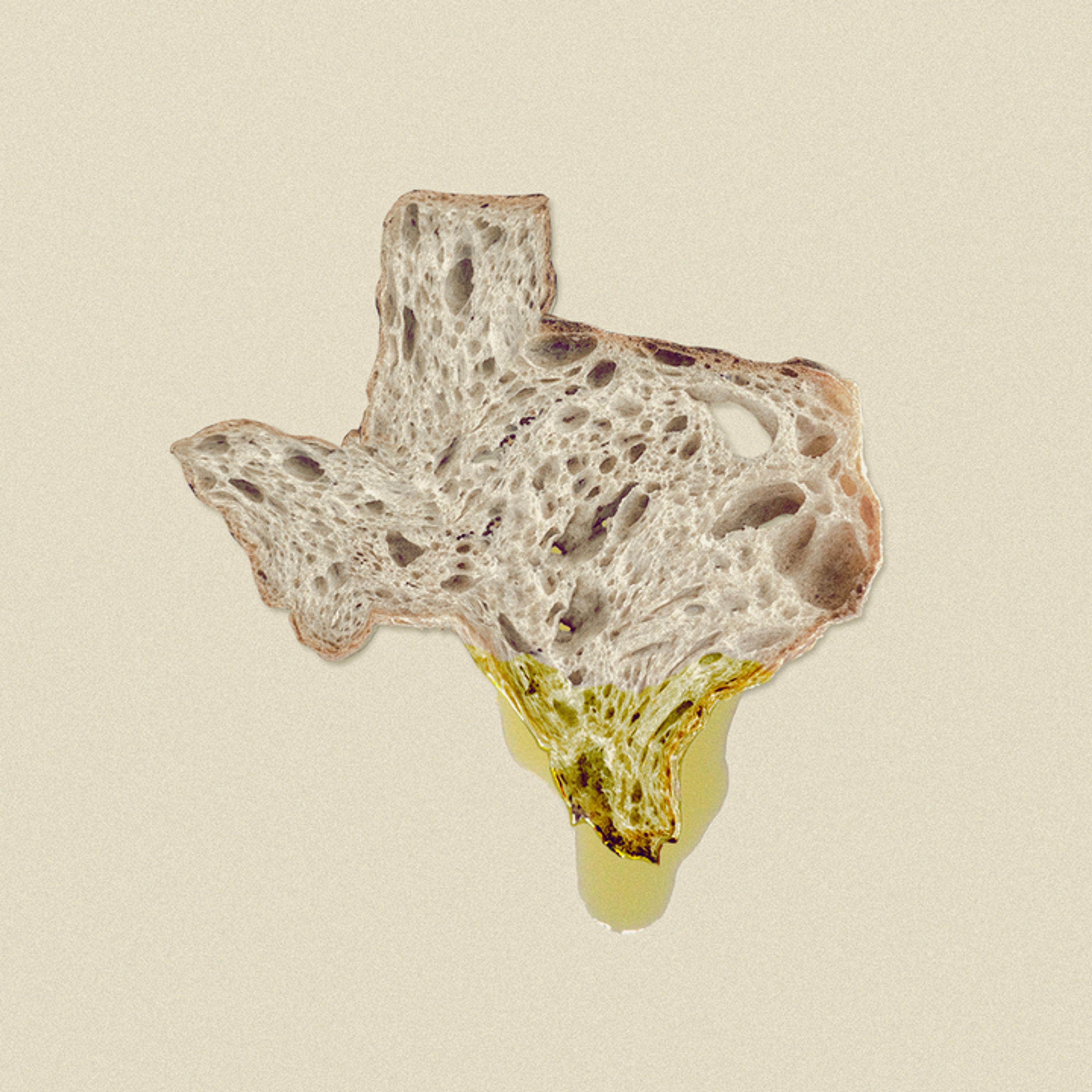
Though Spain reigns supreme as the world’s largest olive oil producer, a new player is emerging in the global industry: the American South. Farmers in Texas and Georgia in particular are trying their hands at nurturing trees to satiate the country’s ravenous appetite for olive oil. And in the right locales, they’re finding more success than Jefferson. While California remains the country’s forerunner in olive oil production, several Southern states are rising to the occasion.
The Golden State logged the most acreage for olive trees in 2022, followed by Texas, according to the U.S. Agriculture Department’s National Agricultural Statistics Service Information.
Meanwhile, change is afoot in the global market, particularly in the Mediterranean region. This year, olive oil exports dropped, and imports climbed in Spain. Italy—another olive oil powerhouse—has watched production shrink as of late, with reports of sluggish sales, shifting prices, and trade fluctuations in both Italy and Europe.
While Americans consume 90 million gallons of olive oil each year, the U.S. only produces about 5% of that.
In the U.S., “thankfully, we’re starting to plant a lot of olive trees,” said Jill Myers, founder of Women in Olive Oil, an international network of women who work in the industry. While Americans consume 90 million gallons of olive oil each year, the U.S. only produces about 5% of that, according to the American Olive Oil Producers Association. Myers described it as “a New World oil.”
She’d like to see different regions experiment with olive growing. Respective climates, soils, and altitudes result in individual terroirs. Oregon, Florida, and Arizona also have a smattering of olive oil farms.
However, the industry remains hamstrung by climate change, affecting which areas can successfully bear fruit. While olive trees resist droughts, they can’t take frosts, extreme heat, or overwatering. Plants that were once suited for certain climates no longer are, and farmers are trying to keep up with which areas support different types of production.
While the South’s olive oil production is on the rise, challenges loom ahead. The nonprofit Public Citizen determined “Texas is the U.S. state most vulnerable to climate change,” with increasing chances of hurricanes, droughts, wildfires, and floods. The U.S. Environmental Protection Agency expects Georgia will grow warmer and suffer “severe” floods and droughts.
“We’re Blessed”
Spanish missionaries produced olive oil for the first time on American soil around 1803 in California, Marc Flacks wrote in “New Missionaries: In the olive groves of the Golden State.” Much of the state operates in a Mediterranean climate, with dry, hot summers and mild winters—weather in which olive trees thrive.
Similarly, the Texas Hill Country, a drier region in Central Texas, offers toasty temperatures that can hit cool lows. For that reason, the state has made gains with its wine vineyards.
“Texas has a lot of land. There’s a lot of grapes growing there,” said Myers, who hails from the Lone Star State. “Olives and grapes grow well together.” Sometimes, they’re even planted together, with BKWine Magazine depicting the pair as “an inseparable duo.”
Georgia contends with humidity, “but they’re also making some really good olive oil,” Myers added. At Woodpecker Trail Olive Farm, the Polings just kicked off the annual harvest, which entails handpicking the olives off more than 10,000 trees. “It’s all labor-intensive,” Curtis Poling said. “There’s no machine harvesting,” in order to better preserve the olives’ polyphenols and their sought-after health benefits.
A team of around 30 workers pick the olives, utilizing bins that hold up to 1,000 pounds each. To beat the September heat, the olives are then cooled to about 60 degrees before they’re milled within 12 hours.
“You don’t work that much all year, except for when you’re pruning,” Tracy Poling said. “The harvest day is the big day.”
“We match Turkey and Jordan in this latitude.”
The Smith estate in Glennville, Georgia, has been passed down through her family for almost two centuries. Out of 300 acres, 20 acres make up the olive grove. When they cut the timberland down to make room, neighbors thought a chicken house might be going in, Curtis added. His farm research dates back to 2013. For example, 50 miles south, it’s too hot to plant olive trees.
Woodpecker Trail Olive Farm, however, stands out for its sandy soil—an anomaly in the land of Georgia red clay. And at the farm, “we match Turkey and Jordan in this latitude,” Curtis said.
Issues arise when the weather gets temperamental. A “freak snowstorm” once wiped out the majority of 2,000 trees, Curtis said. But ultimately, he found an ace in the hole: around 50 acres of the property made up of wet areas that are home to magnolia trees. They insulate the olive tree grove during the winter, creating a sort of protective thermal blanket. “We’re blessed,” Curtis said.
While the Polings find themselves in an enviable position, other aspiring producers can take notes about location, soil type, and strategy to pad their chances of success.
“A Crapshoot”
Texas also experiences hailstorms and sudden freezes, which can ravage olive trees.
Frank Majowicz, founder of Dell’s Favorite Texas Olive Ranch, witnessed the destruction firsthand at his farm in Elgin, Texas. In 2021, the temperature plummeted to 4 degrees, and he was forced to cut 1,180 trees. That year, he planted 700 new trees. Two winters later, those were offed, too.
“The weather patterns recently have really devastated the olive industry in Texas, because of the winters,” Majowicz said. “Olive trees do not like to be very, very, very cold.” Chills below 20 degrees are death knells, he added. “It’s a crap shoot.”
Even as winters warm due to climate change, the phenomenon can still result in sporadic periods of frigidity—and some experts believe the tempestuous weather is here to stay, per The Texas Tribune.
“It was successful at first. It’s been a battle with Mother Nature ever since.”
Majowicz and his wife, Renee, purchased their land about 15 years ago after he wrapped his decades-long career as an executive chef at Hyatt Hotels. Originally, he wanted to grow mushrooms. Upon realizing they wouldn’t flourish, Majowicz pivoted to olive trees.
They were planted in 2014, with the first harvest two years later. “It was successful at first,” Majowicz said. “It’s been a battle with Mother Nature ever since.”
He sells bottles of oil online, shipping across the U.S. Demand isn’t the problem—instead, it comes down to supply. Majowicz remains hopeful about his current grove.
“When it’s good, it’s good,” he said. “When it’s bad, it’s terrible.”