
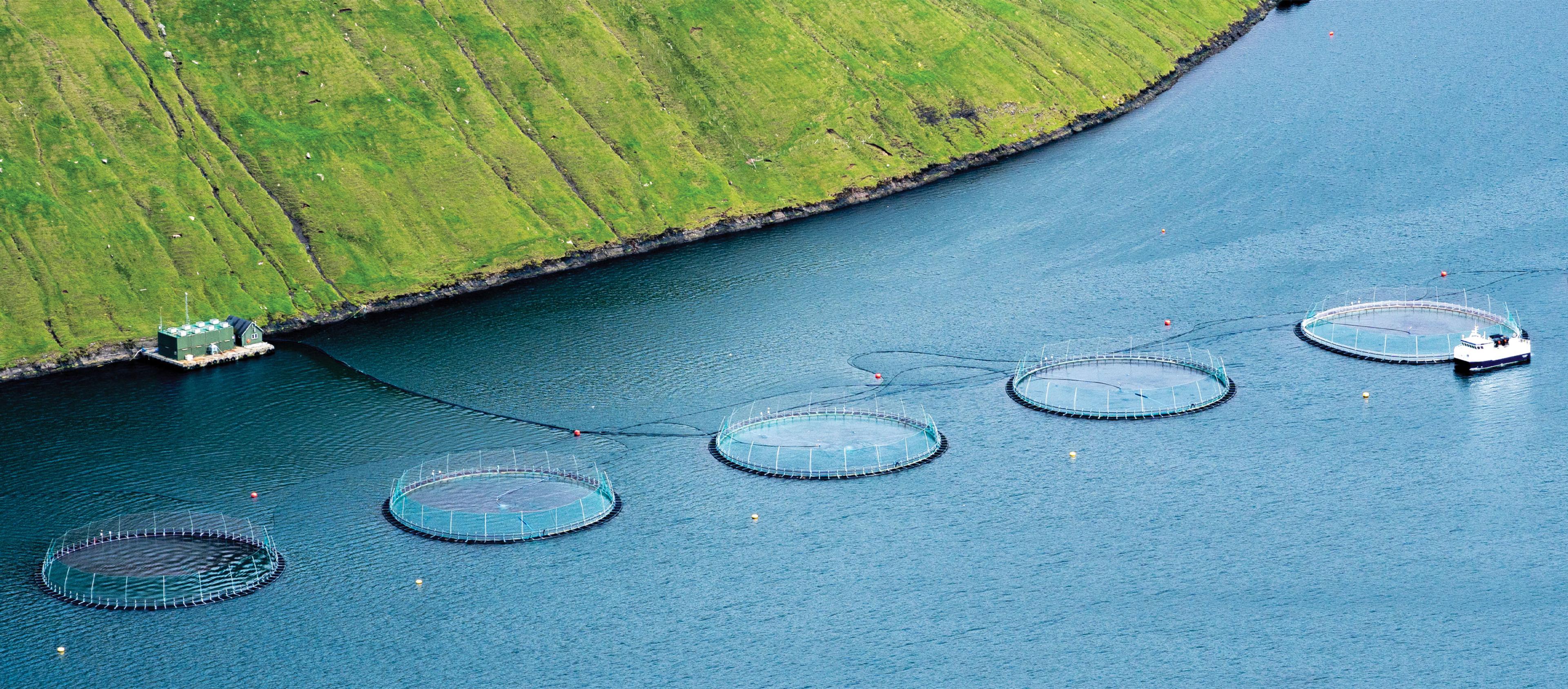
The Hood Canal in Washington state is home to a multimillion-dollar aquaculture industry. For the second time in recent history, algae blooms have shut it down.
The lowest daytime tide of the year recedes along the Hood Canal fjord, exposing clam, oyster, and geoduck beds. On a normal year, the half-mile of tideflat bustles with locals and Seattleites harvesting shellfish. This year the beaches were bereft of these enthusiasts, save for the occasional farmer or scientist collecting shellfish samples for testing. While local birds were happy to eat them with abandon, the shellfish contained an accumulation of toxins that can be fatal to mammals.
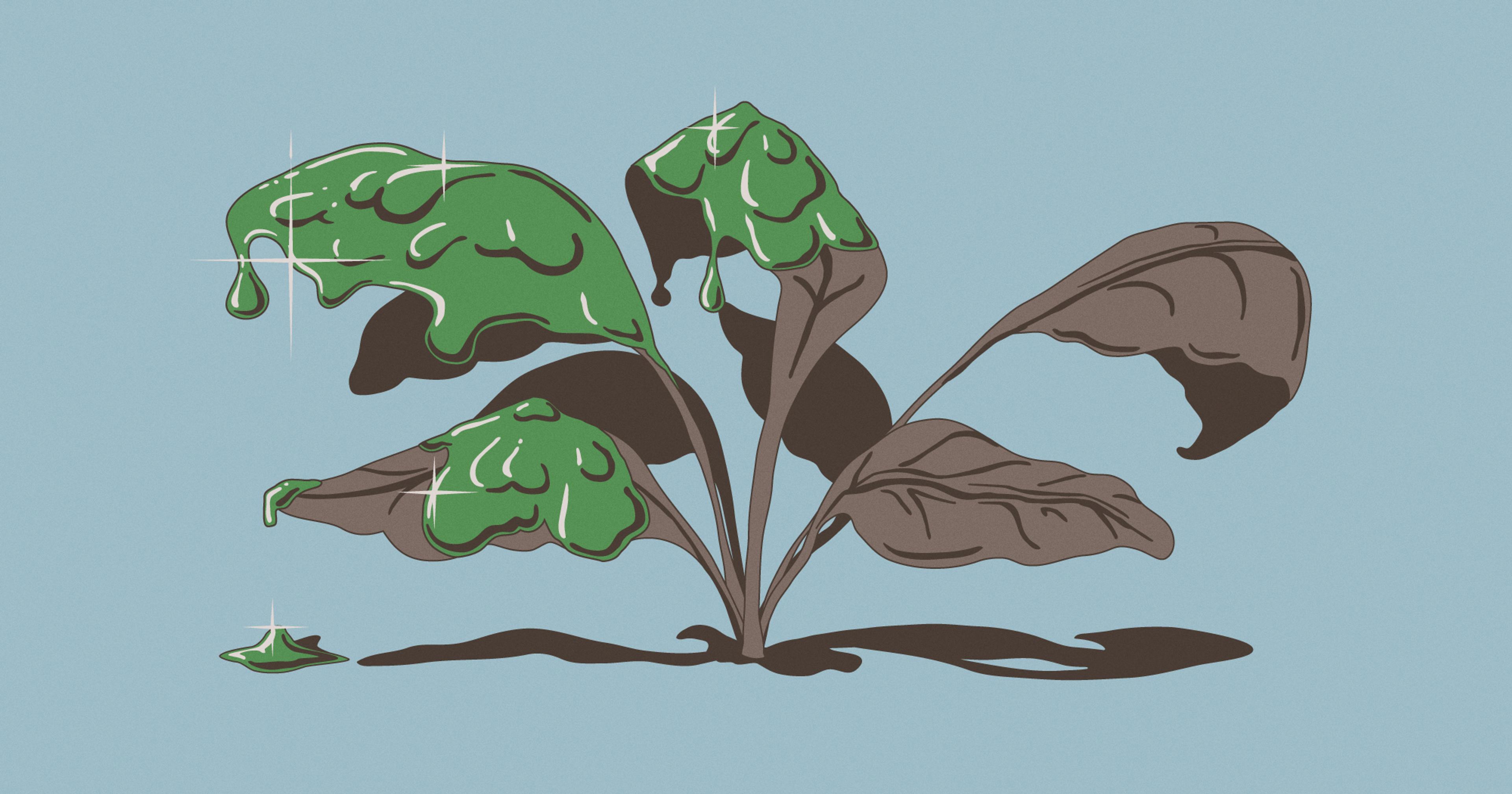

For the second time in recent history, Hood Canal beaches closed this year for recreational and commercial harvesting due to an alarming bloom of an algae called Alexandrium catenella. Alexandrium is capable of producing fatal levels of saxitoxin. As bivalves such as oysters ingest the algae, the toxin can accumulate in their bodies. If consumed by humans or other mammals, the accumulated toxin can cause paralytic shellfish poisoning (PSP).
“There’s nothing you can do about PSP. You can’t cook it out. You can’t process it out. It doesn’t matter if you freeze it. You could incinerate the product and then eat the ashes and I’m pretty sure the toxin would still be there,” said Lissa James, 6th-generation owner of Hama Hama Oysters in Lilliwaup, Washington.
The Hood Canal produces 15% of Washington’s $200 million+ shellfish industry, an important food source for local tribes and a destination for recreational harvesters. Shellfish closures during the summer incur a significant economic impact. A 2025 PSP closure in nearby Willapa Bay led to over a million dollars in losses. Given PSP’s ability to shut down shellfish grounds, an increase in blooms could pose a grave threat to the seasonal production of shellfish farms in the Hood Canal.
While nobody can put their finger on exactly what is causing the frequency of blooms to increase, the changing climate is at the top of the list of suspects. At the same time, the monitoring systems that keep the public safe from harmful algal blooms are improving rapidly.
An Unlikely Location
Stephanie Moore, research oceanographer at NOAA’s Northwest Fisheries Science Center, said that Alexandrium has appeared in the Hood Canal multiple times in recent history, including five years in the 1990s and more recently in 2014.
“In 2014, we had a paralytic shellfish poison event in the north part of Hood Canal. It was very unusual, we’d never had a closure there,” said Jerry Borchert, Marine Biotoxin Lead with the Washington State Department of Health (DOH).
The event was minor and resolved quickly, but Borchert and a team from NOAA were tasked with conducting emergency monitoring of sediment to look for cysts of Alexandrium. Some algae are capable of entering a dormant state known as a cyst. These cysts sink to the ocean floor where they can lay dormant for years. When growing conditions become favorable, they can germinate and reenter the water column.
“We found out that there were Alexandria cysts or seeds laid out throughout the canal, that means that we had potential cysts that could start a new bloom,” said Borchert, “I put everybody on high alert in the spring of 2015 and sure enough we had another PSP event.”
Mapping the Blooms
“These things have been around for a long time, this is not new in this part of the world,” said Cheryl Greengrove, associate professor of Geoscience at the University of Washington Tacoma. In 1793, Captain George Vancouver, known for charting the West Coast of North America, saw members of his crew succumb to PSP off of Vancouver Island.
“We collected a long core sediment sample in 2012 in Sequim Bay and then chopped it up. There were cysts from 100 years ago in the sediment that researchers were able to germinate,” Greengrove said. These viable cysts suggest that PSP can lurk in the sediment for decades. Cysts from this year’s bloom may rear their heads without warning at a future date.
Vera Trainer, who spent 30 years researching harmful algal blooms at NOAA, found that the frequency of PSP has increased over the second half of the 20th century across the Puget Sound.
“I worked with a student at the University of Washington to look at climate change. We found that our biotoxin season starts earlier than it used to,” said Borchert. “We actually see biotoxin closures every month of the year now.”
“There’s nothing you can do about PSP. You can’t cook it out ... You could incinerate the product and then eat the ashes and I’m pretty sure the toxin would still be there.“
Borchert points to more sunshine, less wind, and warmer water as key contributors to the increase in blooms over the past decade. The low snowpack from during the warm, dry winter may also have contributed to this year’s bloom.
“We saw a real change in water quality based on very low runoff from along the Olympic Peninsula from the Olympic mountains. This year, the snowpack was very low,” said Joth Davis of the Hood Canal-based Baywater Shellfish and Pacific Hybreed, a shellfish breeding laboratory.
“What I’m really concerned about, is that these spores settle into the sediments and, at the right opportunity, rise in the future. They basically re-hatch,” says Davis, “Now you’ve almost contaminated your area and have a higher likelihood of more PSP.”
Davis has seen sales down by up to 50% from one of his farmsites on the Hood Canal. “One of the things that I’m thinking about a lot right now is developing other sites for aquaculture. I think in order to keep ourselves sane and diversified, we are absolutely looking for ground in other parts of Puget Sound,” he said.
Monitoring for Safety
“Hats off to the Department of Health for both getting commercial harvesters straightened out really quickly, and also for getting the word out to all of the recreational harvesters,” said James of Hama Hama Oysters. “They had boats going up and down the Canal at low tide and they would stop anyone on the beach and say, ‘Hey, you know, you can’t eat shellfish right now.’”
Michelle Lepori-Bui is program manager at SoundToxins, a partnership of tribes, farmers, universities, and volunteers that monitor harmful algal blooms. “We work really closely with the Department of Health and all of the data that we collect is entered into a database that the Department of Health has access to so they can see when cells are present in the water,” said Lepori-Bui.
This year the DOH began using a new testing method to detect PSP developed by NOAA, the Receptor Binding Assay (RBA).
“It’s a different test that does not rely on mice and also has a different sensitivity,” says Lepori-Bui. The previous standard for testing shellfish toxicity relied on live mice. With supply chain interruptions and post-Covid price increases, live mice became difficult to source, said Lepori-Bui. Washington State Public Health Laboratories implemented the RBA in autumn of 2025.
“They had boats going up and down the Canal at low tide and they would stop anyone on the beach and say, ‘Hey, you know, you can’t eat shellfish right now.’”
When they first detected low levels of PSP, they weren’t sure whether or not this new test was presenting a false positive. The next day, a SoundToxin monitor found Alexandrium cells, a finding that encouraged the DOH that the RBA was working. They mobilized the rest of the monitors along the Hood Canal and began taking samples.
“The RBA allowed us to see really low trace levels in the first week of June. Had we been using the mouse assay we would not have seen those low levels,” said Borchert. “I attribute the new sensitivity of this method to preventing a mass recall or even illnesses.”
The DOH generally relies on scheduled routine sampling, but Borchert occasionally receives samples from local tribes who notice changes in the environment. “They’ve been here for 1000s of years and can read the environment; they know what happened in the past and where to avoid,” said Borchert.
“There is traditional ecological knowledge, and the Indigenous people are certainly aware that at certain times of the year you need to be cautious,” said Joseph Pavel, director of the Natural Resources Department for the Skokomish Tribe.
As the frequency of blooms increase, the only option may be to stand by and monitor the fishery.
Despite the extended closure and portent of future blooms, Pavel is ultimately upbeat about how the bloom was handled. “I think it’s important to know and recognize that the system works. We haven’t had any reports of any illnesses being tracked back to our harvest here and we didn’t have any unsafe product reach the market.”
If the shellfish industry is to stay afloat through turbulent waters, it will require cooperation across industry and government.
“The shellfish industry is really the tip of the spear on water quality writ large. The industry is very focused on sustainability and stewardship of the marine environment and the shorelines that we all depend upon for growing food,” said Davis, “At the end of the day, we are growing really high-quality, sustainable, healthy food, and we want to keep doing that. It absolutely requires a clean environment and cooperation with communities, the state, and the counties.”
The variables that contribute to PSP are largely beyond human control. As the frequency of blooms increase, the only option may be to stand by and monitor the fishery, ready to step in when public safety is at stake.