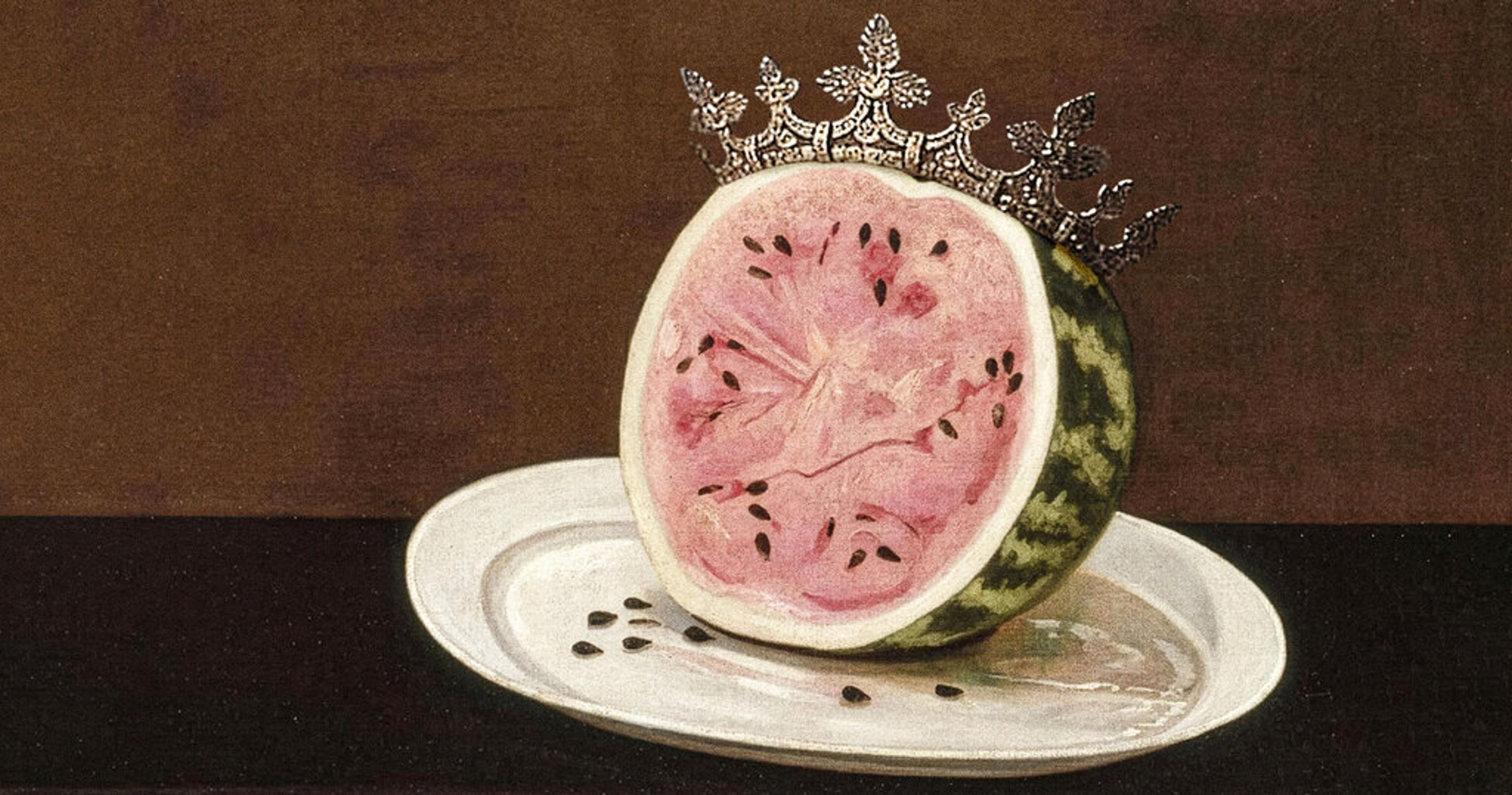
Georgia’s “watermelon brand ambassador” is a queen in all but name.
This story was published in collaboration with The Food Section, a publication covering foodways of the American South.
As the United States celebrates its semiquincentennial summer, many citizens will tuck in to a juicy slice of the republic’s favorite melon: watermelon, a fruit with flesh as vibrantly red as the stripes on an American flag.
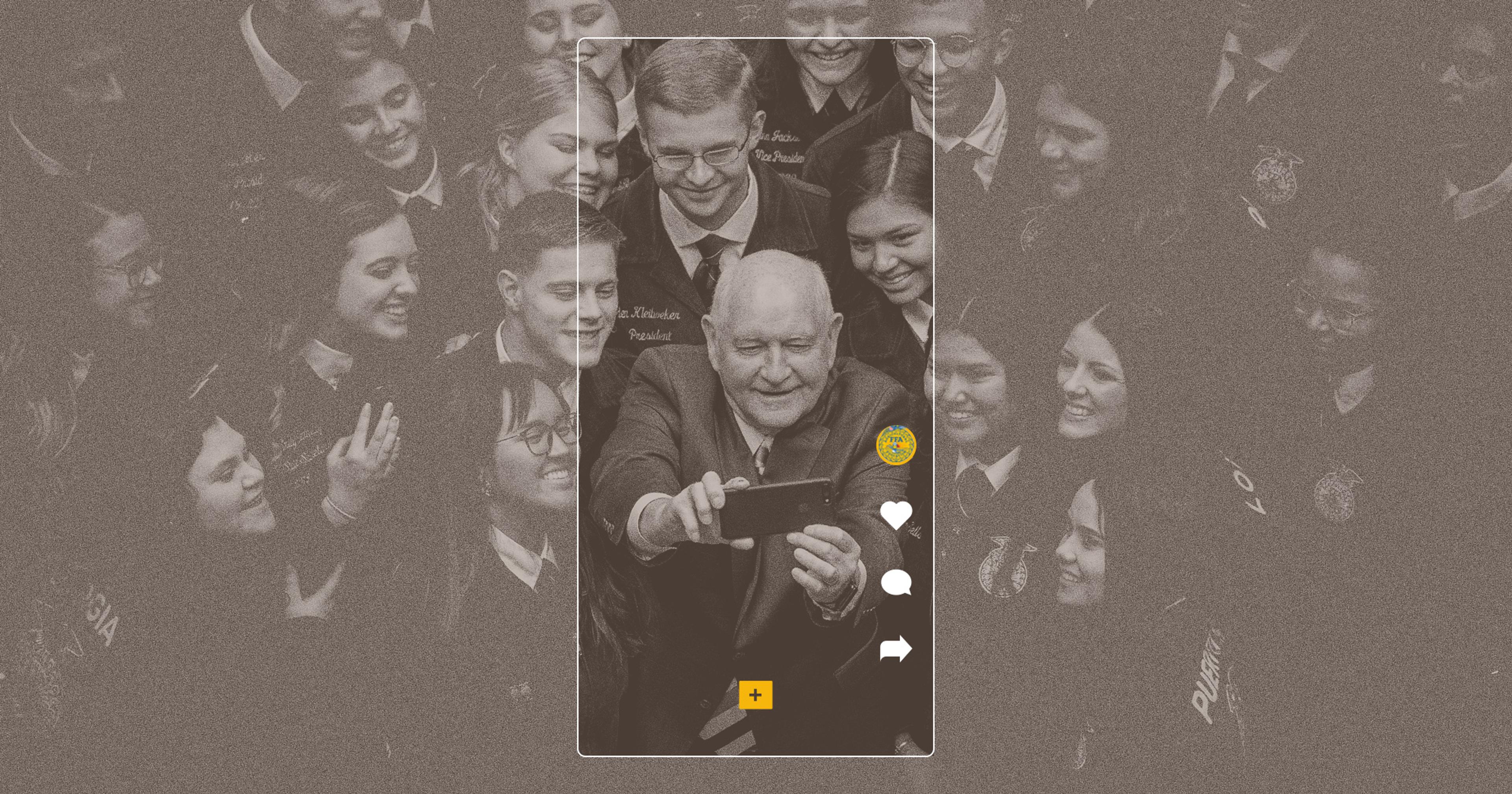
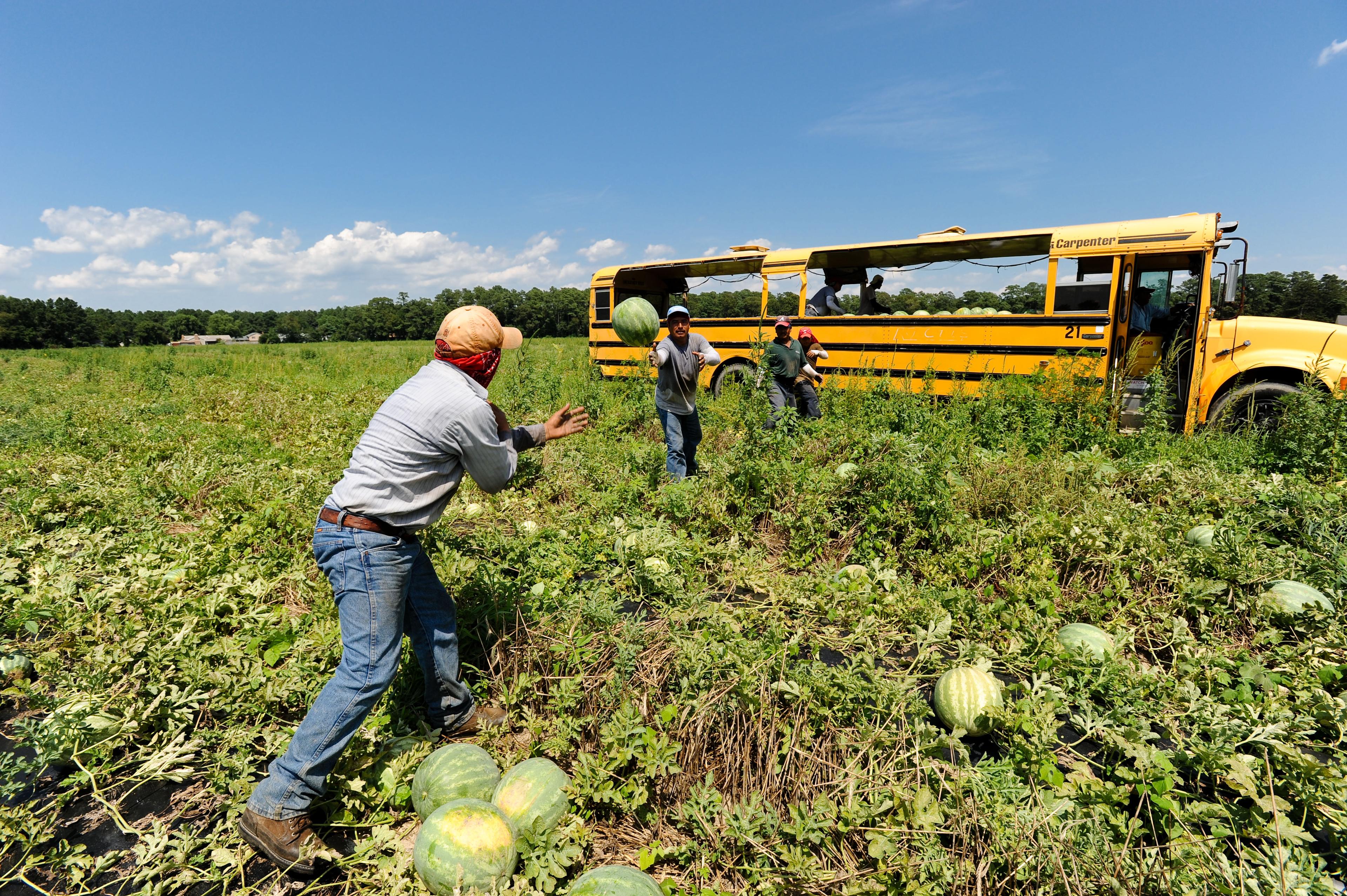
What those patriotic picnickers may not realize, however, is that U.S. watermelon farmers haven’t completely shed the trappings of monarchy. They pledge allegiance to Queen Katelyn Lindsay, the latest to rule over the National Watermelon Association.
Since 1964, the NWA has coronated a queen at its annual convention, complete with the beauty pageant trappings of crown and sash. Lindsay and her predecessors could even be considered empresses, having emerged triumphant from a competition among the queens of the nine state and regional watermelon associations.
Yet in the vassal state from which Lindsay hails, watermelon’s ruler is styled more like a civil-service diplomat than a member of a royal court. In 2023, the Georgia Watermelon Association renamed its queen to be the “Georgia Watermelon Brand Ambassador.” In a photo gallery of past queens, the dividing line is obvious. Gowns and tiaras are out, polos and blazers are in.
The last of Georgia’s watermelon queens, Charley Lollis Sheffield, now serves as the GWA’s promotions coordinator. She says the ambassador name change has attracted a broader field of young women to compete for the title — and the very real duties that come with it.
“They’re applying for more than just an evening gown and a pageant, but to be an advocate for our industry,” Sheffield says. “We really were lacking in participation, and we have really seen that grow over the past three years.”
Even before the name change, the ambassador-née-queen’s work went far beyond looking pretty. She serves as a sort of influencer for watermelon interests, responsible for social media content, legislative visits, and a packed schedule of promotional events. Georgia’s ambassador receives a $10,000 college scholarship and an impressive line on her resume; many, like Sheffield, go on to successful careers in agricultural sales or marketing.
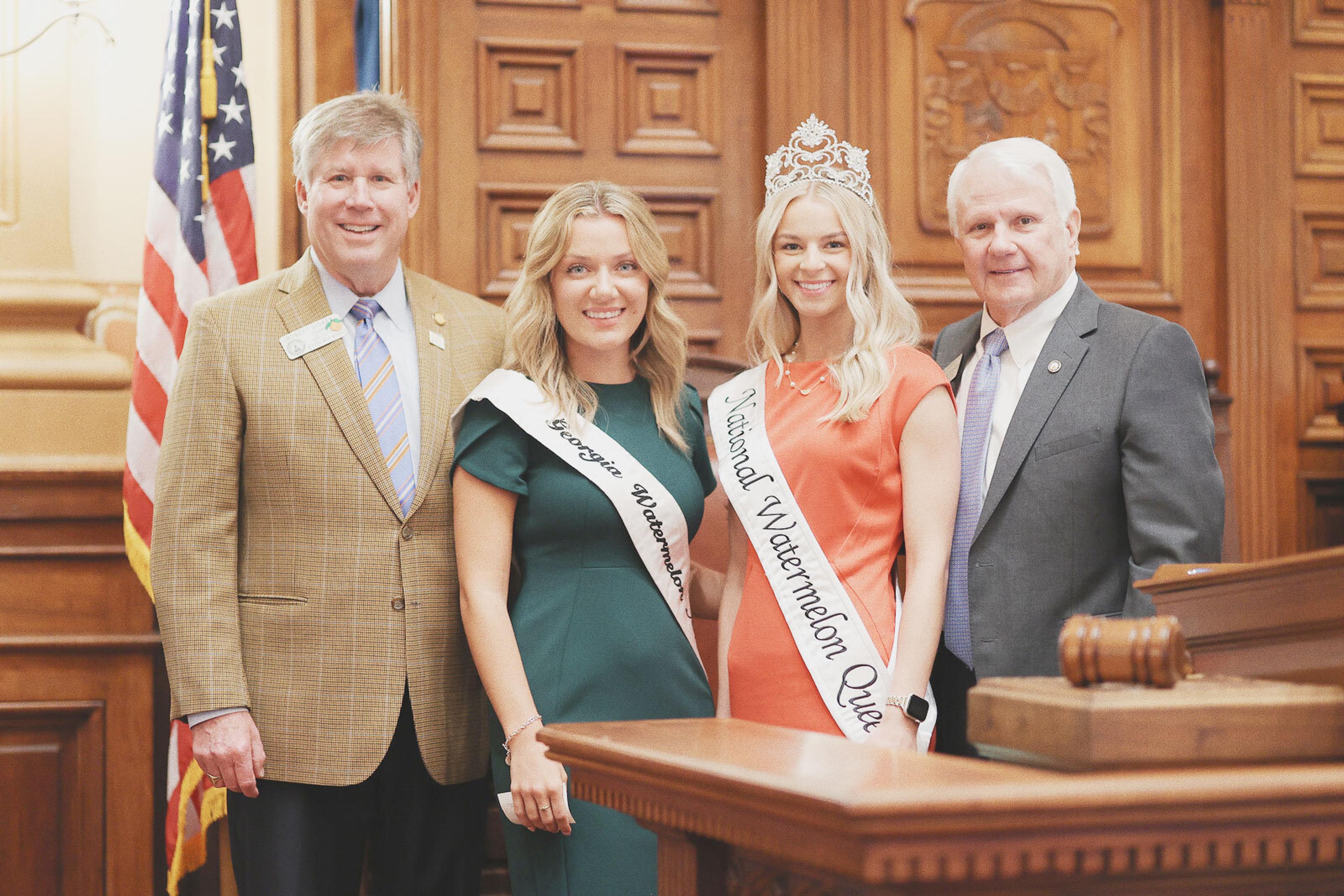
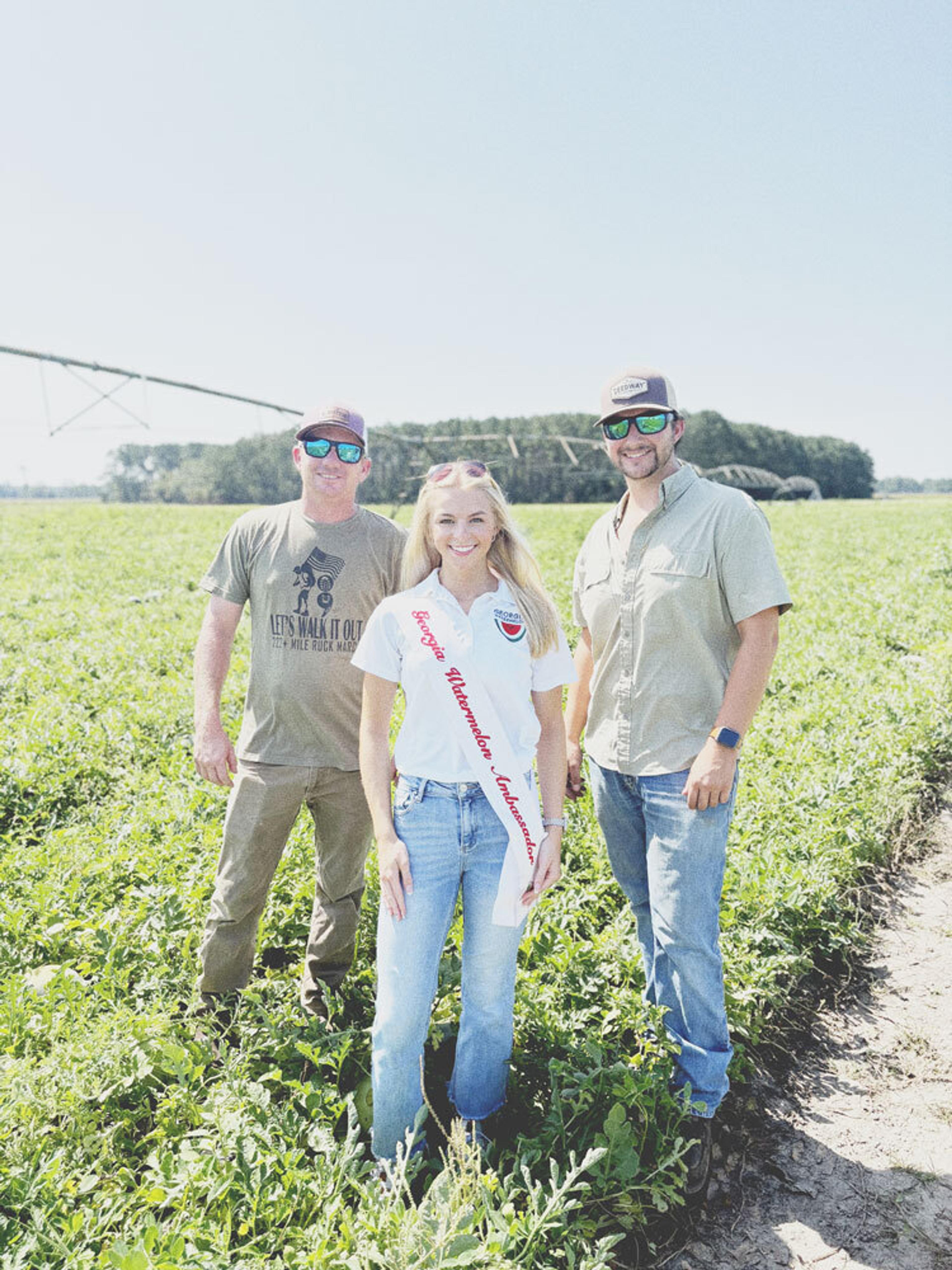
That’s the plan for Gracie Bananto. The current ambassador is a rising senior at Abraham Baldwin Agricultural College in Tifton, Georgia, majoring in agricultural communication with a minor in agribusiness. Whether sharing watermelon with NASCAR driver Ross Chastain, educating customers in a Kroger produce section, or connecting with farmers in the field, she sees her work as a professional calling.
“Traveling throughout the Southeast and meeting with farmers, I’m getting to learn their stories and use what I’ve learned,” says Bananto. “Being able to do that for the rest of my life is definitely what I want to do.”
*
America’s agricultural queens haven’t always had Bananto’s level of responsibility. Blain Roberts, a professor of history at California State University, Fresno, traces farm commodity royalty back to the 1930s. Back then, the Southern tobacco industry was looking for new ways to boost its crop amid the economic downturn of the Great Depression.
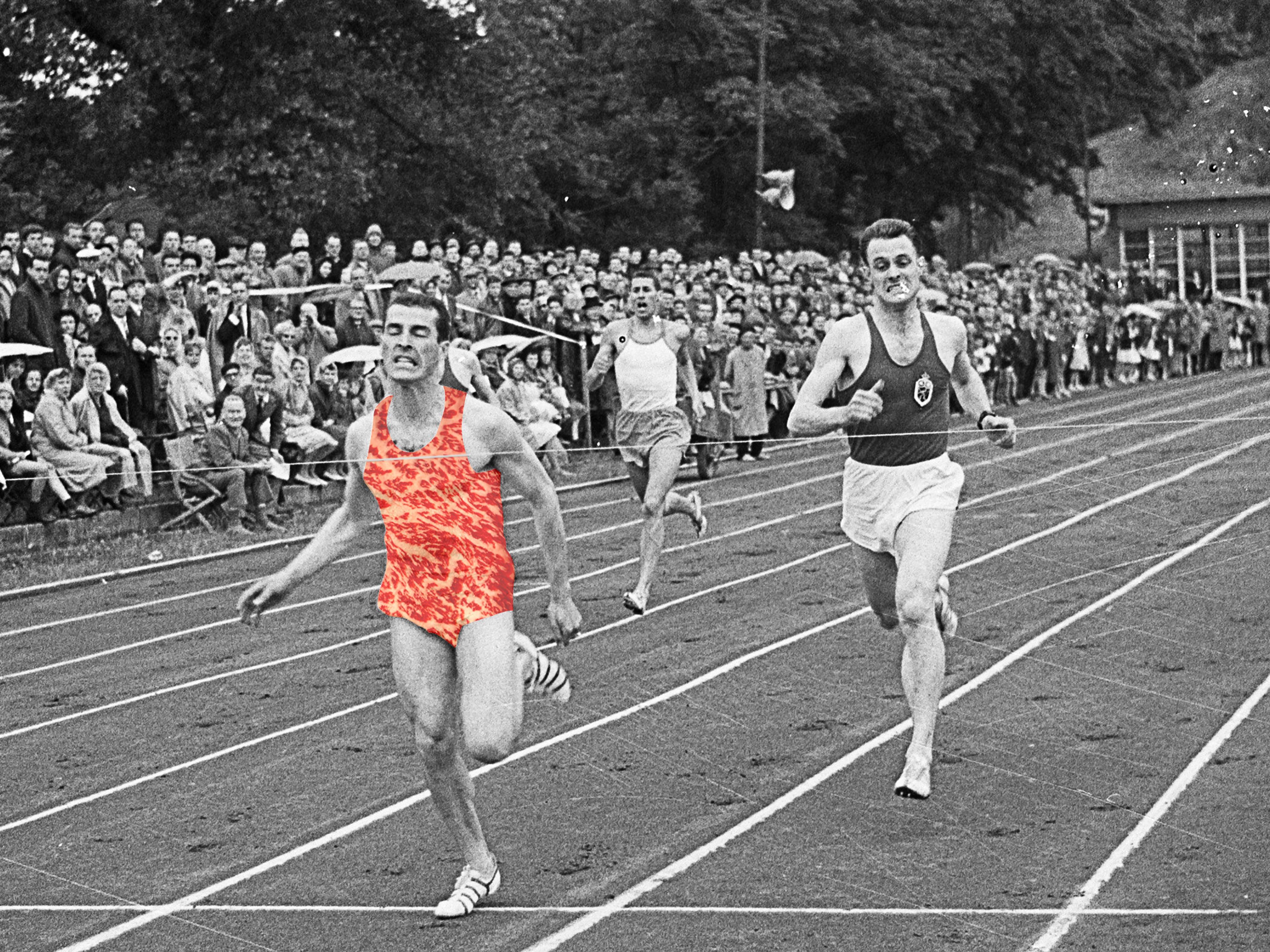
In her 2014 book Pageants, Parlors, and Pretty Women, Roberts argues that marketers drew from existing traditions, such as state fair judging and “health contests” sponsored by county extension agents, to develop agricultural pageants. Those early pageants focused almost entirely on appearance—archival photos show contestants in two-piece bathing suits made of tobacco leaves—or gimmicky (and suggestive) competitions like a race to finish a foot-long cigarette.
But as other commodities adopted the pageant idea, Roberts says, their winning queens started to take on bigger roles. She points to the National Cotton Council’s “Maid of Cotton” contest as a key early example. Alice Beasley, the 1941 winner, received a complementary modeling course, travelled internationally, and featured prominently in advertising materials.
The lessons have become increasingly sophisticated over time. There’s less recipe demonstration, more biology and crop science, and a primer on how to make watermelon sizzle on social media.
“She was supposed to wear these clothes; she was supposed to be able to talk eloquently about the benefits of cotton and why it is superior to something like a synthetic,” Roberts explains. “She needs a beautiful face and a beautiful body, but she has to know a little bit. It really became kind of a job.”
The Maid of Cotton contest ended in 1993, but other agricultural commodities have carried on with the tradition, increasingly using their winners as industry spokeswomen and advocates. In addition to watermelon queens, there’s an American Honey Queen, National Cherry Queen, and Wisconsin’s crown-wearing Alice in Dairyland. Louisiana has a particularly robust queen culture, including a Shrimp and Petroleum Festival queen.
In keeping with her role’s importance, Bananto recalls the rigorous assessment she faced on her path to becoming Georgia’s watermelon ambassador. Competing against six other finalists at the state convention, she had a professional interview and public speaking assessments, as well as an omnipresent eye on the informal networking that now makes up so much of her job.
“They like to say that the judges are always watching you. You want to be on your A game, no matter what,” Bananto says. Regional watermelon queens face a similar process, she adds, just with the extra challenge of an evening gown competition.
*
After securing her post, Bananto joined those other queens for an intensive weekend of training in Orlando, hosted by the National Watermelon Promotion Board.
Stephanie Barlow, the board’s senior director of communications, has helped lead that training for over 20 years. While queens have always been taught the basics of media relations, like interview protocol and staying on message, she says the lessons have become increasingly sophisticated over time. There’s less recipe demonstration, more biology and crop science, and a primer on how to make watermelon sizzle on social media.
But being a queen remains different from being just another PR intern. Watermelon associations still hold young women to strict standards of personal behavior: North Carolina, for example, forbids its queen from “living with a member of the opposite sex” or ever having been convicted of a crime. Most states explicitly disqualify anyone who has posed nude or semi-nude, even for private photographs.
Barlow acknowledges that the watermelon industry requires a “wholesome” presentation. The rules are meant to weed out “people who are just in the game of ‘me, me, me,’” she says, and to find candidates who will give their total commitment to the role.
Farmers, Barlow adds, are hugely supportive of queen programs as a promotional tool. Annual sales revenue from U.S.-grown watermelons has more than doubled over the past 20 years, growing at a far greater clip than the country’s overall farm income.
“Everyone plays their part, and it all works together, and people are eating more watermelon,” Barlow says. “A lot of that has to do with the queens and their success.”
*
Given that track record of queens, not everyone in the watermelon industry was happy with Georgia’s decision to move to a brand ambassador. While the name may better reflect what Bananto and others do, Barlow says, some felt it sacrificed a sense of tradition and uniqueness. No other state or regional organization has followed suit.
The title and crown, she continues, serve as a “beacon of awesome” that draws consumer attention and creates memories. She recalls one school visit she attended with Florida’s watermelon queen: “This one little boy had such a crush on her, he invited her to Thanksgiving dinner,” Barlow remembers with a laugh.
On some level, perhaps Georgia still recognizes that there’s something special about royalty. Its brand ambassador remains eligible to compete for the national watermelon queen title; Queen Lindsay, Georgia’s ambassador last year, now sports a sparkling tiara when she visits farmers markets or Food Lion headquarters.
Asked if she’ll try to follow in Lindsay’s bejeweled footsteps, Bananto is emphatic. “Yes, I will,” she declares, with a regal confidence that would compel any shopper into the produce aisle.