

Bitterness has largely been bred out of the American diet. But in light of research on the health benefits of bitter produce, should we bring it back?
Have you ever bitten into a fruit or vegetable so bitter, it made your mouth go dry with a sharp warning sting? Most people would immediately spit it out, fearing they had bitten into a bad one. But it wasn’t always this way.
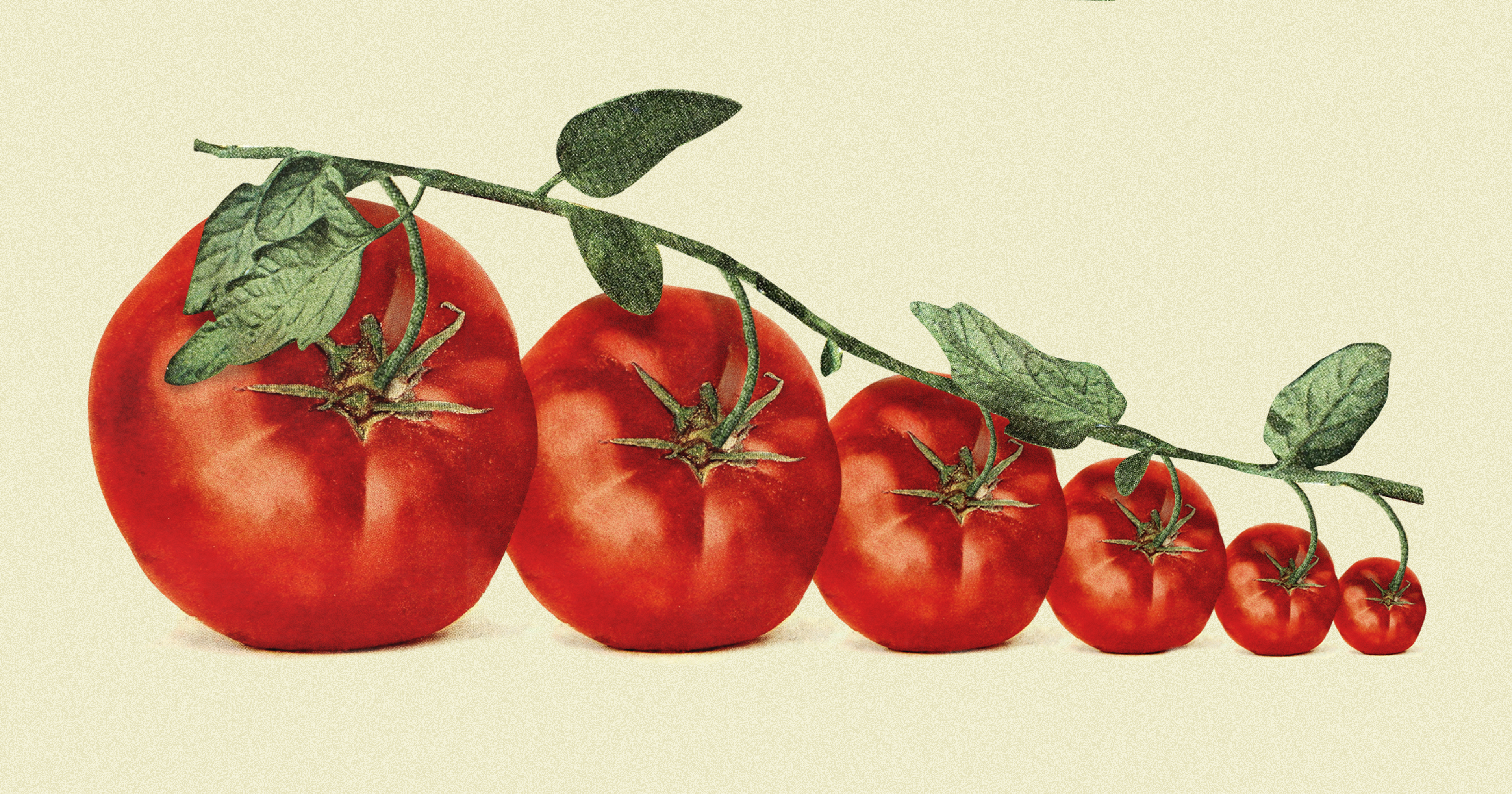


Most fruits and vegetables we eat today would be all but unrecognizable to our ancestors because modern agriculture has spent decades engineering for better taste, environmental resilience, and high yields — with little regard for preserving the full flavors of wild plants. Much of the resulting produce on grocery store shelves has grown mild or sweet in flavor, designed to appeal to a mass consumer palate. That sits in high contrast to the complex tastes of wild, ancestral crops. Those ancient cousins of today’s produce carried a range of bitter and astringent notes, driven by compounds that served as natural plant defense mechanisms.
But this is more than just a matter of taste preference. New research tells us those plant-protecting compounds may have wide-reaching benefits for humans. While we know many act as antioxidants and anti-inflammatories, further investigation suggests they may also support brain health by improving cognitive function and enhancing memory.
This raises an interesting question. By removing bitterness and astringency from our food, have we also removed the value it may have been designed to provide us? And if we were to bring those flavors back, would anyone want them? In North America, the answer to that question sits somewhere between agriculture, science, and culture.
Do Bitter and Astringent Flavors Make Us Smarter?
Bitter and astringent compounds represent a wide array of natural chemicals, including flavonoids, glucosinolates, and tannins. Yasuyuki Fuji at Shibaura Institute of Technology in Japan is conducting extensive research on these compounds; his interest in the field started with a very simple observation.
“I didn’t like eating bitter vegetables when I was a child, but as I got older, I grew to like them,“ he said. ”I wanted to understand why.“
That curiosity led Fujii to explore how the chemical composition of foods influences taste perception and neural response. In a recent study, he and his team focused on flavonols, compounds commonly associated with bitter taste in a variety of fruits and vegetables such as blueberries, kale, and onions. For the plants themselves, flavonols promote reproduction and provide protection against environmental stress. But they are also known antioxidants that act as anti-inflammatory agents in the human body and protect cells from damage.
For the study, two groups of mice were observed in a controlled environment, with one group receiving an orally administered dose of flavonols, and the second serving as the control. The animals that received the flavonol dosage demonstrated significantly increased exploratory activity as well as better performance in spatial memory tasks compared to the control group.
“Astringency taste receptors connect with the hippocampus and increase spatial memory and cognitive function,” Fujii explained.
“I didn’t like eating bitter vegetables when I was a child, but as I got older, I grew to like them. I wanted to understand why.“
He added that bitter and astringent compounds can act like mild neural stressors, triggering a response that is similar to that produced by exercise. When we exercise, stress on our muscles and brain can trigger growth, repair, and resilience; bitter and astringent compounds can produce a similar neural response. The compounds are able to potentially provide a small challenge to the brain, and with that, activate neural pathways that result in enhanced cognition.
While Fujii’s study might be one of the latest, he is not alone in making the connection between bitter and astringent taste perception and cognition. Another study shows that bitter compounds, like those found in cacao, can be neuroprotective and slow down the development of neurodegenerative diseases. That can be linked to other research showing the potential of using bitter compounds to treat Alzheimer’s Disease, as the compounds can reduce neuroinflammation as well as affect the gut-brain axis for improved brain function. Earlier studies point to flavonoids as key supporters of neuronal survival and growth.
There is a growing body of research being dedicated to understanding the role of bitter and astringent compounds on cognition. It may be the beginning of our understanding of how the taste traits modern agriculture has spent decades minimizing have downstream value for human health.
How the Shift Happened
The shift to mild and sweet foods happened quite gradually over the decades, as agriculture shifted and scaled. Growers didn’t remove astringency or bitterness for its own sake but rather for practical reasons.
“In general, modern plant breeding is focused primarily on agronomic factors like disease resistance, uniformity, and yield,” said Nathaniel Thompson, owner of Remembrance Farm in Trumansburg, New York. “Flavor is a factor in vegetable and fruit breeding, but it is usually in the context of ‘acceptability’ to a broad range of consumers. Since sweet and bland qualities are more likely to be accepted, bitterness and complexity are not favored and often get bred out.”
Bitterness in foods is often perceived as a flaw of the product rather than a feature, and that is rooted in biology, as humans are hardwired to associate these tastes with poisonous and harmful foods. In response to that natural disinclination, crops have been bred to reduce bitter and astringent compounds in favor of mild to sweet flavors.
Flavor has to be filtered through market demand, while at the same time, that demand is shaped by what consumers perceive to be “normal.” And this feedback loop has created a narrower range of fruit and vegetable flavors.
“Is a more palatable carrot that people will eat healthier than one that they won’t eat? That’s what we have to think about.”
For vegetable breeders like Michael Mazourek, the types of new vegetable varieties he develops require a balancing act between innovation and economics. Mazourek grew up on a farm in Newfield, New York, but said it wasn’t until he began his work in biochemical genetics that he began to truly understand the value plants hold for human health.
“We want people to eat better, to have access to really whole foods. There are things that make fruits and vegetables beneficial, but we also need to have attractive, enjoyable foods,” he said. And while Mazourek said he breeds with the aim of creating something that can help the most people, there are further considerations.
“Is a more palatable carrot that people will eat healthier than one that they won’t eat?“ Mazourek asked. ”That’s what we have to think about.”
This type of constraint is what often shapes what is or isn’t going to be in development, and it also explains why some progress has occurred in specialty crops where flavors like bitter may already be accepted. Good examples are coffee, IPAs, and dark chocolate, where bitterness has more mainstream acceptance, even preference. The challenge is getting that same acceptance into a broader array of mainstream, everyday foods.
The Malleable Human Palate
While some may have a natural disinclination for bitter and astringent tastes, those flavors are not universally rejected. In some communities, they are appreciated and incorporated into everyday meals. Italian cuisine includes a variety of bitter greens like endive, arugula, and radicchio. In Thai cuisine, bitter leaves, herbs, and vegetables like the bitter melon are commonly incorporated into dishes. In other cuisines, bitter and astringent flavors are brought to the forefront, like Japanese dishes that use wild vegetables and citrus peels.
Research in taste perception suggests that taste is not fixed, but may be learned through exposure, genetics, and cultural environment. A taste that might be perceived as “bad” can, over time, become desirable. In some cultures where bitter compounds are associated with medicinal health benefits, like in Chinese herbal medicine, the perception of bitter can have a positive association, and with that, not only be accepted, but celebrated.
Evaluated alongside Fujii’s work, this means that bitterness and astringency aversion is not necessarily hardwired, but may be adaptable based on environment, biological need, and cultural experience. If the human disinclination for bitter and astringent flavors isn’t a universal one, then the real challenge of introducing flavor complexity into our food systems might be a cultural one.
“Our evolutionary predisposition to wanting sweetness in the environment has been exploited by an industrial food system.”
Megan Carney, sociocultural anthropologist and director of food studies at the University of Arizona, said that while humans do have a propensity toward sweet flavors, the high sugars and processed food in the American diet today have a lot to do with how our palate has evolved. She linked that evolution to how sugar was used early on in America as an inexpensive, calorie-dense, option to feed workers and get them through the workday.
However, she added that tastes are very malleable and changing them just depends on who is interested in changing people’s relationship to taste. “Our evolutionary predisposition to wanting sweetness in the environment has been exploited by an industrial food system,” Carney said.
Over time, exposure to something doesn’t just influence what types of foods people like — it can shape what they expect food to taste like. We can argue that the modern diet has been designed for lower complexity in flavor to appeal to the human palate, and with that comes a feedback loop where customers expect mild to sweet fruits and vegetables. When that’s what is produced, it further entrenches those preferences.
A Bitter Revival?
If you are a farmer, switching to produce varieties that deviate from taste norms comes with risk. Working within lean margins doesn’t leave much room for experimentation if a market is not established. However, there are opportunities for those who dare to venture.
At Remembrance Farms, Thompson said that although he would not likely start planting new varieties where bitterness was the dominant experience, there is a caveat. “If it’s a component of a complex flavor profile, I’d certainly try it. Flavor is a primary consideration for me when I choose varieties, and I’m always interested in new and different things,” he said.
Reintroducing bitter might not be about bringing it back in its rawest form, but rather about reframing it. There are precedents for this type of flavor shifting in the market, like the IPAs and dark chocolate mentioned earlier. In those cases, consumer perception evolved through exposure, education, and cultural acceptance, where bitterness became associated with craftsmanship and even health.
So, if bitterness does return to our plates, will people want it? Part of that answer doesn’t just rely on curating culture and consumer perceptions, but also on biology, according to Fujii. As children, he said our brains and bodies are in almost perfect balance, so bitter compounds can feel overstimulating. Yet as we get older, the distaste we have for bitter compounds can change over time as the needs of the brain and body shift.
Could we see taste evolutions like this on a broader scale? For decades, we’ve rejected bitter and astringent flavors, but if those flavors carry very real cognitive and physical health benefits, perhaps bitterness and astringency hold potential to become the new sweet.