Spirulina, an extract of blue-green algae, has been a niche health supplement for decades. Now that it’s being used as a mainstream food dye, critics are pointing to contamination concerns.
Spirulina, an extract of blue-green algae, contains large amounts of protein, iron, and vitamins, which has given it a place on supplement shelves for those consumers hoping to boost immunity, reduce inflammation, and lower cholesterol.



More recently, though, it has risen to prominence as an electric blue coloring for viral lattes, candies, and wellness products, and is fast becoming the food industry’s go-to replacement for artificial Blue No. 1 as one of the only naturally occurring blue pigments.
This comes after the Trump administration’s 2025 announcement directing companies to phase out synthetic dyes, prompting major manufacturers like Mars to move toward spirulina for things like blue M&Ms. Nestle Rowntree already started using spirulina to color its blue Smarties back in 2008, after promising customers it would stop using all artificial colorings. NASA also helped popularize spirulina as a dietary supplement by using it on space missions.
To meet growing demand, biotech firms are massively scaling up production; this microscopic algae is currently a 660 million dollar industry, and is projected to grow to $1.6 billion by 2035. Unfortunately, the celebrated “natural” alternative, growing in large ponds to collect sunlight has a serious flaw: no consistent requirement that it be tested for the contaminants scientists say are common.
As spirulina shifts from niche supplement to a mass-market ingredient for everyday products, the stakes are changing — especially as spirulina is sourced through global supply chains with uneven regulation.
Contamination Concerns
“It’s a kind of an emerging product … and it’s something that hasn’t [had] an enormous amount of studies done,” said Jonathan Rhoades, a researcher with the at the International Hellenic University in Thessaloniki, Greece, who explained he was drawn to studying spirulina partially because of the conditions the algae is grown in. “Mostly, it’s produced in sort of open ponds … which are obviously quite prone to contamination from the environment, generally, from bird droppings, whatever.”
Spirulina is usually grown in large but shallow open raceway-style ponds designed to maximize sunlight, aeration, and nutrients; they’re often engineered with a paddlewheel to circulate the water and prevent stagnation. Beyond the dirt, insects, and dead animal parts that can potentially enter the open water, the algae can also absorb heavy metals like arsenic, lead, and mercury.
Bacterial contamination and the presence of cyanotoxins are a further concern, as spirulina is often cultivated in environments conducive to the growth of other microorganisms. Rhoades’ 2023 peer-reviewed academic journal study showed spirulina grown in outdoor ponds or harvested from natural water bodies is often cross-contaminated with cyanobacteria, creating potential for consumers to fall ill, especially as critics say there are inadequate regulations on supplements by the the Food and Drug Administration (FDA).
“We’ve found traces of microcystins in all of them to varying levels,” Rhoades said, referring to the spirulina products he studied in 2023 with his team. “It’s not an enormous surprise, because if you look at other studies that have been done on the spirulina products … in almost all the samples, they find some levels of microcystins.”
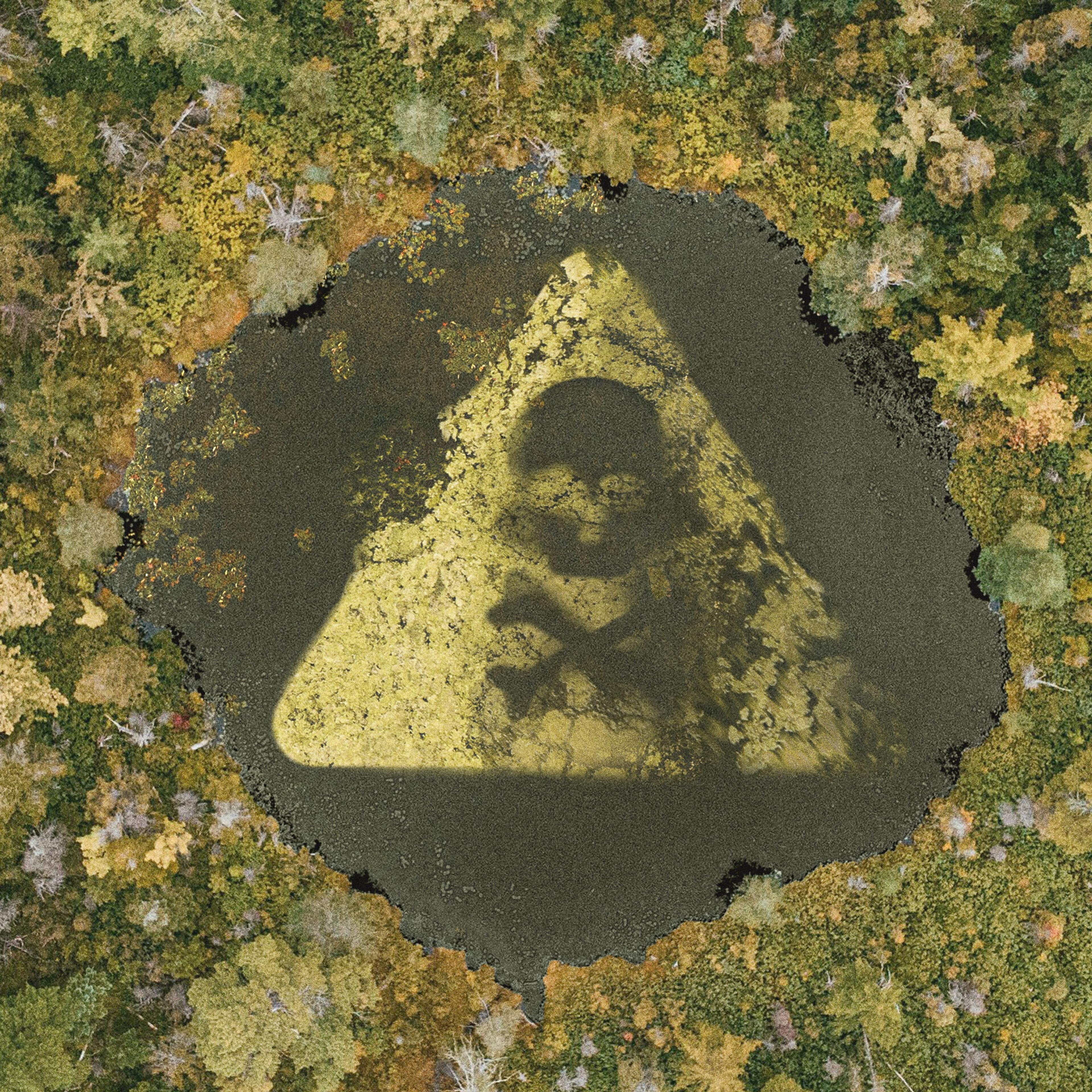
Microcystins are potent liver toxins produced by certain species of blue-green algae. They are released into water during algal blooms, often appearing as green, scum-like mats, when the algae cells die. These compounds can cause severe illness when eaten, inhaled, or absorbed through skin contact.
Beyond the dirt, insects, and dead animal parts that can potentially enter the open water, the algae can also absorb heavy metals like arsenic, lead, and mercury.
The presence of contaminants does not mean spirulina is inherently unsafe, though, Rhoades stressed.
The health risk depends on both the level of concentration and frequency of consumption. In most studies, microcystins are detected at low levels, often below thresholds associated with acute illness, but scientists note routine testing is inconsistent and cumulative exposure has not been well-studied yet. This will become especially important as more food companies begin to use spirulina as a commonplace coloring agent — a result of the MAHA push for natural dyes.
The concern, Rhoades said, is less about occasional consumption and more about widespread, long-term use of products derived from open-pond systems where contamination is difficult to control.
“It’s definitely something that needs to be kept a fairly close eye on for these supplements,” Rhoades said. “If you’ve got an open system, you don’t know what else other blue green-algae and stuff can potentially grow in there that you don’t know about.”
Though algae was harvested by the Aztecs in the 14th century, the way it’s cultivated now is vastly different. Most of the world’s supply of spirulina is grown in India, China, and the United States — specifically Hawai’i and California — in a factory process somewhere between farming and aquaculture, and some imports have developed a bad reputation. But, experts say, how well and cleanly a product is grown is directly reflected in the final results.
“If you have dirt in your ponds, the taste is never very good,” said Robert Reinhardt, founder and chief executive officer of AlgEn, which specializes in technology research and development for companies that grow algae for supplements, biofuel, and even wastewater treatment. “The only way to compete is with quality.”
The presence of contaminants does not mean spirulina is inherently unsafe, though.
In the United States, while spirulina is “generally recognized as safe” (GRAS), FDA says it assesses public health and safety risks of dietary supplements “on a case-by-case basis,” following guidelines for the amount of microcystins a person can be safely exposed to. The agency also writes on its website that since “microcystins aren’t something you can see, smell, or taste,” spirulina is an example of why it’s important for companies to have good manufacturing practices, such as testing for potential contaminants, to ensure products are safe.
Exposure to heavy metals is also something the FDA is cracking down on in 2026, but much is left up to spirulina producers to ensure their product is well-made. Often, the FDA only learns about concerns after supplements are already on shelves and are showing early signs of safety concerns — instead of testing them for safety before they enter the market.
Unlike supplements, dyes typically are subject to more regulation, requiring FDA pre-approval and safety testing. However, in February 2026, the FDA expanded the permitted uses of spirulina as a colorant to all foods generally, and the agency determined, based on a petition from industry, that spirulina “certification was not necessary for the protection of public health.” This means it does not have to be batch-tested before it’s used to color beverages, salad dressings, dips, and more.
“When we are talking about quality spirulina, we want to grow spirulina, at least in greenhouses, so not everything falls in our ponds. We want to keep those greenhouses very clean,” Reinhardt said.
A Cleaner Way to Grow
Some companies are using these cleaner, more transparent methods than others, showing that contamination risks can be managed. In Europe, there’s Iceland-based Vaxa Technologies that grows spirulina in pathogen-free, controlled indoor environments on a huge commercial scale regardless of the weather. In California, Oasia Farms is a small-scale producer that makes Microbial Assays and Heavy Metal Analyses available to customers to reassure them the spirulina they are getting is contaminant-free.
“Any business should operate this way, because transparency is important, especially these days, because whether you’re talking about consumers or voters or just people part of society, people are kind of skeptical, and it’s just incumbent on us to prove to them that we have their best interests at heart,” said Oasia’s founder Dale Solomon. “This business really needs to clear up some things.”
Solomon said he grows his spirulina in two greenhouses, not an open pond, and then immediately pumps the algae into an attached shipping container for processing. The nutrients they use, he added, are tested for heavy metals and water is triple-filtered.
“If spirulina is grown in a normal, best-agricultural-practices type way, there’s no reason why it can’t be perfectly safe and healthy,” Solomon said. “Unfortunately, some overseas growers are not meeting that standard, and the crop has a bad reputation. It’s a shame, because really, the growers should have the bad reputation, but people have made spirulina synonymous with things like heavy metals and contamination, and it just doesn’t have to be that way.”