
U Maine scientists have developed a method for early detection of harmful algal blooms. New England’s aquaculture industry is watching.
In 2016, a massive, unprecedented algal bloom of Pseudo-nitzschia australis in the Gulf of Maine caught the interest of Sydney Greenlee. This widely distributed algal class, made up of both toxic and non-toxic species, was largely responsible for causing an unprecedented bloom that resulted in shellfishery closures from Maritime Canada all the way down to Rhode Island.


Algal blooms such as these are quite destructive for the industry, with neurotoxins contaminating the shellfish and potentially sickening the people who consume them. As a molecular and microbial ecologist, the occurrence of the species in this region concerned Greenlee — and caught her by surprise.
This species was not known to be in the Gulf of Maine before this, said Greenlee, currently a University of Maine PhD student at Bigelow Laboratory for Ocean Sciences, focusing on harmful algal species in the region. She was also intrigued to find out that there didn’t exist a species-specific molecular test that would detect the species spreading these harmful toxins.
Now she and her team have developed an early detection tool that can ascertain this harmful species before a massive bloom happens and shut down harvests. The tool is a quantitative polymerase chain reaction, or PCR test. Greenlee suggests we think of it as a Covid-19 early detection test, but for algal blooms.
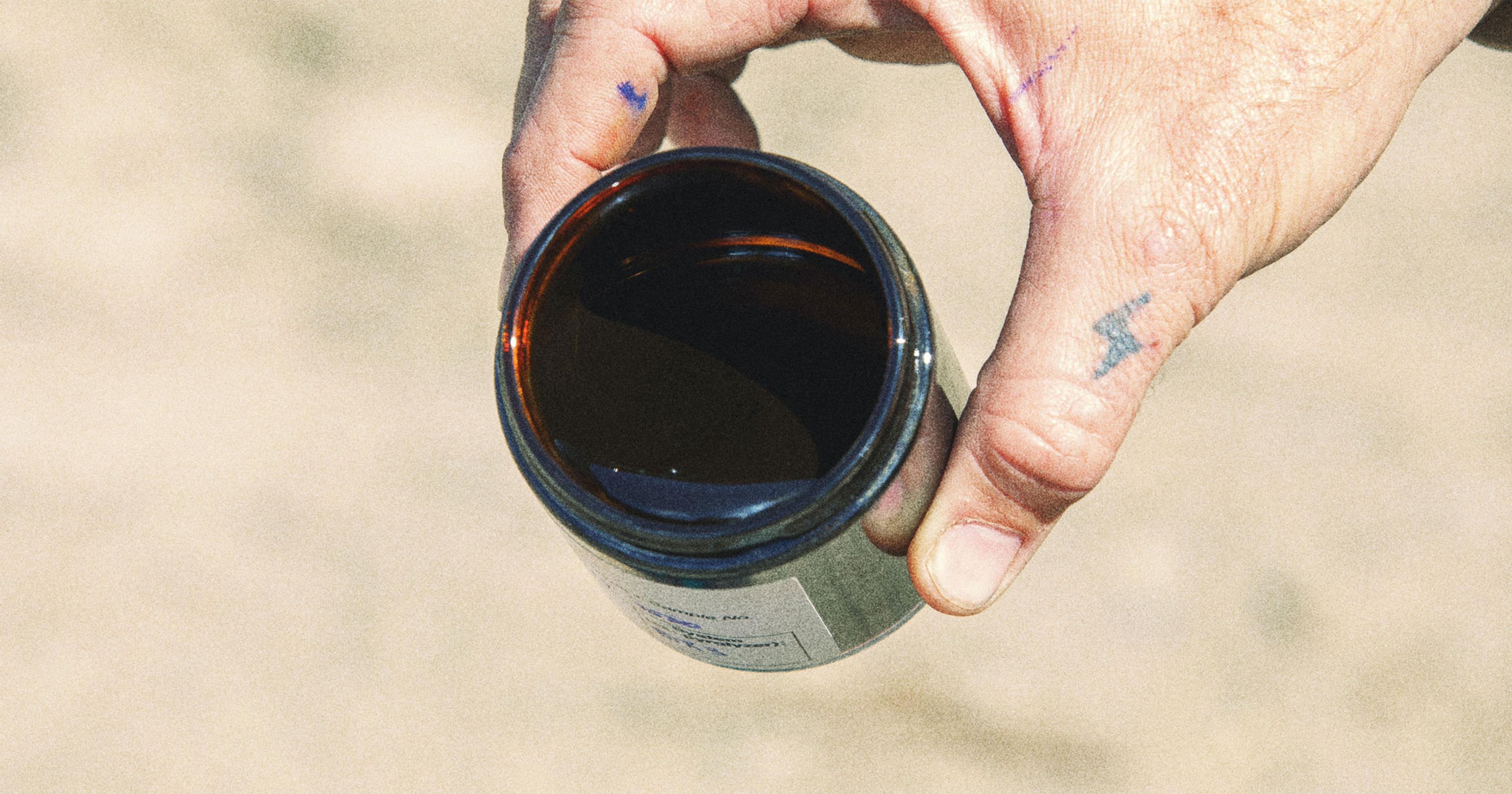
The way that PCR works is that the genetic material of a species or organism helps detect the DNA, which the scientists then scan for toxins. To determine this, the team used the tool like molecular tweezers, where they scooped up a seawater sample and used the tool to pick out the organisms they’re looking for.
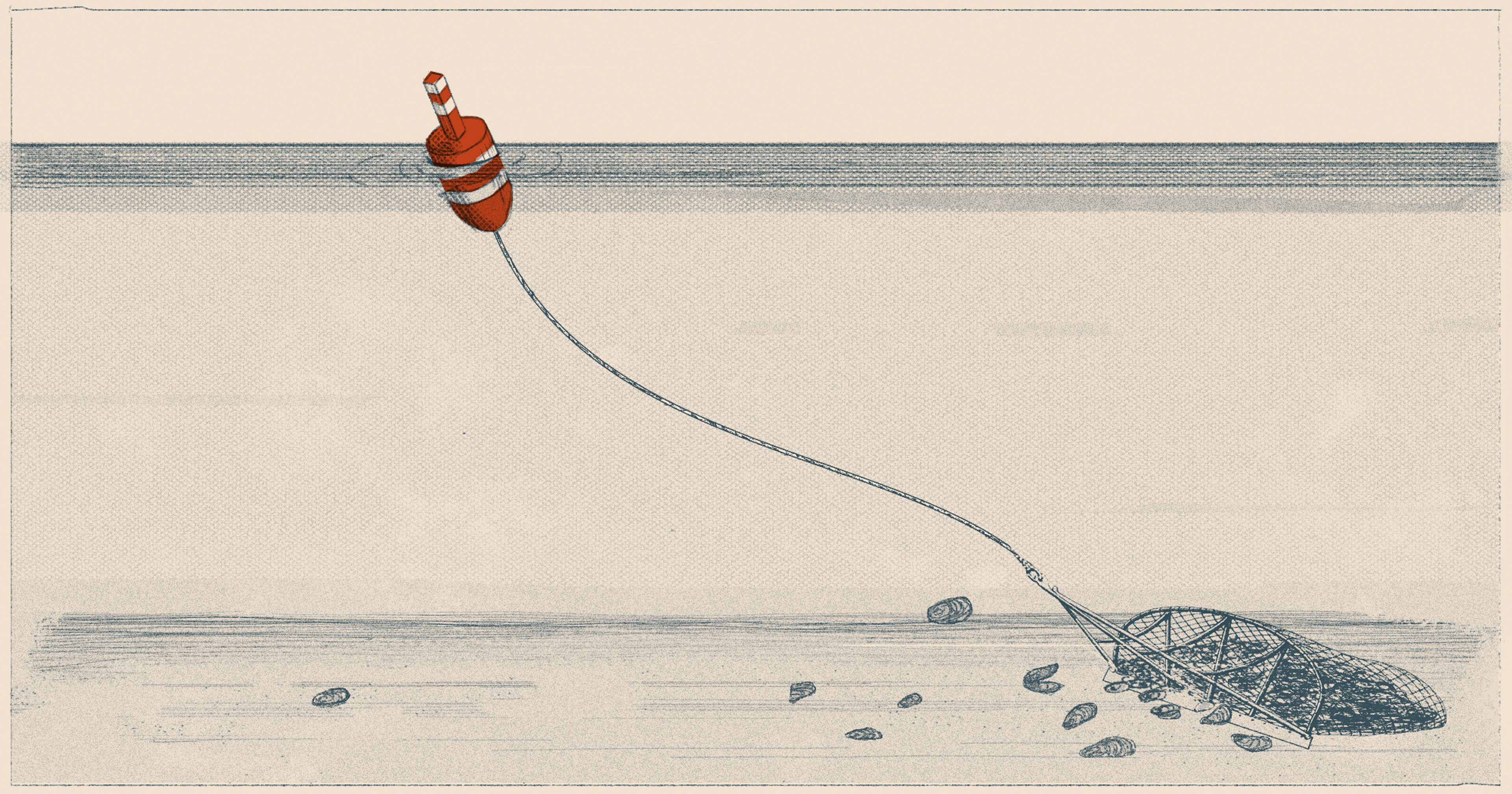
This is promising for the state’s thriving aquaculture industry. Modern shellfish farming has its roots in 1980s Maine, where the region’s cold waters yielded high-quality oysters, according to Meredith White, director of hatchery operations with Atlantic Aqua Farms. Their operation started in the Damariscotta River — a highly saline estuary with relatively warm waters — a conducive environment for rapid oyster growth. Maine plays host to over 150 farms rearing oysters and mussels to clams and scallops, raking in over $85 to $110 million in sales every year.
When contaminated, the toxins in the shellfish are not broken down by cooking.
As an oyster farmer for 26 years, Adam Campbell’s small farm in North Haven, Maine, attracts people from all over the country for a “damn fine oyster,” as he puts it. North Haven Oyster Company, which Campbell and his wife set up, farms oysters in a small inlet that leads off the Penobscot Bay. The operation sees a production anywhere between 150,000 and 250,000 oysters a year — unless algal blooms or unprecedented rainfall impact their harvest.
Algal blooms occur when nutrients are abundant in the water. When contaminated, the toxins in the shellfish are not broken down by cooking, White said. Harmful algal blooms (HABs) produce domoic acid, a neurotoxin that killed marine mammals off the coast of Southern California in the fall of 2024. In humans, this can translate to amnesiac shellfish poisoning, a potentially life-threatening condition causing gastrointestinal and neurological disorders.
White and Campbell remain confident that the shellfish coming out of Maine are safe for consumption, mainly due to the state agency’s robust monitoring efforts. The Department of Marine Resources’ (DMR) exhaustive shellfish sanitation and management program monitors biotoxins in the fish and water quality periodically to ensure that the fish is safe to eat. But the new tool further streamlines such monitoring.
Their phytoplankton monitoring — where a team of trained volunteers and DMR staff collect water samples at specified stations in coastal shellfish areas throughout the entire coastline — serves as an early warning system for the agency’s biotoxin program. To ascertain the abundance of harmful algal species, they start sampling the water for toxins from early March through October, or until harmful algal species are no longer abundant. When a certain threshold of phytoplankton cells is detected in the sample shellfish that the weekly monitoring counts, Greenlee said, this triggers toxin testing, followed by a precautionary closure.
Currently, the agency uses light microscopy, which uses visible light to monitor samples of seawater for Pseudo-nitzschia. The toxic and non-toxic species of this algae look virtually indistinguishable, said Jeff Nichols, communications director at DMR. “The [PCR] tool has the potential to improve the state’s ability to more quickly and accurately identify toxic species which could allow for more targeted and timely shellfish harvest area closures,” he added.
The ability to know if the toxic species is absent or present keeps the fisheries open and saves resources for toxin testing.
While essential, these shutdowns unsurprisingly affect the industry and farms like Campbell’s. “Shellfish are often sold fresh as opposed to a frozen product, so if [they] miss out on sales for however long the shutdown is, you cannot necessarily make up those sales,” White said.
This tool will allow DMR to more quickly confirm toxicity, minimize the size and duration of precautionary closures, and implement targeted closures to protect public health, Nichols said.
Echoing this, Greenlee explains how the DMR’s routine cell counts of phytoplankton, when it reaches a certain threshold, triggers toxin testing. The problem is that cell counts don’t mean toxic species are present. So, she points out, the ability to know if the toxic species is absent or present keeps the fisheries open and saves resources for toxin testing.
While Pseudo-nitzschia australis isn’t the only toxic algal species, Greenlee said it’s the most toxic one in the region. “The Pseudo-nitzschia has been really quiet for the last 10 years, but it is lurking,” she warned.