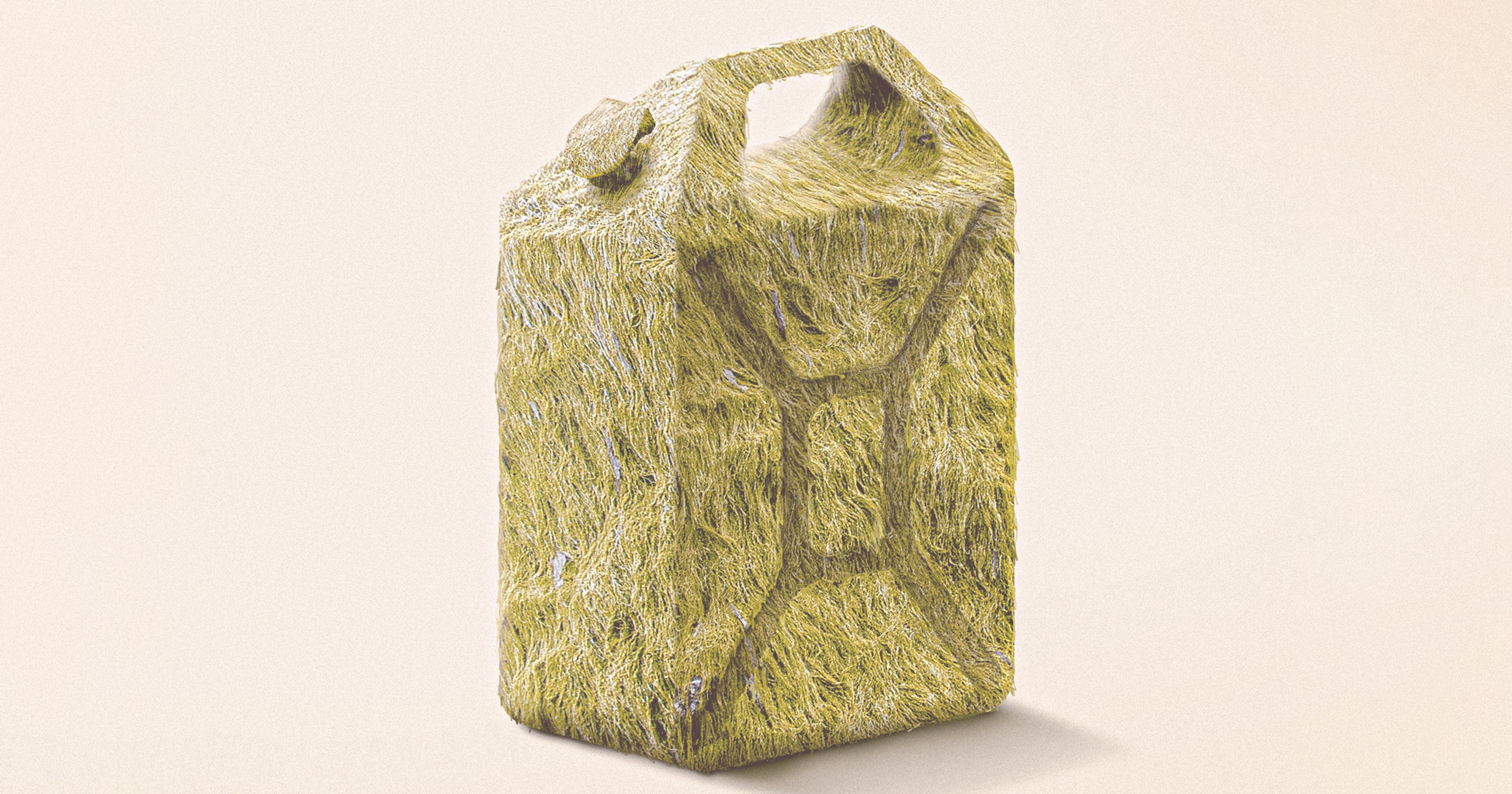

As municipal composting expands around the country, practitioners worry it’s not being done in a way that will benefit farmers.
On the roof of a former industrial shipyard in Brooklyn, New York, Ben Flanner points to a large pile of brown and green matter with pride. “This one is curing,” he says, using a term that’s familiar to anyone who has aged sausage or cheese. Here at the Brooklyn Grange rooftop farm, it means the final stage of turning organic matter, such as food scraps and wood chips, into compost — the “black gold” that’s spread on soil as a nutrient-rich fertilizer.

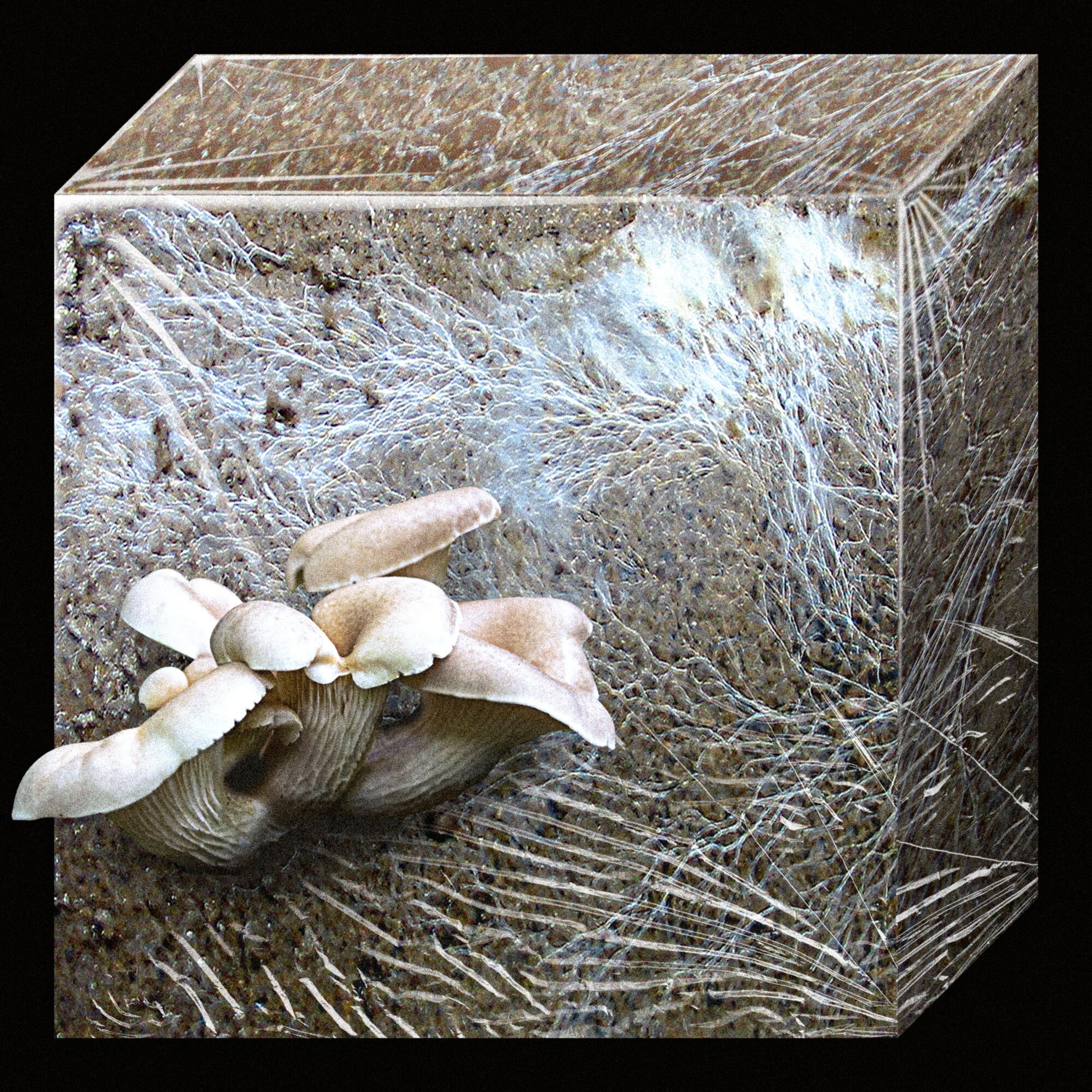

Compost provides nearly all of the nutrients Flanners need to nurture crops like broccoli, lettuce, tomatoes, and basil. And it provides an outlet for nearby businesses — the office workers in the building, the coffee shop across the street — to get rid of their organic waste in a way that they know will return its essential components to the soil, rather than being burned or tossed in the landfill.
Rather than a vision from a utopian future, this type of circular waste stream is now a reality in much of New York City — as well as around the country. In the last few decades, composting has slowly transitioned from an activity undertaken mainly by home gardeners and organic farmers to a common habit, like recycling or driving an electric car, adopted by any eco-conscious city-dweller.
Since San Francisco became the first city in the U.S. to offer municipal composting in 1996, the trend has seen exponential growth, especially since the pandemic; the number of municipal composting programs around the country grew by 49 percent from 2021 to 2023. These changes come amid growing awareness of the need to tackle food waste, which makes up 24 percent of the matter thrown into landfills, where it releases methane, a greenhouse gas many times more potent than carbon dioxide. Globally, methane accounts for up to 10% of all greenhouse gas emissions.
But although more people than ever are composting, all of that waste isn’t necessarily reaching farmers. Even as California and New York City have begun implementing mandatory composting laws in recent years, questions have been raised about the quality of the compost produced and whether it’s going back to the soil or to other uses, such as energy.
Additionally, now that more people are recognizing that composting is important, composting experts and researchers say, the focus of many large-scale composting programs should turn to ensuring not just that people compost, but that they do it right. In a worst-case scenario, they fear composting becoming a form of greenwashing, the way recycling has — a feel-good activity that masks larger underlying issues with our food and waste systems which are not being addressed.
Though New York now has separate bins to throw out leftover food and yard waste, most of it doesn’t actually go to making compost.
“It is pretty impressive how far composting has gone in the city since the early days,” Flanner, who founded Brooklyn Grange in 2010, told Offrange. But he fears that large-scale composting systems like New York City’s risk being “smoke and mirrors,” if people can’t trust what the waste is used for and where it goes.
One problem is that most people don’t realize collecting food waste and creating compost are actually two different things. Though a city like New York now has separate bins for individuals and businesses to throw out their leftover food and yard waste, most of it doesn’t actually go to making compost — a process that requires processing the waste at specific temperatures in order to activate microbes that will break down the organic matter into soil. The resulting nutrient-rich mixture can then be applied to fields and urban gardens to nurture crops, keeping carbon locked in the soil instead of being released into the atmosphere and avoiding extra emissions from nitrogen-based fertilizers.
Instead, the majority of organic matter collected by New York City’s Department of Sanitation through its official curbside “composting” program is actually turned into “bio-gas”, which is then burned to produce energy. While this process takes food waste out of landfills and avoids methane emissions, burning bio-gas still releases greenhouse gases.
This is largely a pitfall of large-scale, municipal systems that are attempting to take in so much food waste that they don’t have a market for the compost that would be produced, or don’t have the facilities necessary to produce it, said Gina Talt, a sustainability researcher at Princeton University. Talt oversees several projects at the Sustainable Composting Research at Princeton (S.C.R.A.P.) Lab, which aims to understand how compost can be managed more effectively and sustainably.
Although people might expect or want their food scraps to go to farms, “we don’t need a silver bullet when it comes to sustainability.”
“Large-scale solutions might not always be the best,” Talt told Offrange. The focus, she said, should instead be on, “What can we do locally to support communities and make sure that the environmental and economic benefits [of composting] stay in a community?”
One model for what this could look like is BK Rot, a nonprofit based in Brooklyn that collects food scraps with a fleet of bicycle couriers, which is then turned into compost at a local community garden and re-distributed to urban farms and gardens across the city. BK Rot focuses on helping people “feel motivated to compost,” said the group’s director Nora Tjossem, avoiding what they call a “toss it and forget it” mindset.
That’s because the rise of municipal composting hasn’t necessarily come with the proper education, Tjossem said. People who may not understand what composting is or why they’re doing it will throw non-compostable products such as plastic bags into the compost bin, creating headaches for composters who have to sort out this material, Tjossem told me. That can lead to contamination, whether with trash, heavy metals, or toxic “forever chemicals” such as PFAS.
“The benefit of having smaller-scale operations is that you’re encouraging people to think about what they’re putting into the system,” Tjossem said. “The more you know about what to put into the bin, the higher quality compost we’ll see.”
“I love composting and I love soil amendments, but the best thing is to not have that food waste in the first place.”
The intentionality behind composting should also be applied to address the rising popularity of single-use “compostable” products, Talt said. While these products, which are made of organic materials such as cornstarch or sugarcane fibers, are technically able to break down into soil, “composting is a biological process,” she said. “You can’t just let it sit and forget about it.”
When it comes to compostable tableware, Talt’s research at the S.C.R.A.P. lab has found that it needs to be balanced with a particular ratio of food scraps and other additives such as wood chips, and that the time and temperature for composting needs to be adjusted to make sure that everything breaks down successfully. Figuring out these details will help inform midsize composters, such as at the level of a university, about whether or not to accept these compostable products, determining whether they’ll end up as a soil amendment or in the landfill.
Every bit counts, Talt said, because it’s important to keep the bigger picture in mind — that most organic waste is still not being diverted. New York City only recovered less than 5 percent of eligible households’ organic waste in 2024. Although people might expect or want their food scraps to go to farms, “we don’t need a silver bullet when it comes to sustainability,” Talt said. It’s not always practical to give compost to local micro-haulers, who might not have the capacity to deal with it all, and she sees a role for all kinds of solutions, including bio-gas digesters.
Ultimately, she emphasized, the focus should be on how to avoid producing so much food waste to begin with. “I love composting and I love soil amendments,” Talt said, “but the best thing is to not have that food waste in the first place.”