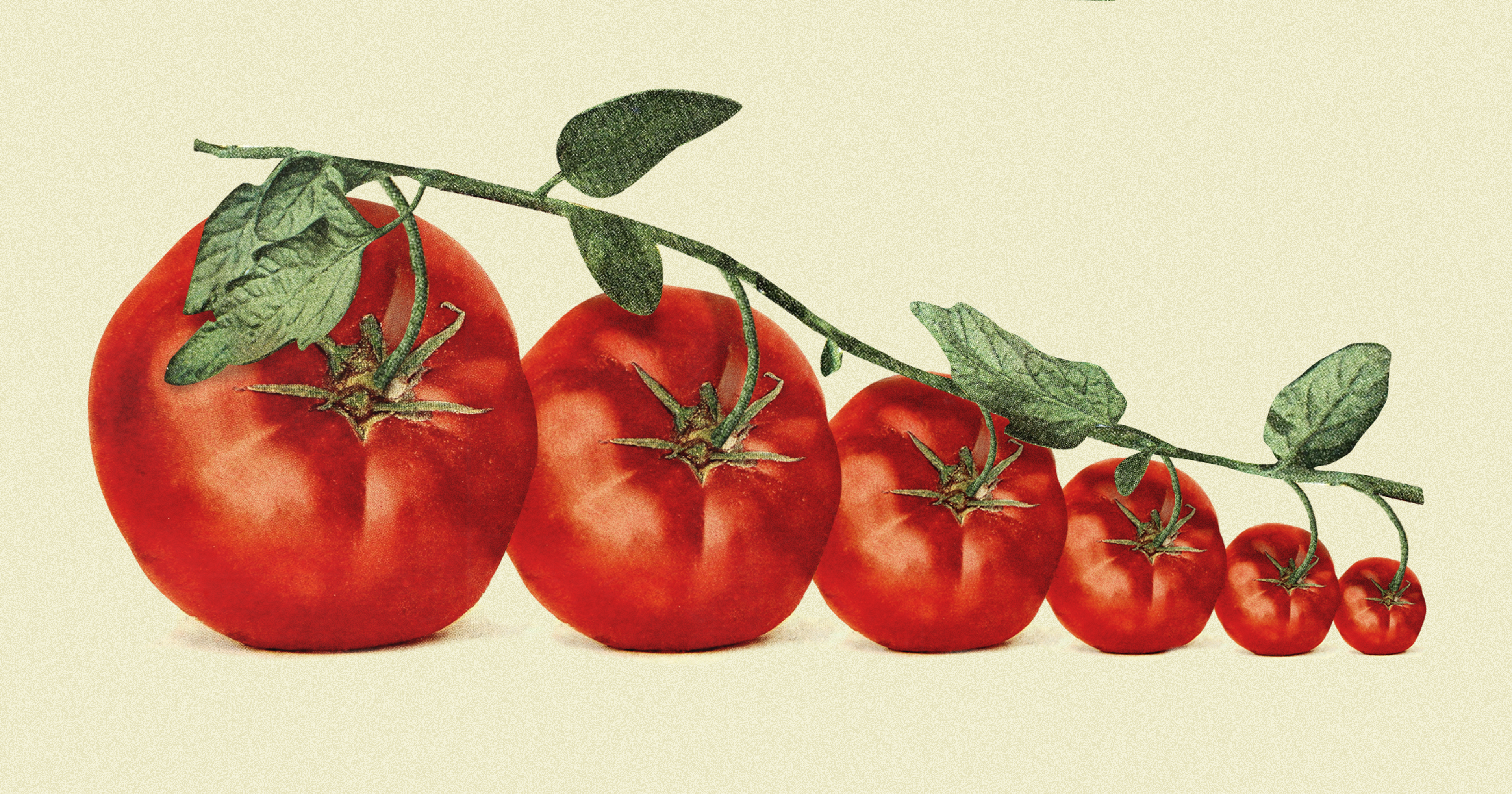
Climate change promises to usher in droughts, floods, and everything in between. Researchers have begun preparing for this tempestuous future by tormenting tomatoes.
When she was around seven years old, as the daughter of teachers and farmers growing up on the Kenyan coast, Esther Ngumbi asked her father for a piece of land to farm herself. On her small, private plot along the river, Ngumbi grew cabbages, a water-hungry plant which she found particularly beautiful as their leaves unfurled. But then the rains came, and didn’t stop for three days.
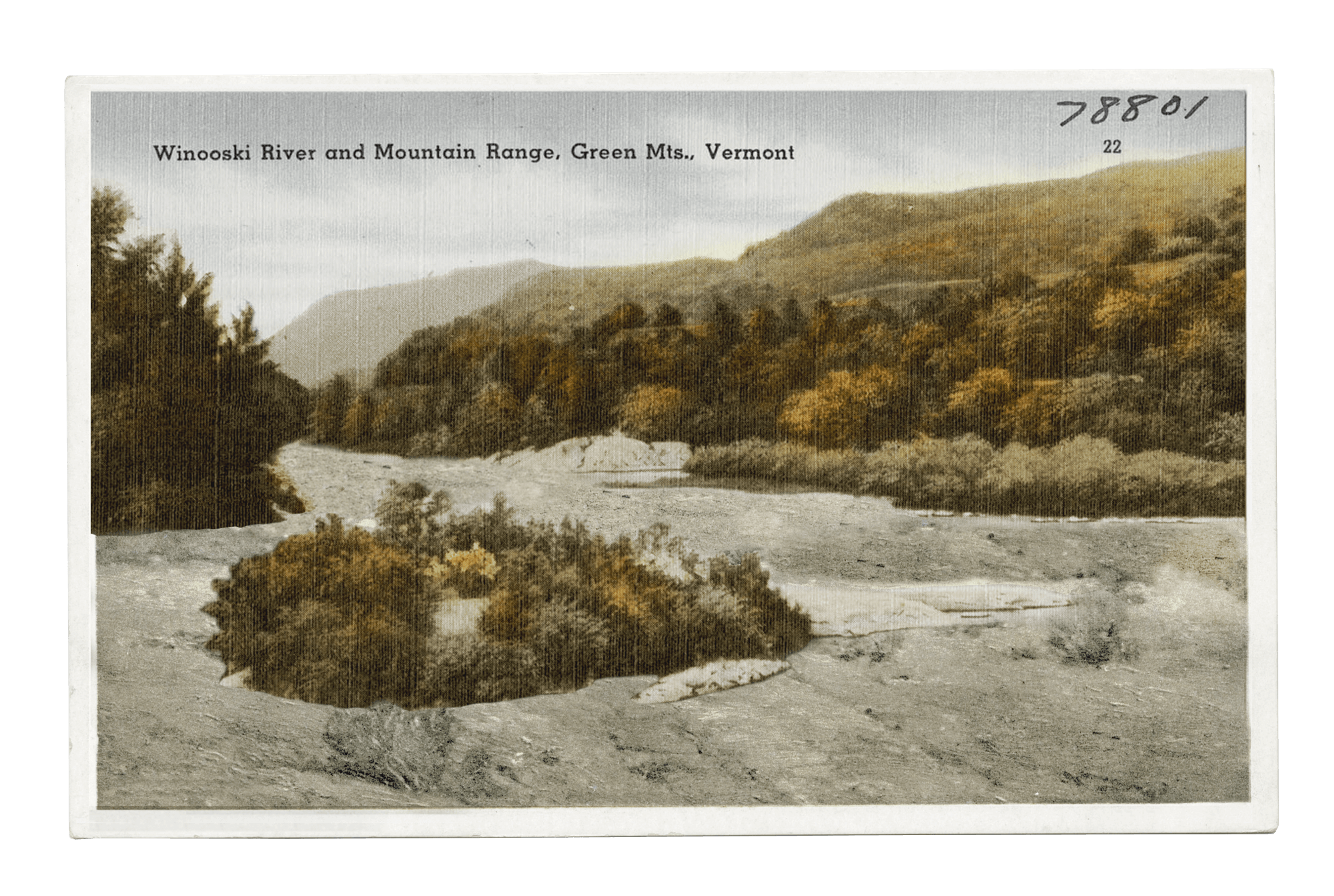
By the time the water receded, her patch had gone.
Decades later — in her second year as a professor at the University of Illinois Urbana-Champaign — she flashed back to that childhood storm. During the Great Flood of 2019, called an “interconnected catastrophe” by The New York Times, crop losses reached billions as farmland sank beneath the crests. And Ngumbi, who’d arrived at U. of I. to conduct drought research, realized that flooding may be agriculture’s 800-pound gorilla in the room.
From that moment forward, Ngumbi’s lab has interrogated this looming pluvial threat by aggressively waterlogging captive plants — particularly tomatoes. Grown in soil sourced from local farms like Sola Gratia, this waterlogging (also known as inundation), when water rises above the soil surface and covers part of the plant, falls short of full submergence, which may cover the entire plant. But even this botanical trauma still carries profound impacts.
As an entomologist, Ngumbi also subjects her tomatoes to another plague: hungry, herbivorous insects. Rather than study stressors one at a time, Ngumbi and student researchers like Michael Somerville work to approximate real-world conditions by exposing the struggling plants to crop pests like tobacco hornworms and beet armyworms, and then capturing the volatile organic compounds (VOCs) the plants release in response to these aggressive nibbles. These VOCs then allow them to chart the chemical pathways of the plants’ immune response.
“For a lot of these hybrid varieties — bred for very vigorous growth, for that very candy-apple deep red which looks perfect and shiny and has a nice shelf life — we’re just starting to unveil that this potentially comes at a cost to their defensive response,” explained Somerville, one of Ngumbi’s just-graduated master’s students and the lead author for a recent paper in the Journal of Chemical Ecology. The paper found that waterlogged tomato plants showed significantly altered VOC profiles when subsequently attacked by insects — suggesting their chemical defenses had been compromised by flooding stress.
In his eight years at Sola Gratia, a local non-profit farm on Urbana’s outskirts, farm manager John Williams has experienced the full cornucopia of adverse weather events: derechos, droughts, early frost, late frost, and downpours alike. Sola Gratia has actually moved their cherry production out of the field entirely, and into high tunnels, because of susceptibility to heavy rain events.
“[A tomato that] looks perfect and shiny and has a nice shelf life — we’re just starting to unveil that this potentially comes at a cost to their defensive response.”
But “the diversity of our cropping is really our insurance,” Williams said, in reference to their ample portfolio of over 40 different vegetables (a rarity in a state dominated by corn and soybean fields that take up over 60 percent of Illinois’ total land area). An additional form of insurance, however, is the quickness with which the farm mobilizes to move water out of fields that prove slow to drain.
“The sooner we can get moisture out of there, the better chance we have that disease isn’t going to take over,” Williams said.
While an abundance of disease- and drought-resistant tomato cultivars already exist, plant breeding may face years of catch-up to instill pathways for flood resistance. “Global change is everything at once,” Ngumbi said. “We could move from drought to flood, flood to extreme heat. And these are just in a regular, three-month growing cycle.” Ngumbi cited a foundational paper that studied the impact of almost a dozen stressors simultaneously — “and when all of those combine, all the foundational rules of ecology get thrown out,” she explains. “It is time that we begin to understand [what happens] when stressors combine, because that’s the world we are going into.”
Such evolving weather patterns — which promise to bring about flooding events not just more frequently, but more intensely — pose an even greater risk for vegetable crops like tomatoes: Flooding stress could so impact the plant’s immune responses that they’re at increased risk for pathogens, rendering them unsellable by the FDA. And that’s not to mention the impact on the microbial communities within soil; lack of insurance structures or subsidies for flooded farmers; and even the profound mental health challenges these farmers endure when faced with inundated harvests.
“This also points to a dire need for more global collaboration,” Somerville said. Just because flooding in the Mississippi River Basin is not an entirely novel phenomenon doesn’t mean that the U.S. can’t stand to learn from other regions, from Bangladesh to the Caribbean, that have historical experience with torrential downpours. Diverse cultural and historical knowledge may also provide alternatives, Somerville suspects, to “engineering our way out” of challenges, which “could even be as simple as looking at people who have been living in a place for 1000 years.”
From their greenhouses in central Illinois, Ngumbi and her team have joined efforts to develop a form of “rapid response network” for affected farmers. In cases of extreme inundation events, researchers could serve almost as EMTs for farms, partnering with farmers and taking critical samples from these “living labs.” They could then chart changes in soil health, emitted gases, overall plant health — and then, months later, any impacts on final yields.
“Global change is everything at once. We could move from drought to flood, flood to extreme heat. And these are just in a regular, three-month growing cycle.”
These observations could lay the groundwork to develop an agricultural system that can better endure the gauntlet of stressors manifested by climate change. On one hand, understanding a tomato’s metabolic pathways as it wallows two inches under water might point plant breeders towards more flood-resistant varieties. On the other, understanding how flooding can alter a plant’s ecology years after an event — on everything from soil quality to root chemistry to nutritional quality — can inform farmers about what steps could nurture an inundated field back to health.
For all its potential benefits, drowning tomatoes for science can be mournful work — like when Somerville witnesses air bubbling up to the surface every time he places a new batch into their new, semi-aquatic confines. As he transplants the latest crop of Cherokee Purples and Big Girls, Somerville will often play music for them, so that these doomed, sacrificial love apples might enjoy the best quality of life possible before giving up the ghost for a greater good.
“There’s an emotion that comes with that,” Ngumbi admitted. “You come from such a thriving plant, and in two days it’s gone. That image does not go away. And that actually really inspires me to make sure that that future is not there.”
Somerville, similarly, stressed the critical contributions of entomology in agriculture’s future. “These insects are gangster,” he said, citing their ability to wage a form of chemical warfare against plants by essentially rewiring their hormonal system. And in a future largely defined by climate change, insects stand to play an outsized role in fields like plant and soil science.
“If we’re going to meet sustainable food requirements by 2100 that the [Intergovernmental Panel on Climate Change] is talking about, it’s really all hands on deck,” Somerville added. “Because everybody has to eat.”