Mushrooms are incredibly versatile. Turns out, so is their waste.
For all the gourmet, even glamorous appeal of an oyster or lion’s mane mushroom, these show-stoppers have humble origins.
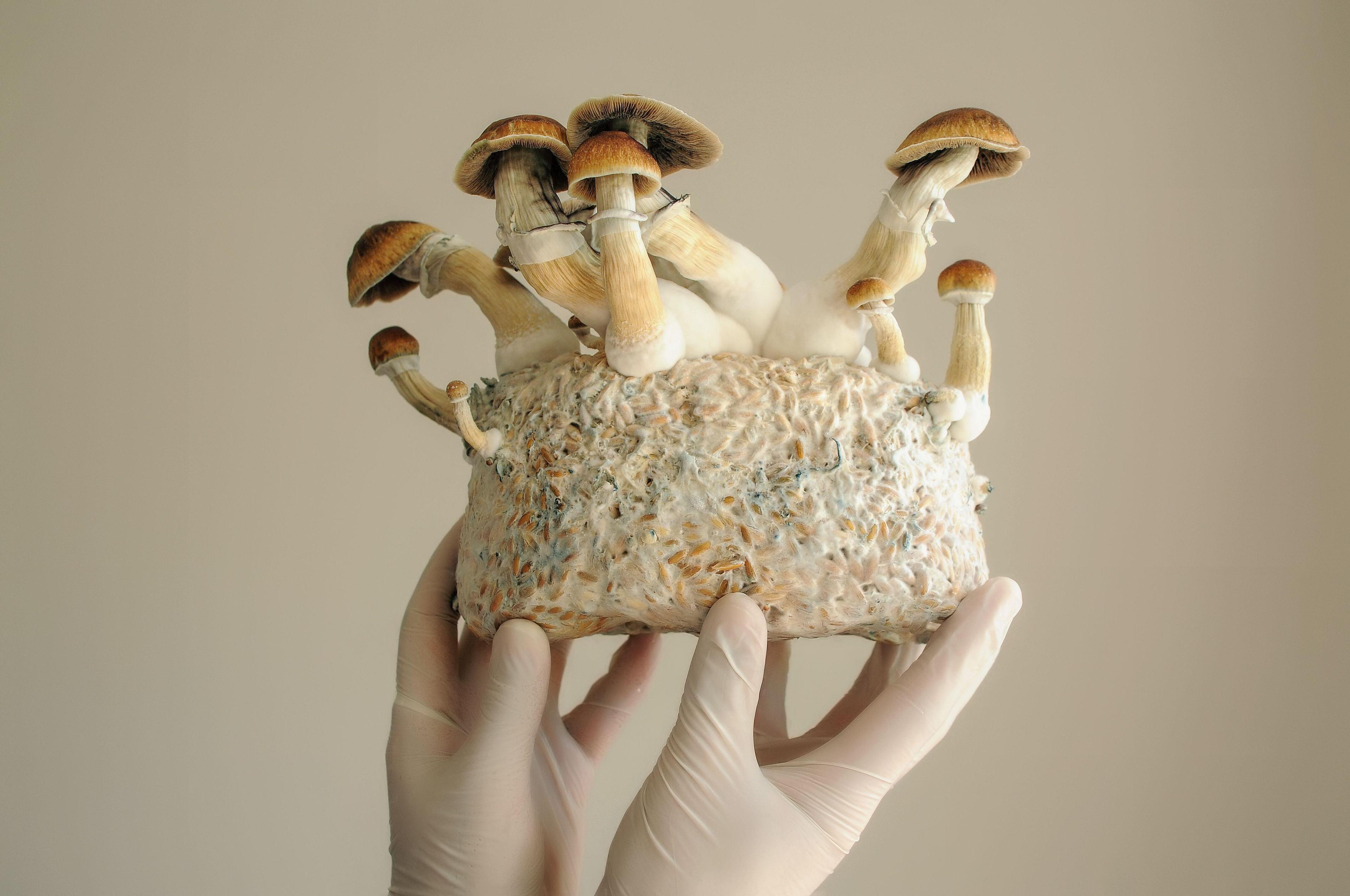
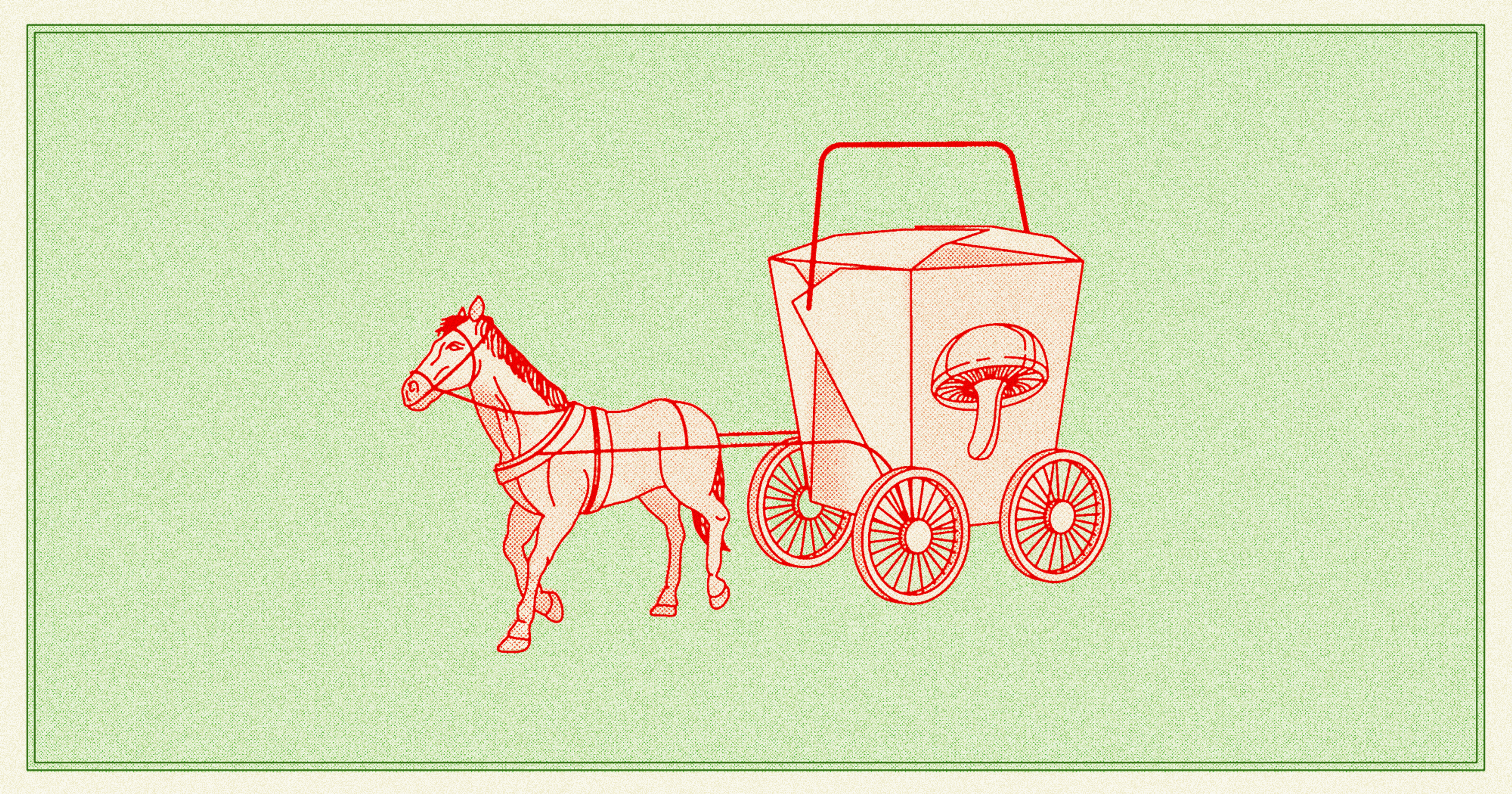
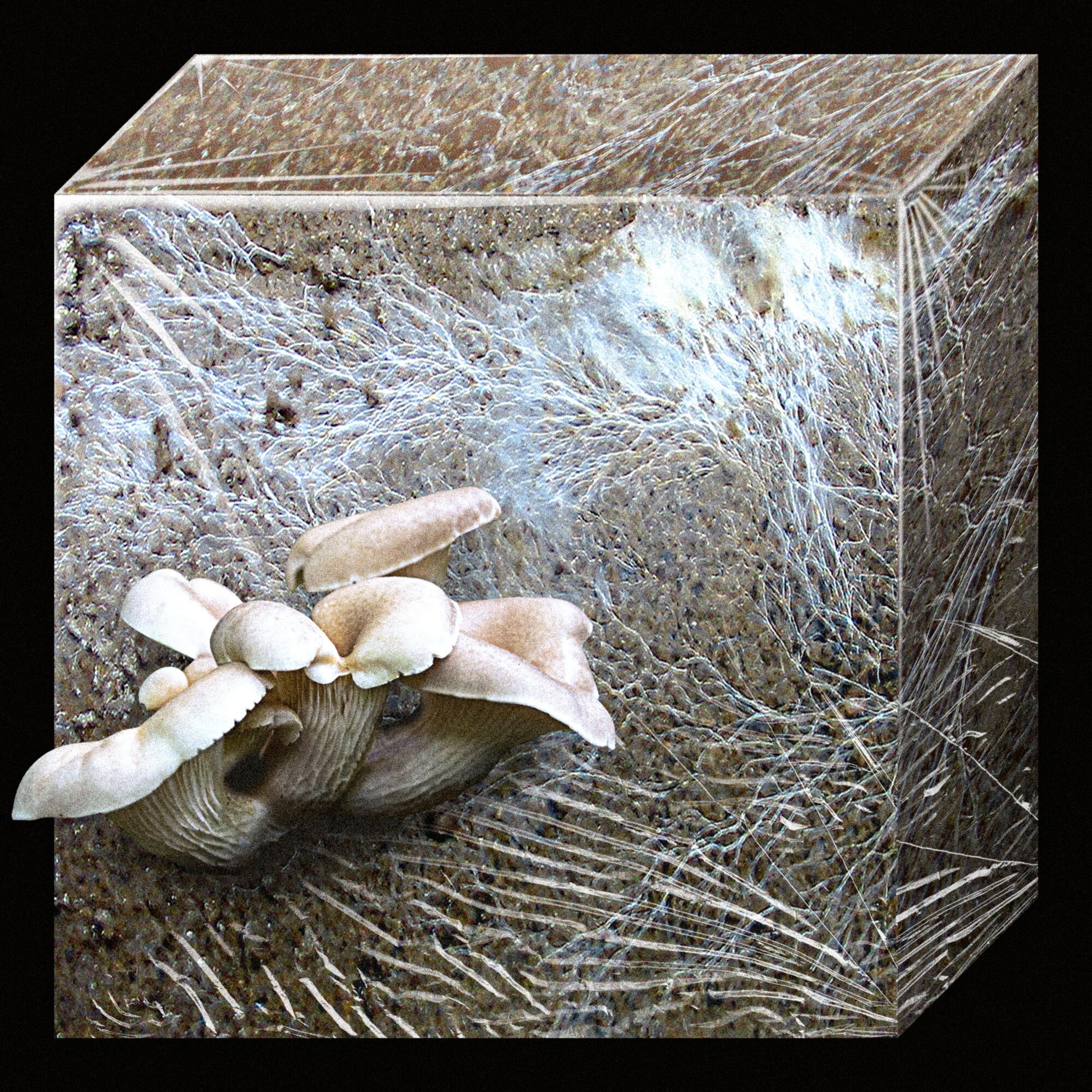
On farms, these mushrooms grow from lumpy white blocks encased in plastic. These blocks (also known as mushroom substrate) are made up of sawdust, grain, and other organic material inoculated with edible fungi. When the mycelium is ready, mushrooms sprout through slits in the bags.
From there, the edible products make their way to your plate. But for the block, that’s often the end of the line. Blocks of mushroom substrate can produce several ‘flushes’ of mushrooms before they’re fully spent, but are often discarded after only one, as the first crop consumes most of the available nutrients.
Last year, Tommy Butler, farm manager at JFS Altius Farms, an urban farm in Denver Colorado, decided to see if the spent substrate they were producing could serve an alternate purpose. The farm grows oyster, lion’s mane, and chestnut mushrooms on blocks of hardwood sawdust, soybean hulls, and coffee grounds from the cafe next door, producing three quarters of a ton of substrate a week.
Now Butler has started putting that substrate to work in the farm’s market garden, swapping out the compost they were purchasing. So far, he said results have been promising. “We’re seeing massively more yields off our perennial herbs. We sell edible viola flowers, those have just been blowing up. And the spring crops of our chard, our beets, our kale, different brassicas, they look great.”
Worldwide, mushrooms are having a moment. Fueled by biotechnology, medicine, and people’s palates, the global cultivated mushroom market reached $4.55 billion in 2025 — and is expected to double over the next decade.
But as the mushroom industry grows, its waste is sprouting too. For every ton of mushrooms grown, more than five tons of spent substrate is produced. That output is around 60 million tons of material annually, and growing.
“I took the opportunity to say, ‘Hey guys I think we’re missing a trick here, there’s something in the substrate.’”
For mushroom farmers, this waste is a liability. And because poorly managed spent substrate can spread fungal diseases and produce greenhouse gases, it’s also a problem for everyone else.
But increasingly, farmers and scientists see those lumpy blocks as something else: an opportunity. Research suggests spent substrate may have a variety of uses — and for farmers like Butler, the hope is to establish that the substrate is useful enough to offer another source of revenue to the farm. ”Small farms have a hard time making ends meet these days. So having a more diversified revenue stream is huge.”
Mushrooms are already exceptionally versatile. Could their waste be too?
Beyond Soil
At the moment, spent mushroom substrate’s most obvious application is in the soil, where research suggests it improves soil structure and water retention, boosts microbial activity, and increases soil fertility (depending on the material, the specific benefits vary). But that’s not all spent substrate could be useful for.
At Texas Tech University, Julia Shamshina, professor in the Fiber & Biopolymer Research Institute, has been investigating high-value applications for spent substrate, including a process to produce cellulose nanocrystals from spent substrate. Cellulose nanocrystals are whisker-like nanomaterials that can be used in a range of applications, from making food packaging to reinforcing other materials (in place of fiber glass or carbon fiber, for example, which are notoriously hard to recycle). “If you add cellulose nanocrystals, you change the strength of the material and you don’t need a lot,” she said.
In Wales, a mushroom farmer is pushing the envelope too. For 25 years, Cynan Jones has grown oysters, lion’s mane, and shitake mushrooms on blocks of hardwood chips on Madrach Cymru, a farm in the north of Wales.
Until recently, he gave the spent substrate to local farmers or gardeners for soil enhancement, or used it in his own farms’ beds. But Jones suspected they could do more, because the spent blocks still contained mushroom mycelium — and therefore, potentially some of the same sugars, proteins, and polysaccharides as mushrooms themselves.
“We should just be throwing everything at all these waste problems: lots of people, lots of solutions, lots of ideas.”
Then Jones was invited to join a group run by a nutritional chemist run at the University of Wales that was looking at innovative food products based on mushrooms. “So I took the opportunity to say, ‘Hey guys I think we’re missing a trick here, there’s something in the substrate.’”
First, they looked at using substrate to make low-carbon, low-solvent pigments, and established that blocks of spent substrate could be used to create a natural red-orange pigment that could replace synthetic dyes in cosmetics and food.
Then they found that by fermenting spent substrate, they could produce bio-ethanol — an exciting finding, said Jones, since his farm is not only interested in repurposing agricultural waste, but also in reducing their carbon footprint.
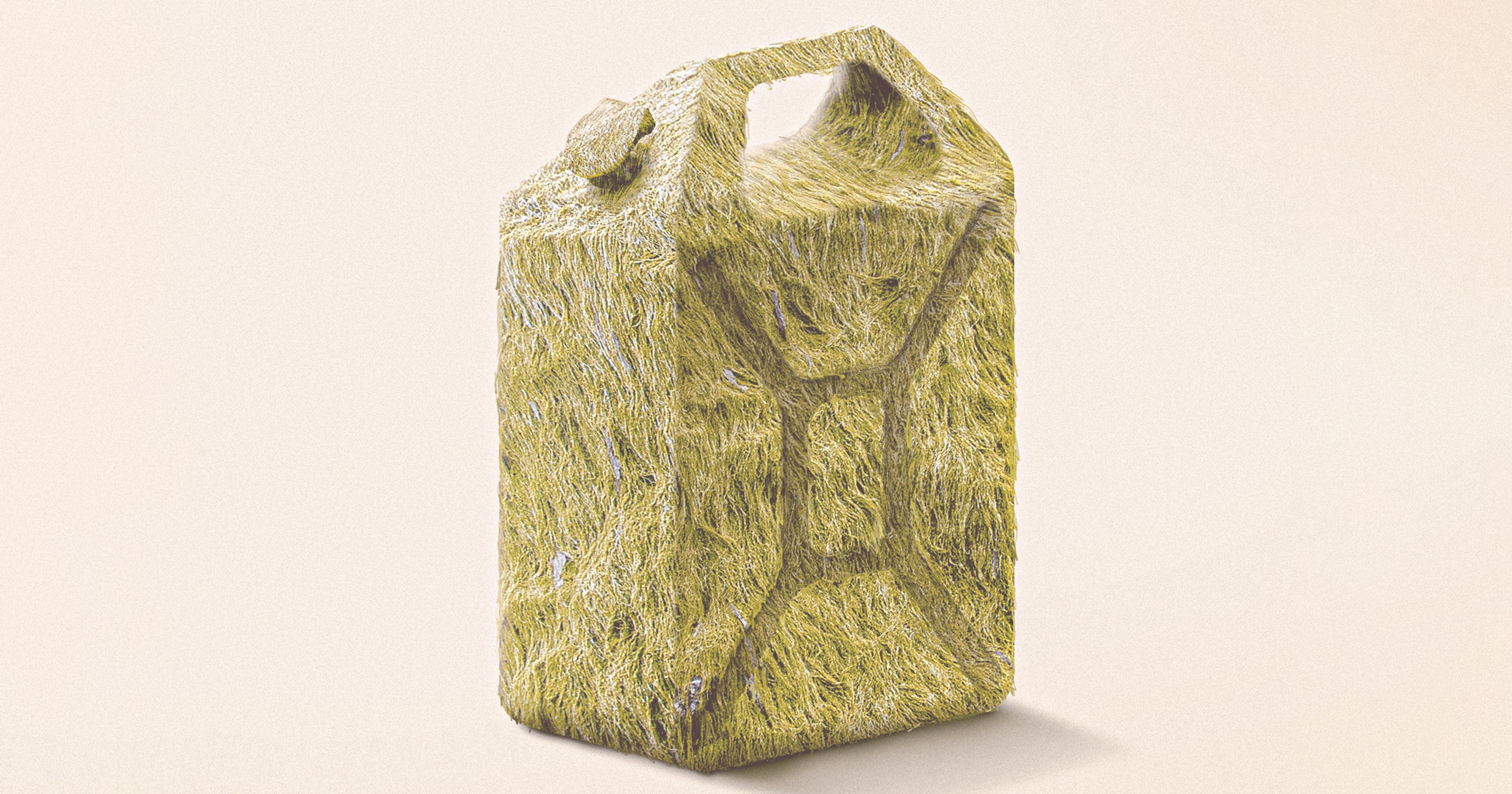
Finally, they’re investigating whether spent mushroom substrate can be made into packaging. So far, Jones said tests are showing promise for small packaging, such as that used in the grocery store for say, mushrooms. They’re now looking at whether they can use the material for larger buckets. “If we can make containers that are actually biodegradable, then again that’s a win-win for us,” said Jones. “That would really close the circle in terms of environmental sustainability.”
Give It Away Now
Every year, the non-profit Central Texas Mycological Society gives away tons of spent mushroom substrate to people in the Austin area.
The program started in 2021, in the wake of the snowstorm that knocked electricity out for millions of homes and businesses. Faced with a mountain of cold-shocked mushroom blocks, a local producer dumped hundreds of blocks on executive director Angel Schatz’s doorstep. After Schatz put out word on social media, the blocks were gone within hours — and the mushroom block giveaway program was born. “It just really was kind of grassroots and honestly viral, in the way that mycelium is,” Schatz said.
There are now about 50 community dropoff locations for spent substrate, run by hundreds of volunteers. These come from three local farms that grow mushrooms such as lion’s mane, oyster, and shitake, diverting about 500 tons a year from landfill. The organization offers training on how to use the substrate for compost, but they know some people get an extra flush of mushrooms out of the blocks, and they’re ultimately agnostic about how people use them. “We don’t judge anybody — we’re like churches,” Schatz said. “We just keep distributing them.”
This spring, the society is planning on doing some work at their research station inside the Circle Acres nature preserve, with funding from the City of Austin, to run more tests on the substrate’s suitability as compost. “We should just be throwing everything at all these waste problems: lots of people, lots of solutions, lots of ideas,” said Schatz.
It’s early in the process for repurposing this material at scale. But work so far suggests that a solution to many intractable issues may already be there, buried in the substrate.