During the pandemic’s supply chain disruptions, at least 18 tribes in the U.S. opted to vertically integrate. Several years later, they are thriving.
In 2016, the Osage Nation bought a 43,000 acre ranch from Ted Turner, the media mogul who founded CNN. The purchase made the tribe one of the largest landholders in Osage County, where it once owned every acre.
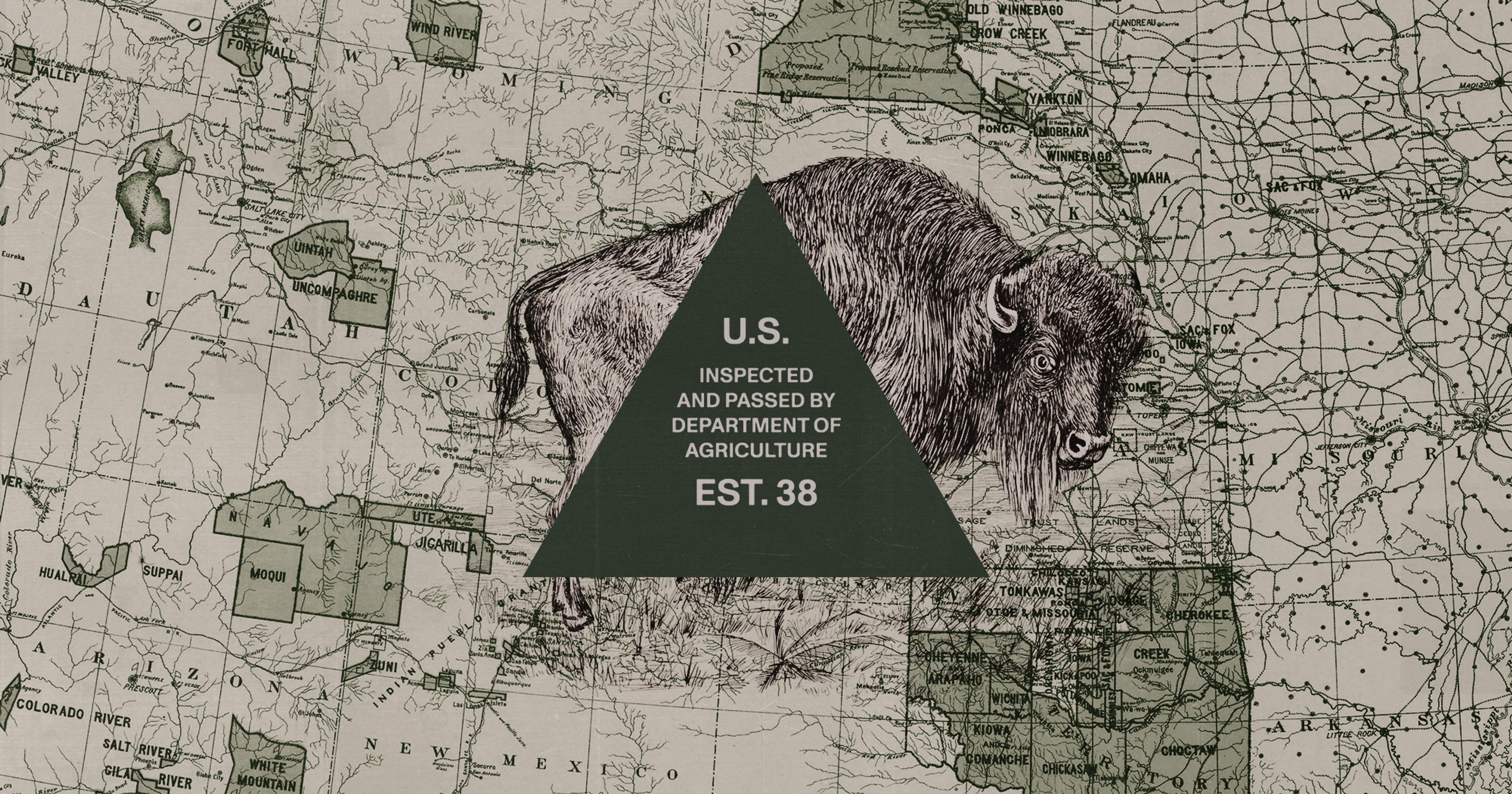
On the rolling prairies, the Osage Nation raises bison and cattle, with a large herd owned by its for-profit arm and a smaller one controlled by the tribe’s Department of Natural Resources. When the Covid-19 pandemic disrupted supply chains across America, the tribe found itself with no meat to feed the children in its daycare program or the elderly members who depended on food assistance.
“The chief was asking, ‘If we have cattle, why don’t we have meat?” said Jann Hayman, secretary of natural resources for the Osage Nation.
The answer was that the tribe, like many ranchers during the pandemic, had nowhere to slaughter and process its cattle.
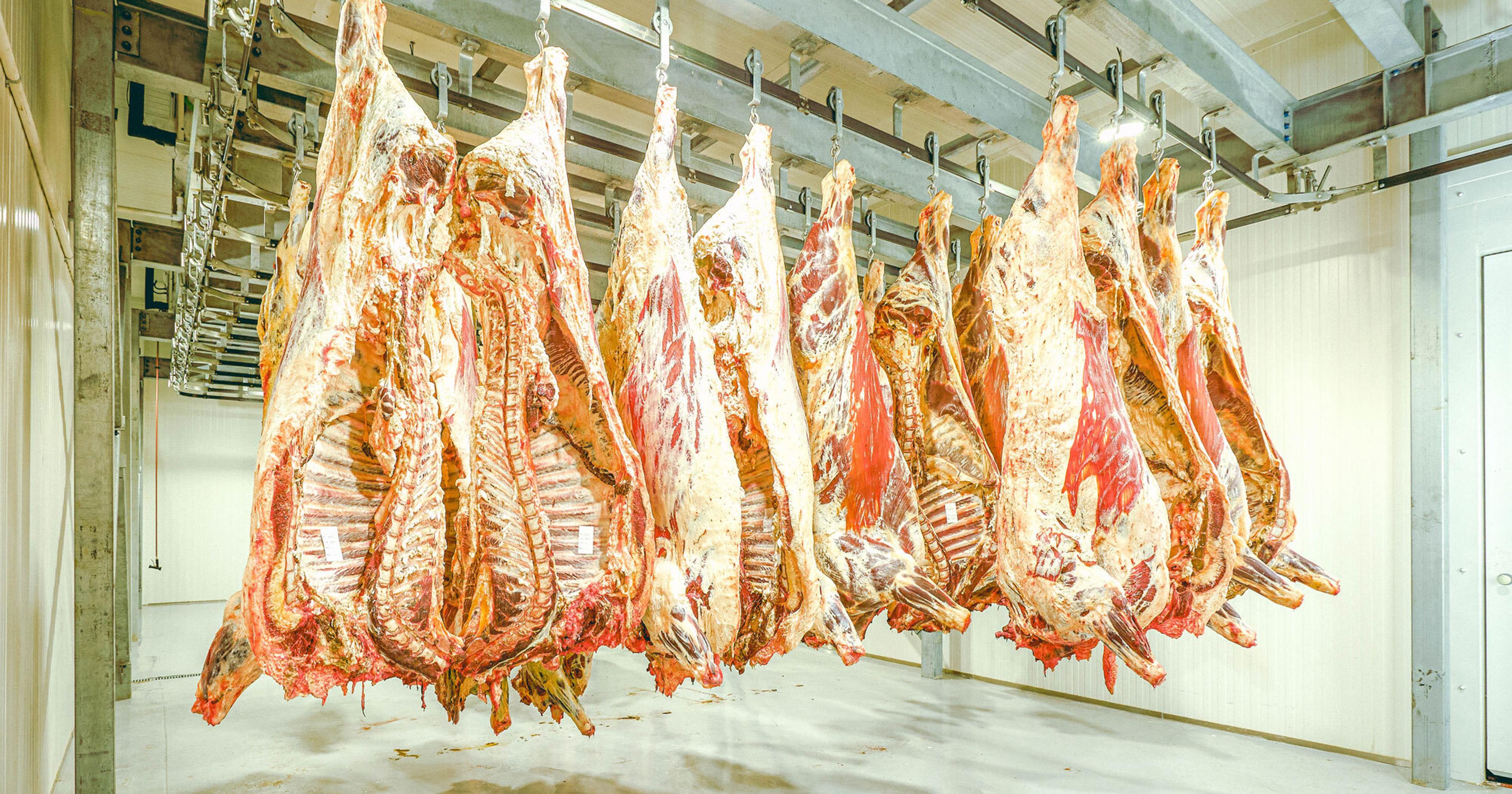
Consolidation of the U.S. meatpacking industry accelerated rapidly in the final decades of the 20th century. Today, four companies control 85% of America’s beef processing. Many of their massive plants, which can slaughter more than a million head of cattle each year, shut down during the pandemic when Covid spread through their workforce. In Oklahoma, smaller meat processing plants often did not slaughter beef, and those that did had wait times of up to a year.
The Osage made a decision that they could not depend on others to feed their people: They would build their own USDA-inspected meat processing plants. They were not alone. Since the pandemic, five tribes — the Osage, the Cherokee Nation, the Choctaw Nation, the Miami Nation, and Muscogee Nation — invested in processing plants across Oklahoma, the state with both the second-largest Indigenous population and the second-largest beef cattle industry.
“Give them credit for being first. They saw the direct demand during Covid and were the first to react to the problem,” said Chris Roper, who works with the Native-owned nonprofit Flower Hill Institute to help tribes develop processing facilities.
The Oklahoma tribes had the advantage of a nearby, successful model from the Quapaw Nation, which opened the nation’s first tribally owned meat processing plant in 2017.
Across the country, an estimated 18 tribes now operate plants that process meat and seafood, according to Roper. Nearly all those plants have opened since the pandemic. But that’s not all — Roper knows of dozens of other tribes that are planning to open their own processing plants.
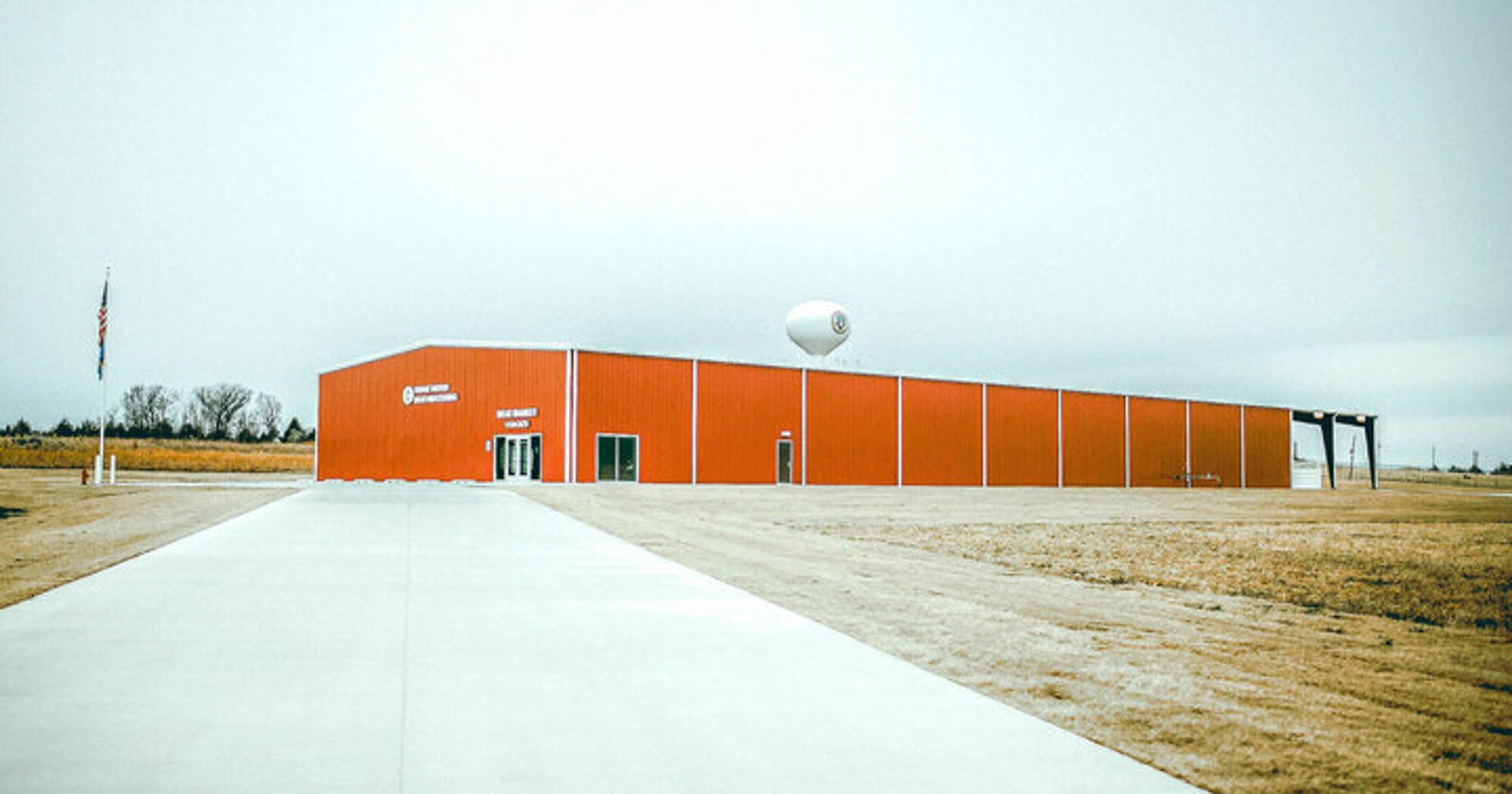
The Osage Nation’s Butcher House Meats offers slaughter and processing along with retail meat sales.
Meat processing plants are expensive to build. The business has thin margins. The competition from large processors is stiff. But the tribes are finding ways to be successful through vertical integration. They own the animals and then sell the meat to their casinos or food assistance programs. And they do not always define success in dollars like a private business. Bringing good jobs to rural areas and meat to food deserts is part of the goal.
The Covid pandemic also exposed the vulnerability of America’s overall meat supply. The shutdown of one massive facility could lead to a region-wide shortage. Supply chains proved to lack resilience. Tribes, often in remote areas, felt these disruptions acutely. And many tribal communities relied on food assistance that was only delivered once a month.
Many tribes recognized the urgency of taking control of their food supply so they could always ensure their people would be fed. “It’s been a revolution,” Roper said.
The Osage invested nearly $10 million to build its meat processing facility, which harvested its first cattle and bison in February 2021. Today, Butcher House Meats, a 19,000 square-foot brick-red building, slaughters and butchers around 60 animals each month, including hogs and deer during hunting season, for both the tribe and other local community members.
The Business of Beef
On a stretch of U.S. Highway 259 in southeastern Oklahoma, close to the Arkansas border, the large, tidy white building emblazoned with the Three Rivers Meat Company logo stands out among the surrounding pastures and pine trees. The store and processing plant sits in a rural corner of the nearly 11,000 square miles that fall within the boundaries of the Choctaw Nation, which owns 65% of Three Rivers in a partnership with private investors.
Inside the gleaming space, with walls of blond wood planks and a patinated ceiling fan that looks salvaged from a windmill, you might smell burgers on the grill or the meat smoker in the back. There are tables for café customers. Cases are filled with deli meats, hot dogs, and summer sausage — all made on site and branded with the Three Rivers logo — along with roasts, ribeye steaks, and ground beef. The shelves are stocked with supplies for boaters headed south to nearby Beavers Bend State Park.
“We wanted to be part of that community over there, that rural community,” said Evan Whitley, executive director of agriculture and natural resources for the Choctaw Nation.
The tribe got serious about ranching a decade ago. They started paying more attention to the breeding of their cattle and the management of 65,000 acres spread across eight ranches. These ranches were assigned to its commerce division, which also runs casinos and a chain of gas stations.
Whitley, who had experience both with the Noble Research Institute, which works with farmers to improve profitability and soil health, and the commercial grass-fed beef producer Dakota Beef, was hired to manage the operation. Today, the tribe’s herd numbers around 2,500 head of Angus-based cattle and a handful of bison. That makes the Choctaw Nation one of the top five cattle producers in Oklahoma, according to Whitley.
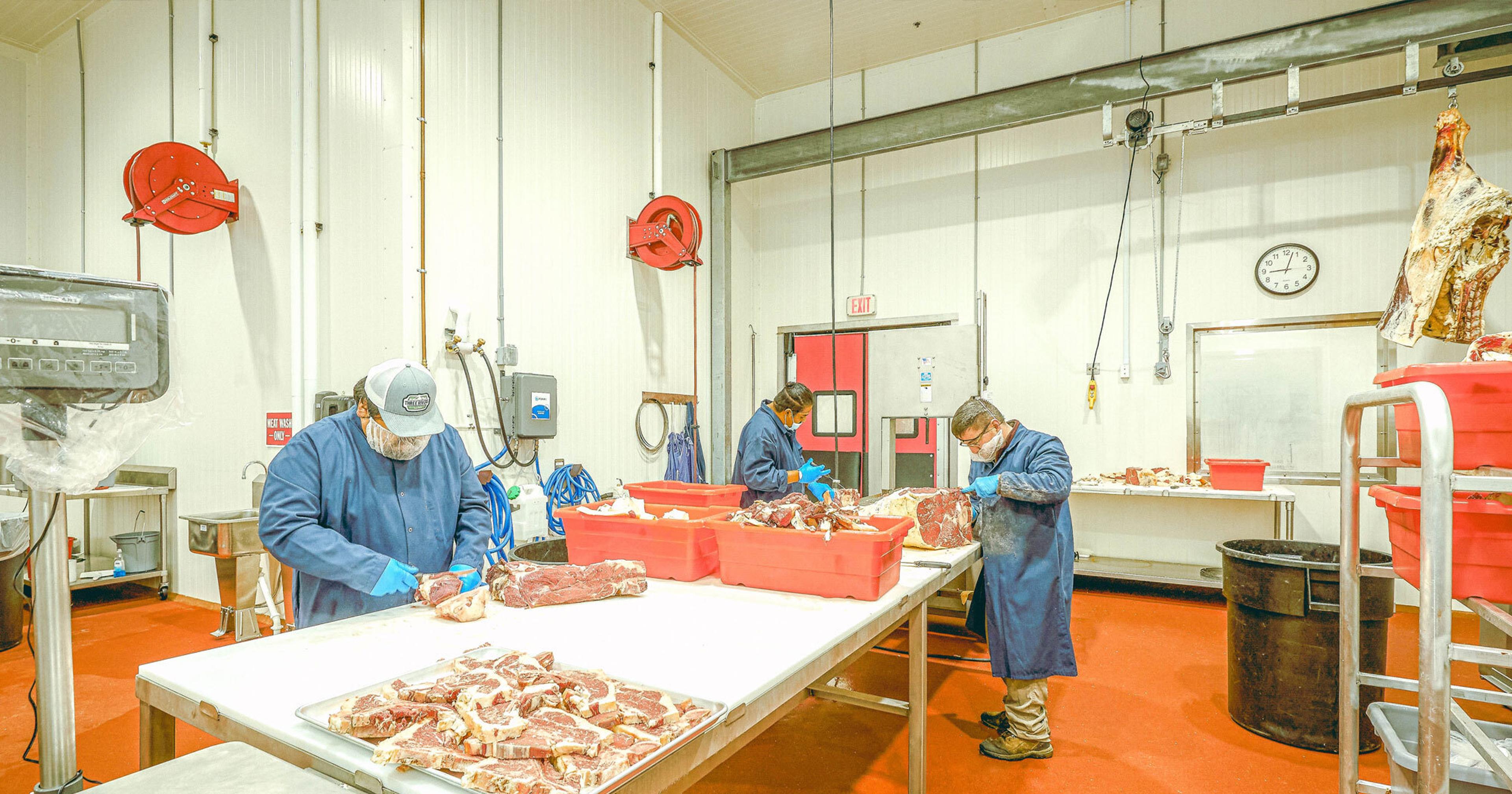
Workers cut steaks at Three Rivers Meat Company, whose majority owner is the Choctaw Nation.
Three Rivers, financed without federal funds, was built to support the tribe’s cattle business while taking care of the surrounding community. Owning Three Rivers also ensures the Choctaw’s beef business will not be interrupted by a future emergency.
“We learned in Covid that we are very vulnerable,” Whitley said.
Unlike many startup businesses, Three Rivers already had a ready buyer for its products: The restaurants inside the Choctaw casinos.
“When I was working at Dakota Beef, most of our conversations were, ‘How do we capture more market share?’ These conversations are, ‘How do we make sure we leverage the market share we already have?’” Whitley said.
“We learned in Covid that we are very vulnerable.”
The Choctaws are vertically integrated. Their cows graze on their ranches, are butchered by their processor, and then are sold to their businesses. At the Choctaw casinos, the prime cuts end up on the steakhouse menu for high rollers, while the ground beef gets made into burgers.
The bottom line for the tribe’s businesses, however, is not just measured in dollars. Paying a little more for beef can make sense when the money stays in the family.
“It’s incumbent on me to provide a competitive price, but we can’t be food sovereign at Sysco prices,” Whitley said. “The goal here is not to make money at the demise of our food and beverage [department].”
In the last two years, Whitley has also grown the Choctaw’s “freezer beef program,” which offers retail customers a quarter, half, or whole carcass, from 150 to 600 pounds of butchered beef. And the tribe took advantage of the USDA’s Local Food Program Assistance Cooperative Agreement Program, which let states and tribes buy local products for their food aid initiatives. Nearly 180,000 pounds of Choctaw ground beef was distributed to community members through the program.
Built for Bison
From the remote dirt road, an array of solar panels blocks from view the Quapaw Food Services Authority, the Quapaw Nation’s meat processing plant in Miami, Oklahoma. The entire plant is arranged in a logical straight line, with the kill floor in one corner and a clean room for ready-to-eat products at the other end. Along an antiseptic hallway decorated with photos of grazing bison, picture windows reveal what happens in each room. Since opening, Quapaw Food Services Authority has given thousands of tours to students, potential customers, and other tribes.
On a recent October day, the plant was processing bison, which had come all the way from a private South Texas ranch that sells the meat online. From the kill floor observation window, the live bison were hidden inside the knock box, which is heavy steel on the outside and well-padded inside. Bison are fierce. When they encounter a wall, they may break their neck trying to charge through it.
From a platform above, a worker aimed a .223 bolt-action rifle at a knot on the back of the bison’s neck and fired one shot. A few minutes later, a panel opened and the lifeless bison tumbled onto the floor. The crew, wearing hardhats and yellow aprons, got to work with knives and air skinners to break down the beast.
“Everything about a bison is harder than beef,” said Jeff Mitchell, plant operations manager. “But once you get used to it, it’s not that bad.”
The crew, wearing hardhats and yellow aprons, got to work with knives and air skinners to break down the beast like an automotive assembly line running in reverse.
“Everything about a bison is harder than beef. But once you get used to it, it’s not that bad.”
Bison was a main reason the Quapaw Nation opened a meat processing plant in 2017. The tribe in 2010 had brought bison back to northeastern Oklahoma on the land surrounding its Downstream Casino Resort. The bison were a living symbol of the Choctaw’s history and culture. Managing the herd required culling bison that were crossbred with cattle, not genetically pure. And selling those culled bison could generate income.
“You need to sell some to pay for the feed, pay for the program,” said Roper, who at the time was a full-time consultant for the Quapaw Nation.
The tribe added cattle to their ranching operation in 2014.
Quapaw Food Services Authority, financed mainly with private loans along with some federal HUD funds, now ranks as the top small processor for bison in the country. The facilities, designed in consultation with famed animal-welfare expert Temple Grandin, were built stout enough to handle bison. The butchers are trained for the challenge. And, since 2024, the Quapaw are reimbursed for the USDA’s bison inspection fees, one of the only advantages a tribally owned meat processor has over other facilities. The Quapaw refund that fee to their customers.
Bison, though, remains a niche. In August, only 5559 bison were processed in USDA-inspected plants. That same month, for contrast, 2.33 million cattle were slaughtered. And cattle still account for roughly three quarters of the 40 to 80 animals that pass through the Quapaw Food Services Authority each week.
As the first tribally owned meat processor, the Quapaw had no examples to follow. The tribe built a 25,000 square-foot facility, far more space than the seven-member opening crew needed. “We were great at getting the cart before the horse, so to speak,” said Mitch Albright, director of agriculture for the Quapaw Nation.
A steady customer for the Quapaw beef is the tribe’s own Food Sovereignty Department, which gives away 20,000 pounds of beef or bison every quarter.
The Quapaw Food Services Authority did eventually outgrow the space that once seemed overbuilt. Since opening, the plant has expanded to 30,000 square feet and more additions are planned.
Albright stressed that profit margins are always thin in meat processing. And the tribe’s policy of offering a $15 minimum wage with benefits means they spent more on labor than their local competitors. But one mission of the plant is to provide good jobs in the rural region.
A steady customer for the Quapaw beef is the tribe’s own Food Sovereignty Department, which gives away 20,000 pounds of beef or bison every quarter to tribe members. The most recent distribution in September provided each head of household, regardless of need, with 10 pounds of ground beef and two roasts.
“I think we hit a point where the tribe feels we’re certainly an asset,” Albright said.
Looking Ahead
A few dozen relatively small meat processing plants cannot replace America’s consolidated system of massive plants. But they can help feed a community.
“If you have 400 pounds of meat, and divide that out by six-ounce servings, how many meals is one animal providing? For most of the tribes, they’re trying to feed their people, and they’re trying to make sure that their grocery store shelves aren’t empty in the next pandemic,” said Roper of Flower Hill Institute.
Owning the plants that process meat is not just about food security, making sure that tribal members can eat. It is also an important step towards food sovereignty — controlling the food supply and deciding what they will eat. And sovereignty, the power to govern themselves, is a right that tribes have long fought to preserve.
Food sovereignty means tribes can decide if profit matters most, or if breaking even while giving back to members is the goal. One tribe can support other tribes, processing their cattle, hog, bison, or the deer that individual members hunt. If they have a retail outlet, they can offer tribal discounts or accept SNAP benefits.
They are preparing for the next time the system fails them.
At the retail shop for Butcher House Meats, the cases always have suet, which Osage members use to make meat pies. Sometimes customers ask for stew meat cut a certain way for a dish to be served at a funeral or a tribal dance. Or carvers want bison bones to turn into traditional dice.
Some tribes that Roper works with prefer to slaughter their livestock in the fields where they lived. Others make sure to say a prayer before ending the animal’s life.
As he works across the country, Roper sees more tribes taking control of their food systems, not just beef production. The tribes are stepping up in the rural areas that private businesses have abandoned. They are finding ways to supply food assistance programs, so money stays within the tribes. And they are preparing for the next time the system fails them.