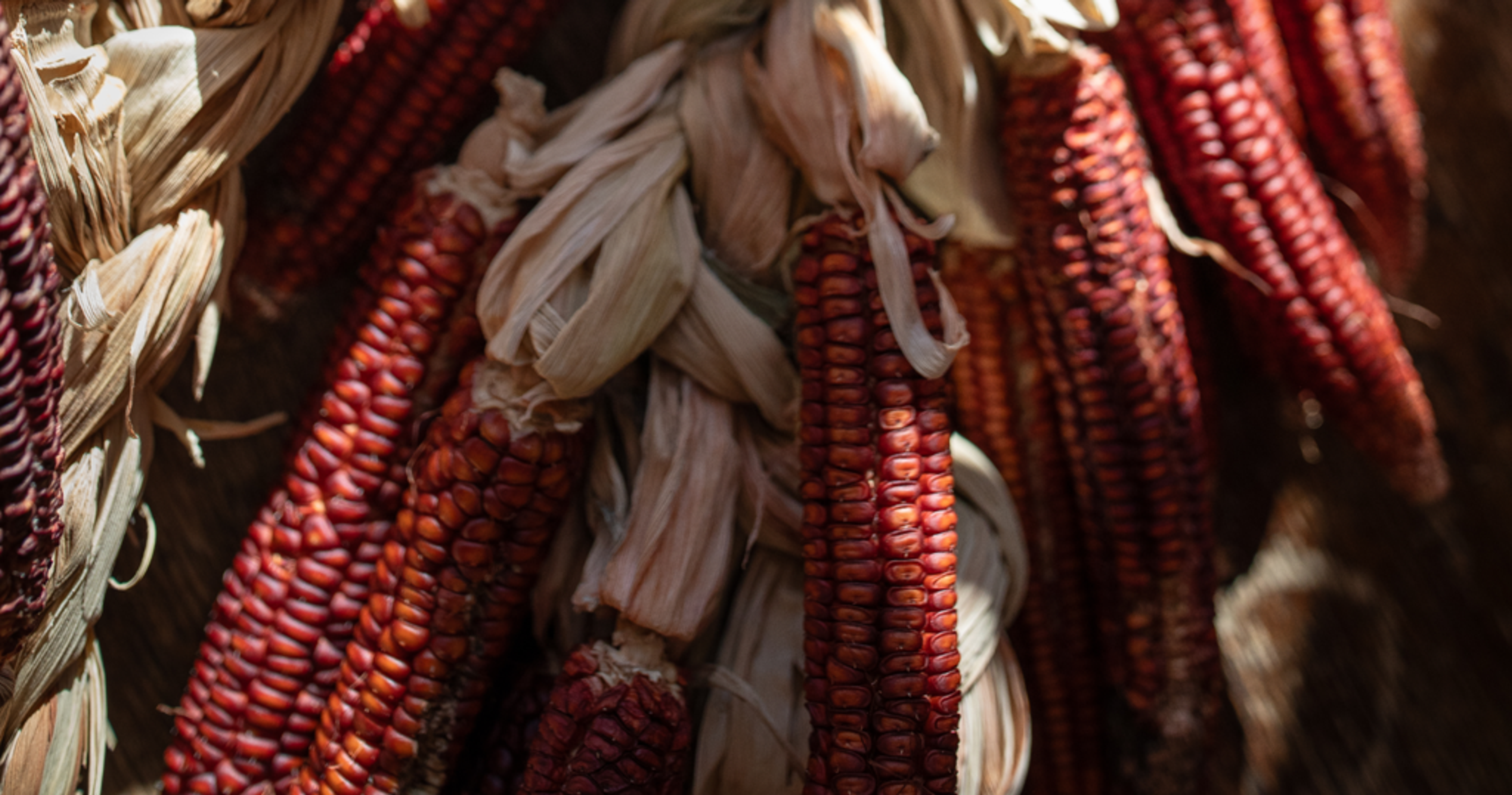
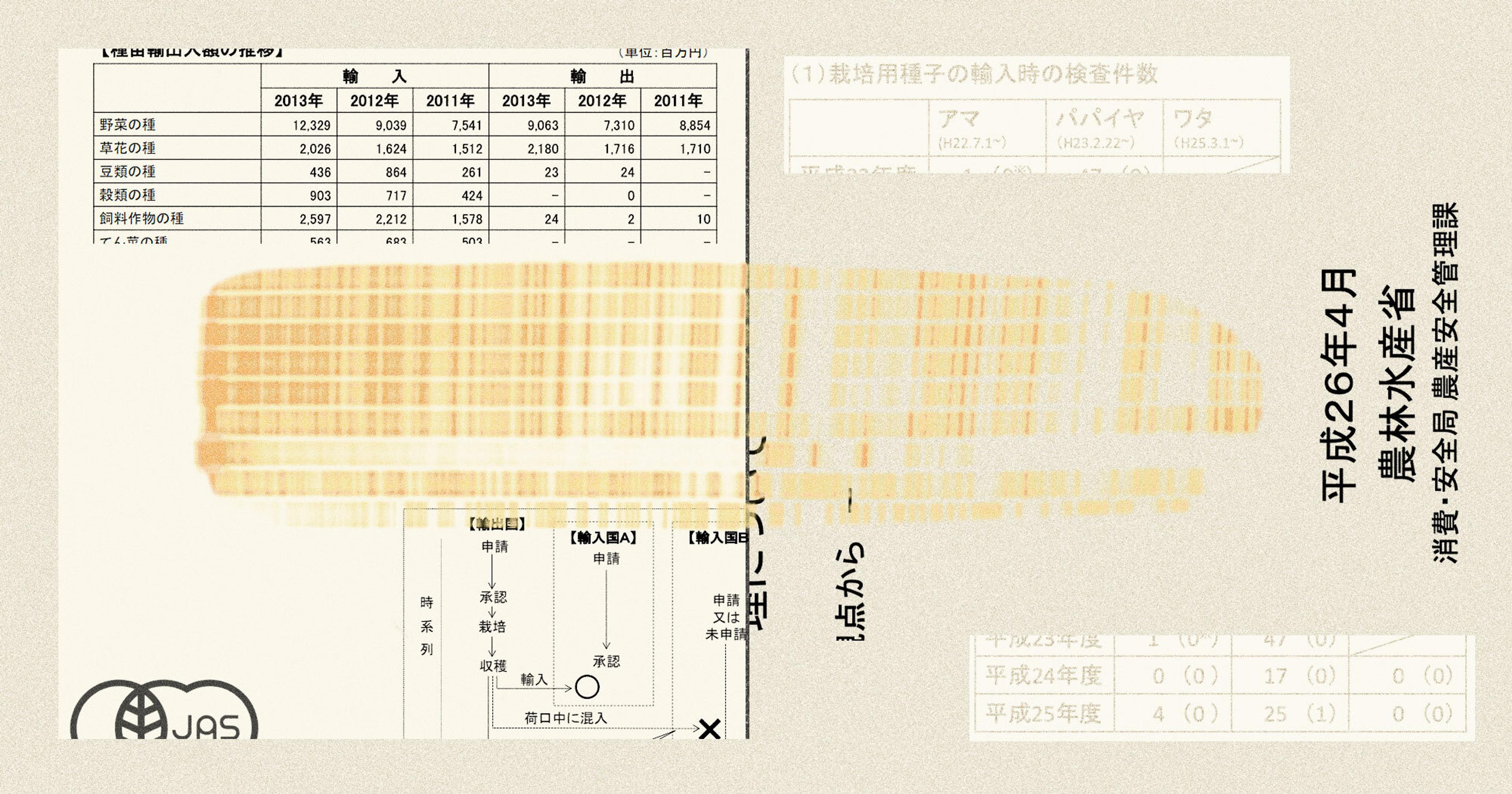
Genetically modified corn is highly unpopular in Japan, yet the country is deeply reliant on GM corn from the United States.
Japan has a huge appetite for corn, with the majority of it coming from the U.S.—15.8 million metric tons imported in 2025. This relationship was tested in 2022, when the U.S. share of Japan’s corn imports dropped to 6.9 million metric tons, as competition from South America intensified. Since then, the relationship has rebounded, with the U.S. regaining its title as Japan’s biggest corn supplier.


Japan cultivates its own exceptionally sweet varieties of “toubiki” or sweetcorn, on its northernmost island, Hokkaido, where roughly 80,000 metric tons are produced annually. This includes the “golden rush” and the “pure white” varieties, which are so sweet they can be eaten raw.
Japan’s love affair with corn didn’t begin until the late 19th century, when the Hokkaido Development Commission introduced American flint corn to Japanese farmers as a cold-climate food staple. Toubiki has since been sold in Hokkaido every summer, due to its “overwhelming sweetness and juiciness,” according to Biei Tourism Association, a sweetcorn tour operator. Sweetcorn tourism in Hokkaido is booming, with visitors traveling specifically to sample corn during peak season from late August to September.
“Seasonal produce offers the best flavor, aroma, and nutritional value,” the association notes, “not only in Hokkaido, but throughout Japanese culture, there is a deep-rooted tradition of making the most of seasonal ingredients and savoring the changing seasons.” This tradition helps explain why Japanese consumers favor organic and seasonal produce over genetically modified (GM) crops.
Despite Japan’s love of locally produced, GM-free corn, there is a steady import market for U.S. GM corn to feed livestock, a supply chain not all consumers are happy with.
What Is U.S. Corn Used for in Japan?
Most U.S. corn imported into Japan goes toward agricultural feed (75%), with the remaining 25% split between cornstarch (24%) and other food purposes (1%), according to the U.S. Grains Council. Japan imports roughly 15 million tons of corn for agricultural feed, with the U.S. supplying 45.8% of that demand.
Few Japanese retail products contain U.S. corn; exceptions include House Foods Tongari Corn crisps, Yaokin Umaibo Corn Potage (corn snacks that taste like corn soup), ready-to-drink teas, and canned coffees sweetened with corn-derived sugar. Around 1.6 million metric tons of imported U.S. cornstarch goes into manufacturing sweeteners, including high-fructose corn syrup used in soft drinks and alcohol, equating to 70% of cornstarch demand in Japan.
Though U.S. corn is ubiquitous in Japan, it remains largely hidden from supermarket labels and instead indirectly finds its way into supermarket shelves through agricultural feed, cornstarch, and syrupy corn sugars. Japanese consumers are divided on GM corn, with many expressing deep concerns about the potential health risks and call for mandatory labeling.
In Japan, GM food has garnered repeated negative stories both domestically and overseas, worsening public opinion of GM crops in regard to food safety. This is mirrored across Europe and Mexico, with uncertainty breeding distrust when it comes to health impacts but also unknown environmental consequences. In Japan, these concerns have led to strict labeling.
Genetically Modified vs. Genome-Edited: Why the Distinction Matters
The labeling situation lacks uniformity, as different Japanese ministries categorize GM corn products differently. Tetsuya Ishii, associate professor of Hokkaido University’s Office of Health and Safety says, “It appears this … worsens the trust in genome-edited food.”
That confusion matters more in Japan, as it grows only 0.1% of its domestic corn demand, and is heavily reliant on imported GM corn. Corn acreage in Japan is on the decline, largely due to an aging population, shortage of agricultural labor, and subsequent farm abandonment. Despite government attempts to reverse food insecurity, Japan is heavily reliant on food imports.
Regardless of this dependence, Japan has strict rules distinguishing GM corn from genome-edited (GE) corn. Most U.S. corn is classified as GM in Japan, meaning foreign DNA has been inserted into the genome, often to provide pest resistance or herbicide resistance. This requires mandatory labeling and zero-tolerance checks to keep unapproved corn out of the food supply.
Japan requires mandatory labeling for all corn and corn-derived products containing 5% or more genome-edited components, including corn snacks and cornstarch. Ishii said this is largely because of consumer perception. “Some people are concerned about meat safety from animals who had GM corn. Likewise, they are likely to worry if they perceive genome-edited corn as a type of GM corn,” he noted.
Products that can’t be labeled non-GM fall under the “identity preserved” category and must avoid any commingling with genome-edited content beyond the 5% threshold. Major domestic food brands source identity-preserved corn, with some retailers labeling products as “No! GMO.”
Will Japan Grow Its Own GM Corn?
Since 1996, the U.S. has grown GM corn which is herbicide-resistant, Bt-resistant (Bacillus thuringiensis), or both. GM corn outperforms non-GM corn in yield and pest resistance. However, key pests like rootworm have already developed Bt resistance “causing about $2 billion a year in U.S. yield losses,” said Bruce Tabashnik, regents’ professor and head of the entomology department at the University of Arizona.
Owing to an increasing demand for domestic agricultural feed, there have been marginal regional increases in Japanese corn yields, for example in the Tohoku region rising from 247 acres in 2020 to 1386 acres in 2023. However, nationwide yields are decreasing, and when coupled with a changing climate, food security is a growing concern.
For these reasons, Ishii forecasts that Japan may ultimately look to grow its own GM corn. “Hokkaido congress has discussed the issues of genome-edited crops several times,” Ishii said. “As one of Japan’s biggest agricultural prefectures, climate change may change its policy and people’s attitude.”
Debate over whether to permit GM crops has continued for over two decades in Hokkaido. In 2005, a single hectare of GE soy was planted there, sparking fear among farmers and consumers. In response, the Hokkaido prefecture issued a Bylaw on the Prevention of Crossbreeding of Crops. In 2026, GM corn is still not grown on Hokkaido soil.
The reasons for this may be related to the labeling. With a growing tourist market eager to eat Hokkaido corn “raw on the spot,” coupled with Japanese consumers‘ preference for traceability when it comes to food safety, there would need to be a clear distinction between the organic corn grown for sweetcorn tours and the GM corn used for other purposes.
There also needs to be trust behind the labeling—consumers who desire organic non-GM crops can be confident that they’re buying what they pay for. As Ishii noted, it is more likely for GE crops to be marketed in Japanese supermarkets, “if people who refuse genome-edited crops can trust the organic agriculture standards more.”
Increasing food security, labor shortages, and a changing climate will likely in the future ensure that Japan continues to rely on U.S. corn for agricultural feed, cornstarch, and other food uses. How open this relationship is will depend on the tightening or loosening of Japanese regulations and in turn whether consumers are willing to be more receptive to GM corn.