Composting human bodies is a growing trend. But is it safe?
Since 2020, a network of human composting providers have been accepting human bodies and turning them into compost. Interest in this funeral process continues to rise; in Seattle alone, nearly 1,000 human bodies are composted annually, as reported in The Seattle Times. That’s roughly 1,000 cubic yards of compost created each year. Niche companies like Recompose return the compost to loved ones who use it in their own gardens or donate it to public lands.

For supporters, human composting serves as a way of giving back to the land after death. For others it raises concerns about safety, land use, and regulation. In the Netherlands, regulators say “there isn’t sufficient data” to determine whether the process is safe. Meanwhile in the U.S., disputes have emerged over where human compost can be applied. Colorado has banned its use on food crops, while California county supervisors have objected to its use on public lands.
Human composting accelerates natural decomposition by placing bodies in controlled vessels above ground. Although not considered a “green burial,” it is recognized as a green funeral method by the National Funeral Directors Association, which reports growing interest, particularly among younger audiences.
The process of human composting draws stark parallels with a more familiar one: livestock composting. A body is typically laid on a mattress of straw, alfalfa, and woodchips. Loved ones cover the body in these materials during a ceremony, which Recompose calls the “laying in.” The vessel is sealed, ventilated, and temperature-controlled for at least five weeks, producing roughly one cubic yard of compost. Temperatures must exceed 131℉ for a minimum of 72 hours for pathogens to be destroyed; this is the same threshold for livestock.
Katrina Spade, founder of Recompose, was drawn to human composting after she started to feel “mortal in her 30s.” Spade’s interest led her to Lynne Carpenter Boggs, a Washington State University professor of sustainable and organic agriculture who has studied livestock composting since the late 1990s.
Carpenter-Boggs‘ research has been pivotal in establishing composting as a safe, affordable, and convenient way for farmers to dispose of dead animals. In the spring of 2026, for instance, Daybreak Farms in Wisconsin composted significant numbers of chickens following a bird flu outbreak. In Washington the process has long been embedded in agricultural practice and was tested in 2020, when a freak blizzard in Yakima killed around 1,500 dairy cows; 900 were decomposed on-site.
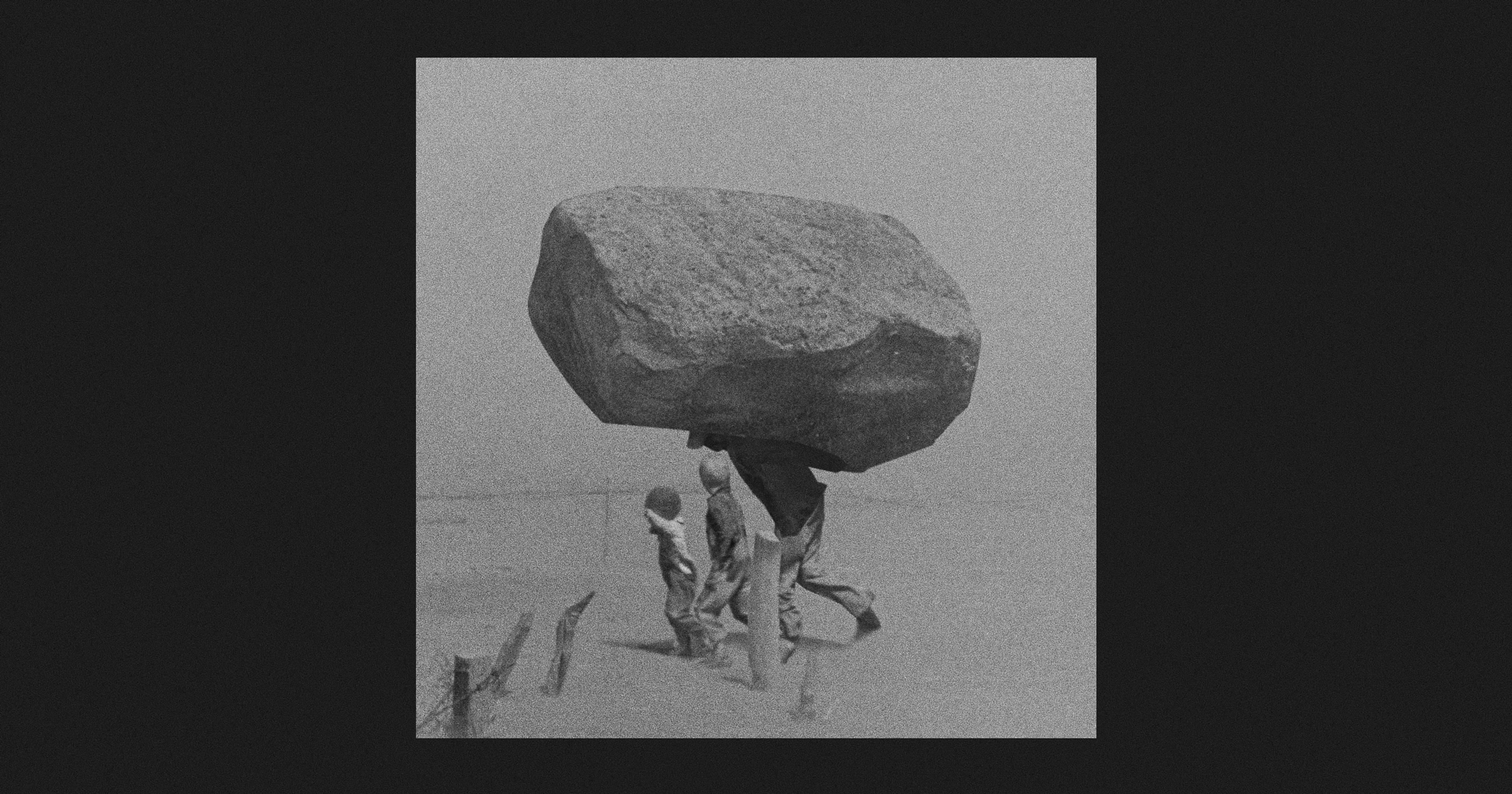
Of course, humans are not cattle — dignity was a key feature when transitioning the process from livestock.
When decomposing his lost herd, after the blizzard, Ruurd Veldhuis, owner of FRH Dairy, chose livestock composting over landfill. He said, “We’ve always followed our plan, and we knew what to do … We weren’t going to sit around ... We’re dairymen. We take action,” Veldhuis told the Yakima Herald Republic. FRH Dairy, like many farms, incorporates composting casualties as part of its on-site nutrient management plan.
Carpenter-Boggs found that beside the environmental, biosafety, and cost benefits, producers describe livestock composting as “natural,” “humane,” a “circle of life process,” or a way to “honor” the animal.
But of course, humans are not cattle — dignity was a key feature when transitioning the process from livestock. When designing the vessel chambers Spade uses at Recompose, she “designed a system to gently load a human body into a vessel because an on-farm mortality composter isn’t designed for that.” For human composting to be more widely accepted, people need assurance that the process is handled by humans and not by farm machinery.
Legislate, Legislate, and Then What?
Fourteen states have now enacted human composting legislation, allowing the right to choose to be composted — with restrictions. Washington was the first to legislate in 2019, allowing for the contained and accelerated conversion of human remains into soil. No states are currently banning human composting.
State legislation differs and with no national framework governing what happens to the resulting compost, there’s some ambiguity on what the compost can be used for. Similarly, Carpenter-Boggs notes livestock composting requires no permits, meaning it’s unclear how much compost is created and how it’s used.
There are state-to-state differences in the permitted use of human compost. In California, for instance, resulting soil may be added to conservation area topsoil with written consent from the person controlling disposition of the remains, while Maine requires any soil amendment to be recorded with the state regulator.
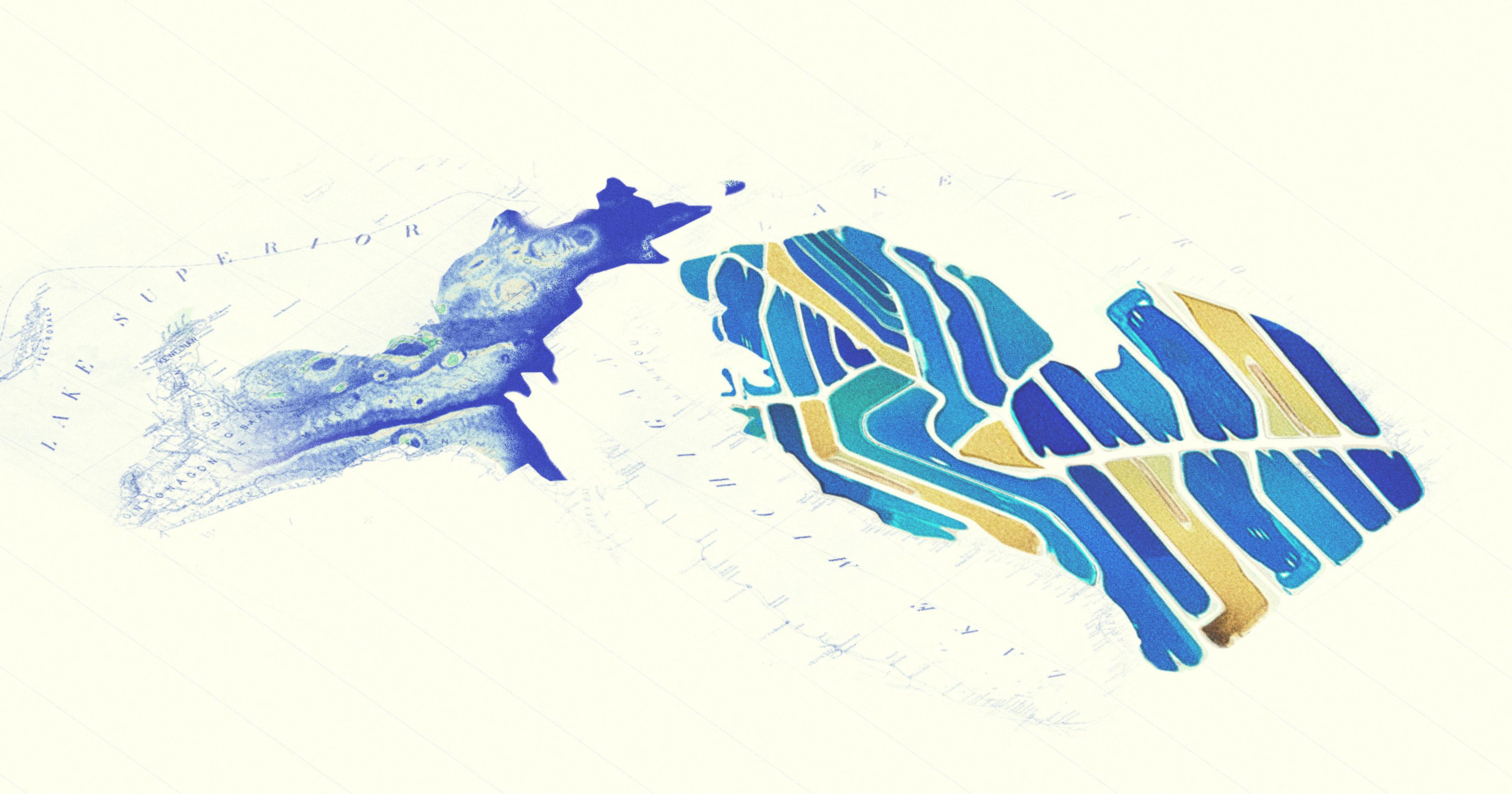
In Washington, human compost can be used on public or government lands with agency approval. Recompose partners with three nonprofit organizations through its Land Program. This includes Bells Mountain, an organization working to ecologically restore a 700-acre rural site, where compost is applied as a soil amendment to support land recovery.
“You don’t need to use human composted soil for food, because there are many wonderful and meaningful ways to use the soil instead.”
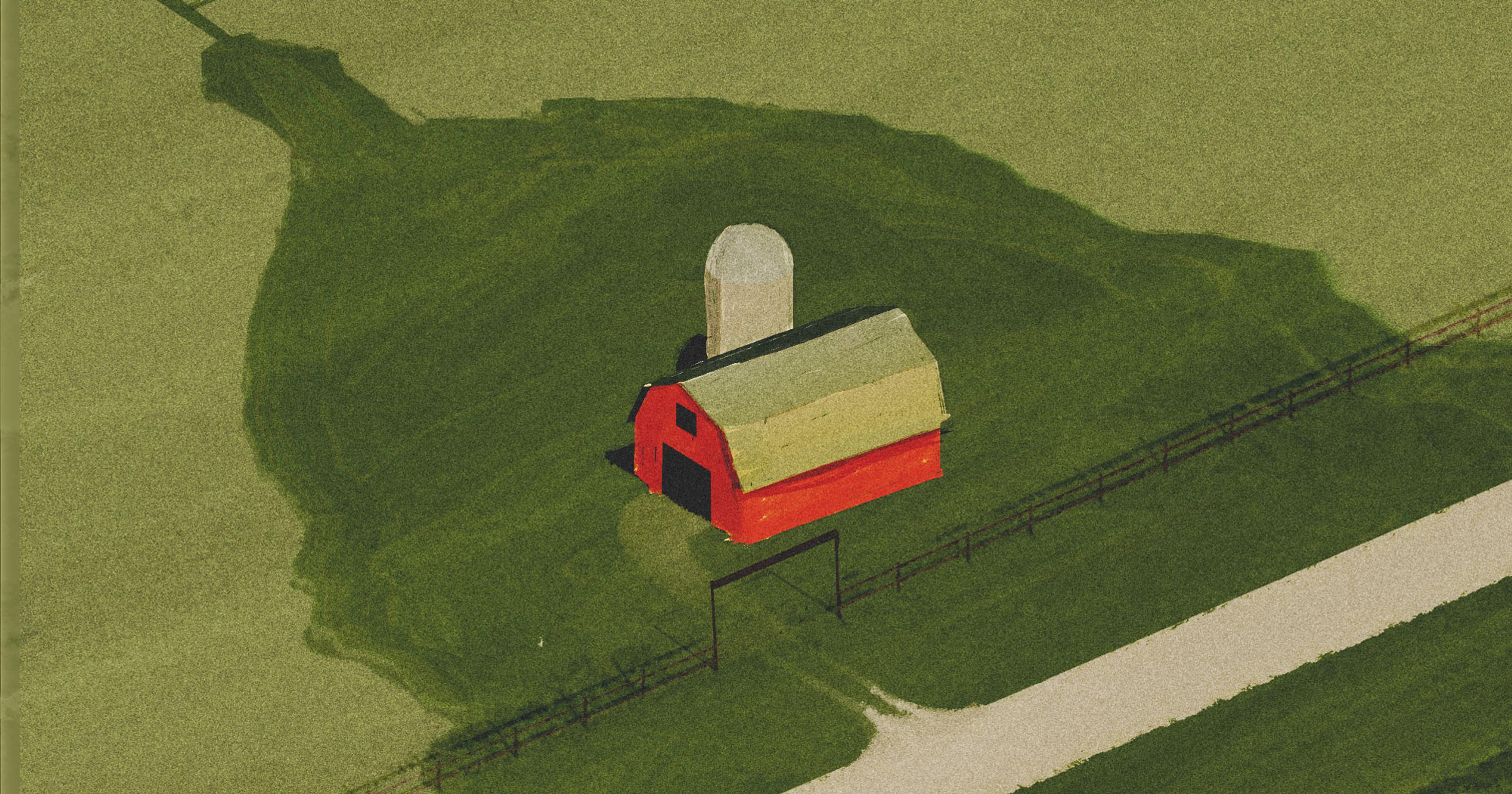
Tension over land use is already emerging. In Fresno County, California, the company Earth Funeral and the Sao Joaquin River Parkway and Conservation Trust arranged to spread compost on a 76-acre public site. County supervisors objected loudly, serving a cease and desist and calling for a countywide ordinance restricting application of human compost. “This public land is culturally significant and environmentally sensitive. People currently use this land to pick fruit from trees,” County Supervisor Bredefeld told told ABC News.
For food production, official government positions are developing. Currently, in California, legislation does not prohibit use of human compost for crops for human consumption, while Colorado explicitly does. Spade expects future state legislation to follow suit. Her own stance is unambiguous: “You don’t need to use human composted soil for food, because there are many wonderful and meaningful ways to use the soil instead.” Spade and Carpenter-Boggs argued that growing crops for non-food purposes such as alfalfa, straw, and cotton carry less concern, but the regulatory picture is still evolving.
How Safe Is It?
In the U.S., human composting providers follow strict protocol. Bodies are assessed for diseases and infectious conditions such as Ebola, tuberculosis, or Creutzfeldt-Jakob disease, and if found, are rejected. Compost is routinely tested by third-party laboratories for heavy metals, pathogens, and physical contaminants like dental fillings, medical implants, and bones (which are removed).
Internationally, the picture is more cautious. In October 2025, the Netherlands Health Council assessed that unresolved safety concerns mean human composting does not meet conditions for approval as a decomposition method, yet. Their report found that differences between human and livestock composting could create conditions for pathogens to multiply, with constant airflow potentially allowing bacteria like tuberculosis bacilli to spread via dust particles.
“For humans we simply don’t know how effective composting is at reducing the pathogen load.“
“For humans we simply don’t know how effective composting is at reducing the pathogen load. The question of what is left in the soil and what can spread and how quickly, is unanswered, there isn’t sufficient data,” said Karien Stonks, president of the Netherlands Health Council.
The council also raised the issue of antibiotic resistance, noting that around 5% of the Dutch population carries antibiotic-resistant bacteria, with resistance encoded in DNA that may not fully degrade at composting temperatures. That said, with a sufficient standardization process and enough data, there is a possibility that in the future the Netherlands Health Council will permit human composting.
“Once additional data is available we could regulate for use at home or conservation purposes but for food that brings a lot of ethical implications that we would need to come back to,” said Karien.
What Does Human Compost Add to the Land?
Supporters argue that human composting offers a safe and environmentally sound alternative to traditional decomposition. Its output, a cubic yard of mineral-rich compost, can directly support land restoration, reforestation, and ecological repair, as seen at Bells Mountain.
For farmers interested in nutrient management, the compost acts as a slow-release nutrient source, enriching soil function and improving its capacity to retain other nutrients. According to Carpenter-Boggs, compost improves water infiltration, reduces runoff, and improves conditions for root establishment.
And compared to conventional burials, where embalming chemicals leach into the land and water; composting can add to the soil rather than depleting it.
“The idea of being transformed into compost, so that you can create soil health and can very directly return your molecules from your physical body to the natural ecosystem has completely galvanized people,” said Spade.
Whether human composting takes hold will depend on the ability of national and state regulation to keep up with the science; public willingness to reimagine how our bodies can be safely decomposed; and appetite for compost to be applied on public lands. For most farmers, the logic behind livestock mortality composting already makes sense: It’s cheaper, more convenient, and gives the animal “honor” in death. The question lies whether that logic can carry over to humans.