American fascination for the remote and unfamiliar is shaping rural economies on the other side of the globe.
If you’ve opened YouTube or Instagram in the last few years and have any interest in food, odds are high that you’ve encountered a video set in a mountain village where a guy, say, roasts an entire camel in a pit in the ground, or deep fries a whole ostrich, or cooks a Wagyu steak aged for 30 days in peanut butter. (Is it good? Apparently.)
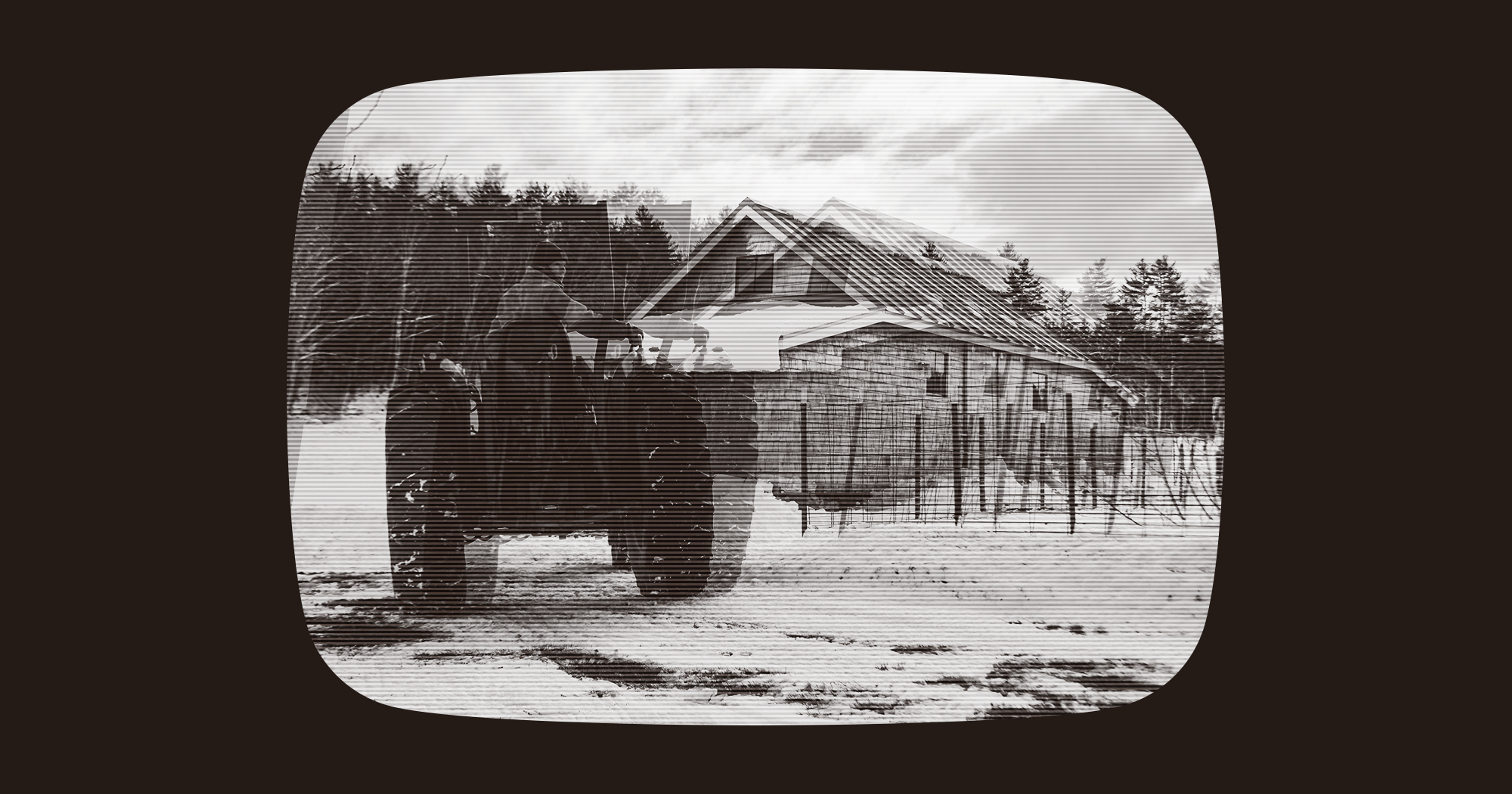

This is Wilderness Cooking, a viral YouTube channel with 1.8 billion views and counting — statistically somewhere between MythBusters and The Eagles in terms of total views — where each dish, cooked in the great outdoors, seems more outrageous than the last. Other channels filmed nearby, like Sweet Village or Faraway Village, feature scenic footage of rustic villagers milking sheep, foraging for wild herbs, or making homemade jam.
Yes, this is a niche part of the internet, but not that niche. Wilderness Cooking alone has more than 6 million subscribers — that’s three times as many as the U.S. White House official account. Or, to put it another way, that’s 60% of the population of Azerbaijan, where the channel is based (a small, oil-rich country nestled between Russia, Armenia, and Iran). These videos tap into a global online trend of “simple living” that includes all manner of outdoor cooking shows, and styles like “cottagecore” and “farmfluencing.” As Kaila Yu writes in an Offrange piece on Chinese farm influencers, “the challenges of modern urban life have led countless millions to yearn for something simpler, more picturesque.”
In this particular case, what’s picturesque turns out to be simple meals, usually cooked over an open flame and accompanied by a soundtrack of roosters crowing, gurgling streams, and distant birdsong. But something deeper than urban fascination with country life is at play here too: a sense of wonder at our interconnected world. “I’m sitting on my couch in Alaska watching a man in Azerbaijan cook fish in the mountains,” writes one YouTube commenter. “What a time to be alive.”
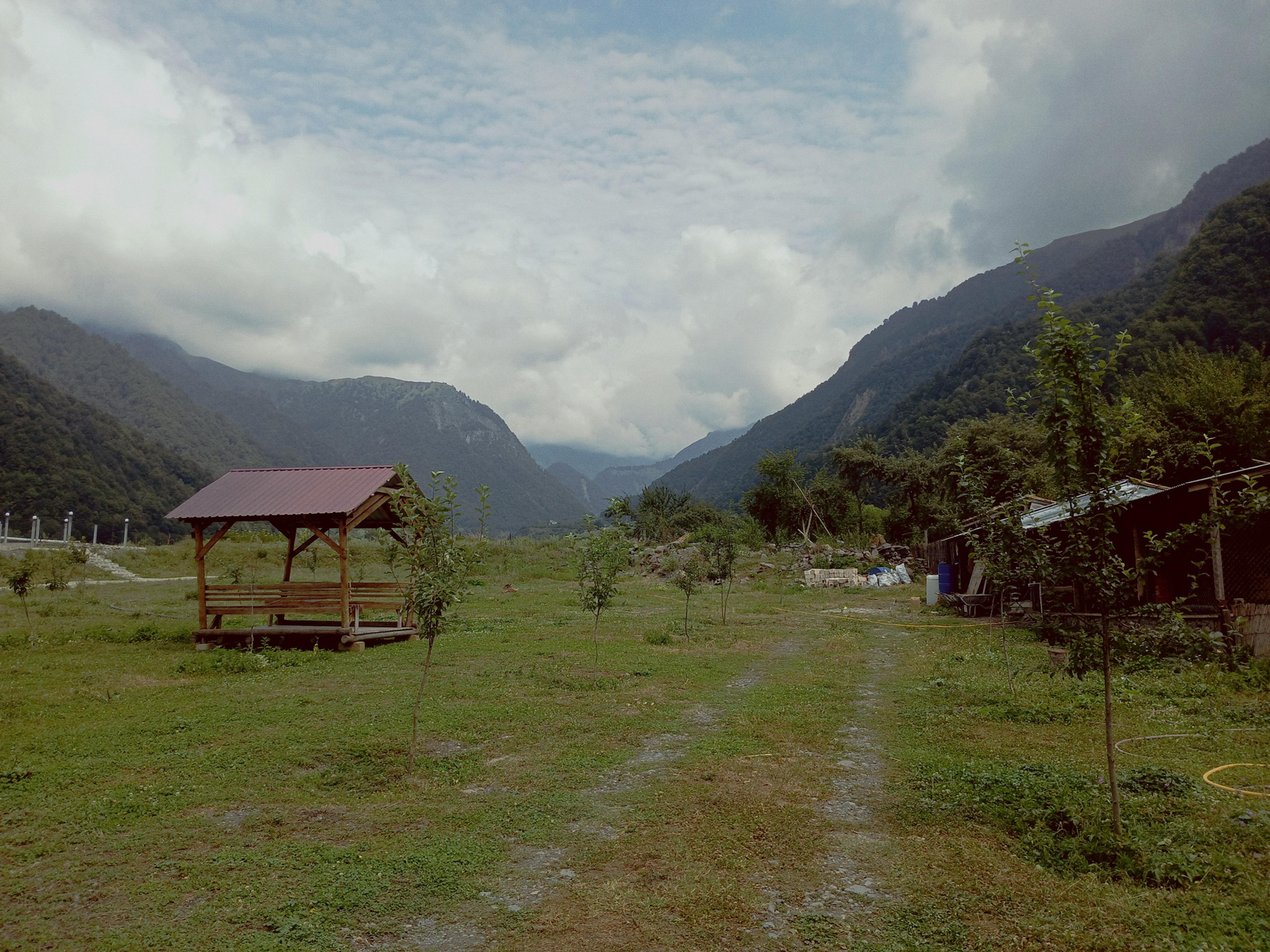
The mountains surrounding Qamarvan
·Stepan Sveshnikov
Like the viewer in Alaska, I couldn’t get enough of this cooking show. The fact that there’s no speaking, paired with the unfamiliar scenery, gives it a documentary feel. A lot of rural lifestyle content on social media has an air of inauthenticity about it. As in Cottagecore or Tradwifing, visions of a simple rural life often played by urbanites can feel like watching a model trying on ill-fitting clothing.
With Wilderness Cooking, viewers can indulge in a different kind of fantasy: the idea that the people on screen are real old timers, rooted in place, part of an unbroken tradition in a less developed part of the world. But eventually I had to wonder what really lay behind the whimsical shots. Was this a real village? Was it documentary, fiction, or something in between?
I wrote to the channel’s founder on Instagram, and soon, thanks to a Yale Global Food Fellowship, found myself traveling to the place where the content is made, in the foothills of the Caucasus mountains. The village, with stone houses clinging to the mountainside, is at the north end of the country, just miles from the Russian border, and a world away from the opulent skyscrapers of the coastal capital.
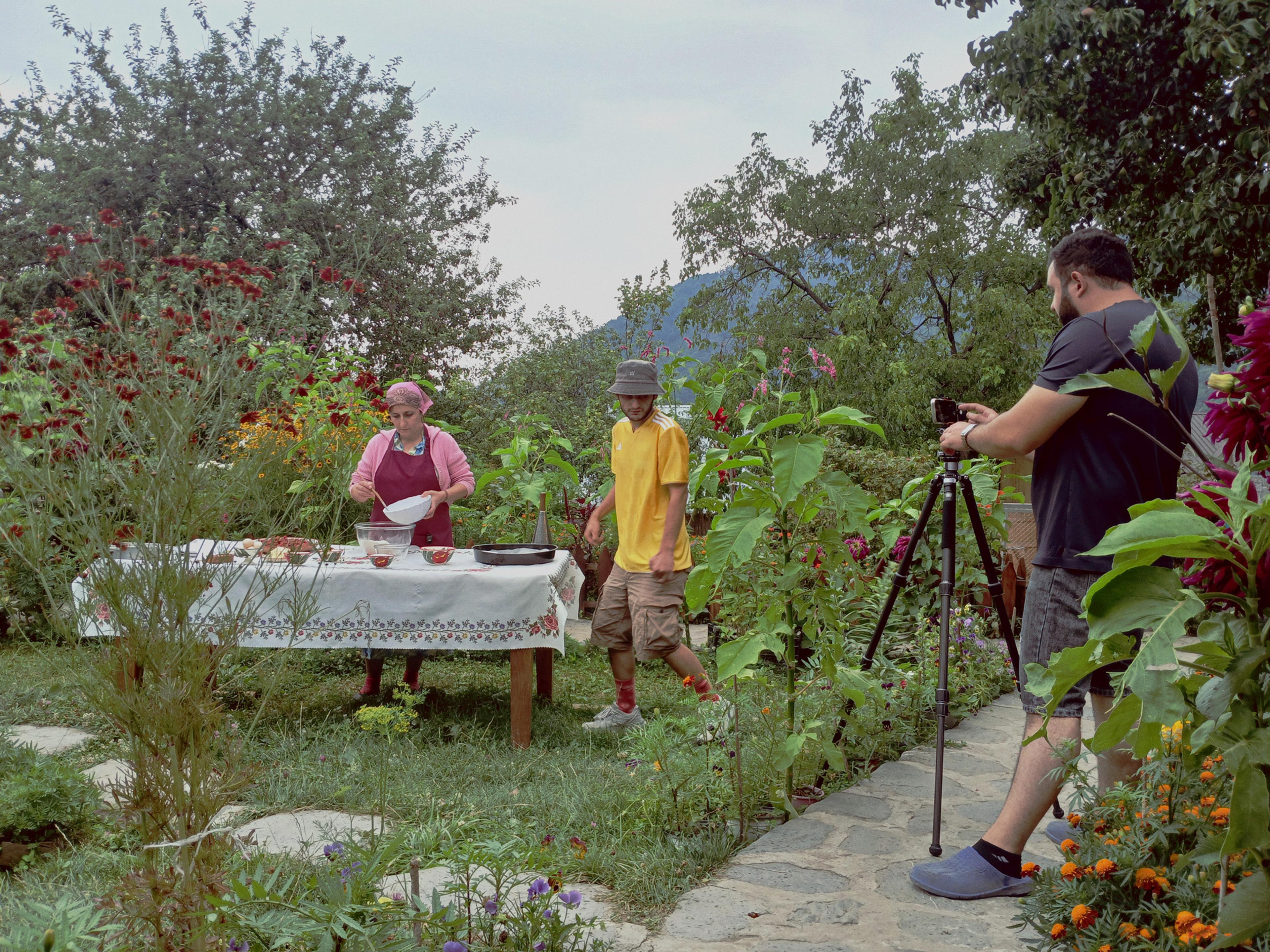
A shoot in progress
·Stepan Sveshnikov
After hours on desert roads in a rented Lada with struggling A/C, periodically swerving to dodge cows, I arrived at the mountains. Getting to Qamarvan itself took another several miles lurching in low gear up steep gravel roads along a roaring mountain river, following the film crew. My destination was a house with a large whitewashed porch and dusty courtyard filled with sheep and calves, a home that — for today at least — would double as the setting for the next Sweet Village cooking video. It normally functions as the summer home for the family that stars on the channel.
The broad appeal of outdoor cooking is clear, but what is less apparent is how our taste in online content drives change in the rural economy on the other side of the screen. I may have been the first American to visit in person, but this mountainous community draws millions of views from the United States. For fewer than 2,000 residents, 30 million subscribers across all channels is a massive audience.
On set, a grandmother peeled garlic from her garden while the grandkids tried their best to be quiet. Around the edges of the scene, millennials in branded t-shirts filmed with an iPhone on a tripod. Like with any cooking show, there was lots of starting and stopping.
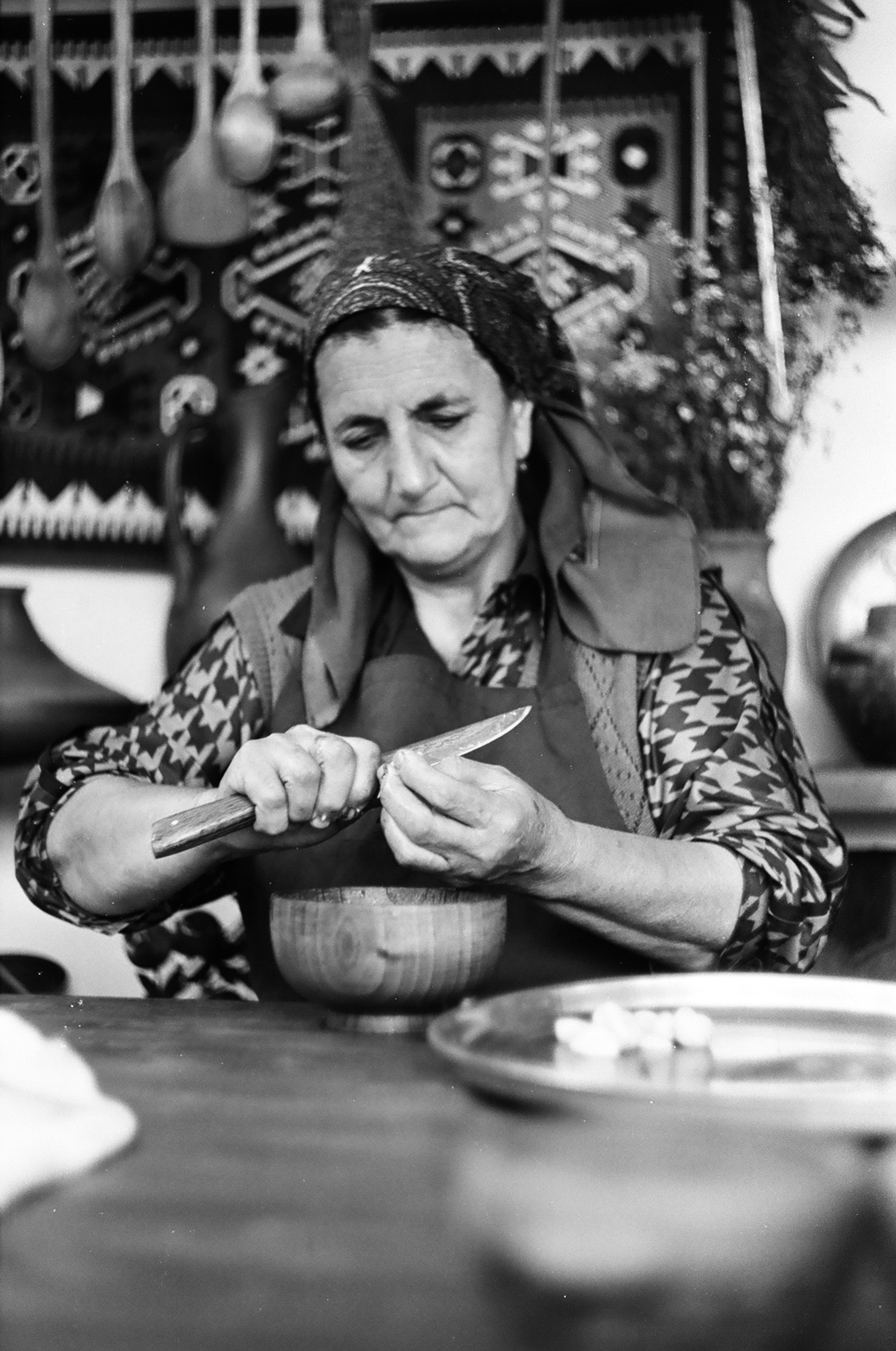
Cutting garlic on the Sweet Village channel
·Stepan Sveshnikov
Tomorrow most of the film crew would be back in a brightly lit office in the capital of Baku, sitting in cubicles and working on post-production, monetization, and content strategy. They’re employed by a small media empire called OkayTube, founded by entrepreneur Gadzhi Ziyadov, who spent a large part of his childhood in the village he’s made famous. Many of the faces on camera — like the old woman peeling garlic — are from Ziyadov’s extended family. All told, the company employs over 100 people, about half of them in the capital city.
It’s the ideal situation for a content creation company: Production costs are low, but having an American audience means that ad revenue stays high. The economic reality is that each view from the U.S. is more valuable than a view from, say, India. “As we know,” said Ziyadov, in a featured speech at the BUR Marketing Summit in Berlin, “the English-language audience — the American audience — is the most lucrative.” Merch like Acacia wood bowls and Damascus steel chef knives, sold in USD and prominently featured in reels and videos, helps convert loyal subscribers to paying customers. Indirectly, the U.S. (and other countries, too) have economic power to influence the content and style of videos from countries many of us can’t find on a map.
For intstance, the classic Azerbaijani meat dishes are lamb, but steak does better with American audiences, so there’s a whole beef playlist on the main page of the channel. “Americans like to see steak,” said Ziyadov. Similarly, the national drink of choice for Azeris is black tea, but one of the recent Instagram reels on the Sweet Village channel is captioned “Rustic Coffee-Infused Steaks Cooked in the Village!”
The ad dollar imbalance does more than influence local trends or introduce new flavors. YouTube views are also transforming the village economy in Qamarvan by providing a new type of employment opportunity. Paradoxically, the globalized digital economy may actually help keep young people in the village. Ziyadov said the channel tries to hire locally and teach young people video shooting skills. “Even if the director is from Baku, next to him there’s always a young guy from our village who’s learning the craft.”
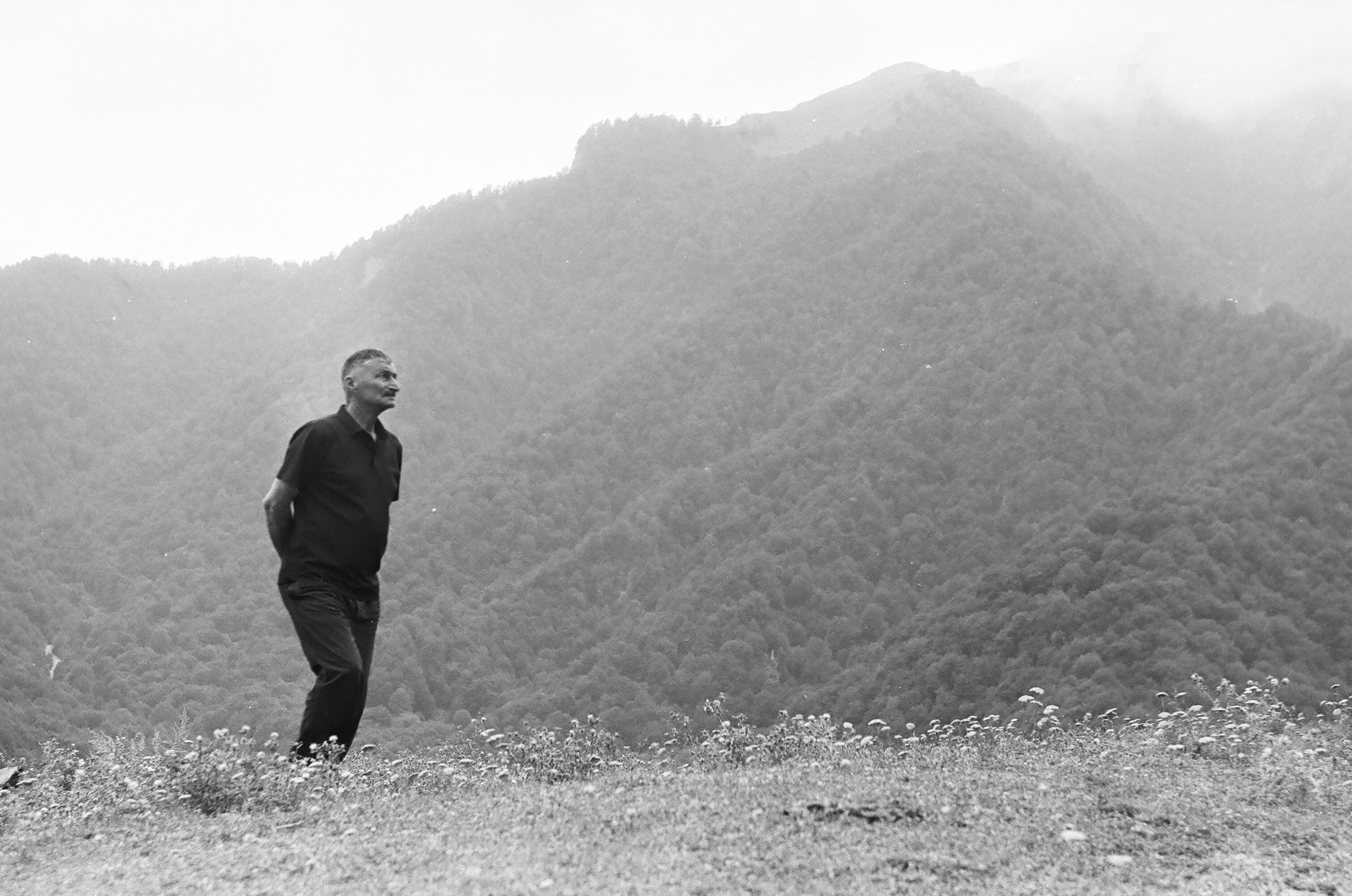
"To you, these mountains are breathtaking, because you’re seeing them for the first time. To me, they’re ordinary."
·Stepan Sveshinikov
Ziyadov doesn’t think YouTube has the power to reverse urbanization, or anything like that. But now, instead of heading to Baku to look for work, more young people have the chance to learn cinematography or set design right at home. Ziyadov states the obvious: “The more people stay in a village, the longer the village will survive.” The long-term effects of this relatively new digital economy (Wilderness Cooking premiered in 2020) remain to be seen. For now, most people in the village still make their living off a combination of sheep herding and tourism. The regular YouTube shoots bring another stream of income, and great entertainment for the local children, but they haven’t fundamentally changed the rhythm of rural life.
Back on the set of Sweet Village, the success of the approach was evident, but it was unclear how long it would last. One of the young men filming admitted that his dream was to go to Hollywood. Meanwhile, the grandfather, Malik, was getting restless. He wasn’t on camera that day, and the constant stopping and starting, along with the necessity to be silent — had him itching to get out. He asked if I wanted to get out above the village and see the mountains. Of course I did.
After 15 minutes up some roads I would never have braved on my own, we emerged into the open grazing land overlooking the village. As Malik spryly strode up the narrow sheep trails, despite being in his late 70s, I asked whether he found it strange that while many people in Qamarvan want to go to America, in America people were wishing they were here.
Malik’s face betrayed no emotion. “It’s normal,” he said. “Take these mountains, for instance. To you they’re breathtaking, because you’re seeing them for the first time. To me, they’re ordinary. It’s like that.”